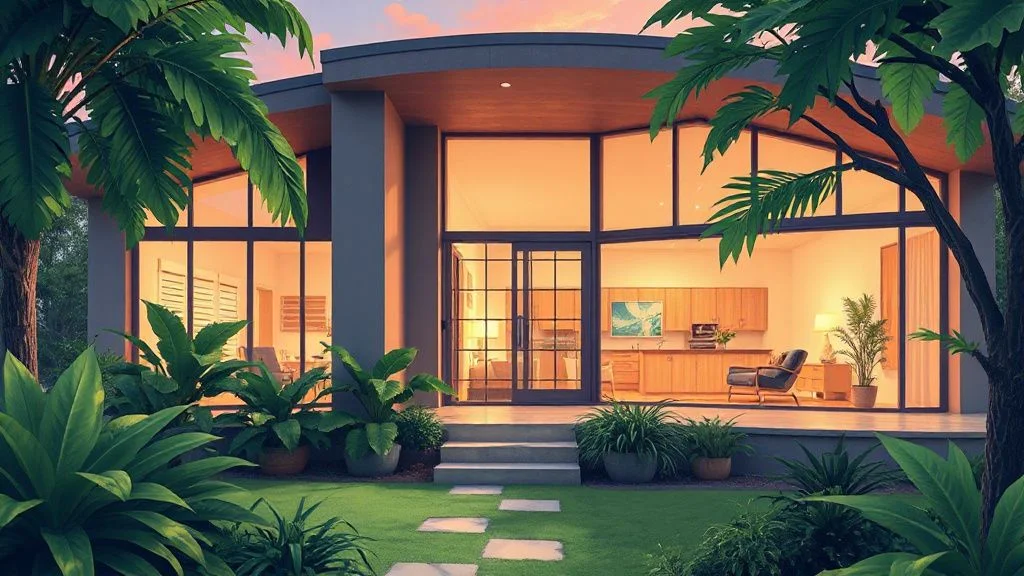
Living in Nigeria, particularly in cities like Lagos and Abuja, presents unique challenges when it comes to maintaining a comfortable home environment. The tropical climate can be quite hot and humid, making it essential to adopt effective design choices and daily habits to keep your house cool. This article will explore various strategies, from architectural features to lifestyle adjustments, that can help you create a more comfortable living space.
What can we help you with?
Three short questions, then just how to reach you. No account needed.
Understanding the Climate
Nigeria's climate is characterized by high temperatures, especially during the dry season. The humidity levels can also be quite high, particularly in coastal areas like Lagos. Understanding these climatic conditions is the first step in designing a home that remains cool and comfortable. For expatriates and returning Nigerians, adapting to this climate may require a shift in mindset and lifestyle.
Incorporating natural ventilation is one of the most effective strategies for cooling a home. This involves designing spaces that allow for cross-ventilation, where cool breezes can flow through the house. Positioning windows and doors strategically to align with prevailing winds can significantly reduce indoor temperatures. Many homes in coastal areas feature large windows that can provide a natural cooling effect.
Architectural Design Choices
Orientation and Layout
The orientation of your house plays a crucial role in how much heat it absorbs. Ideally, homes should be oriented to minimize direct sunlight exposure during the hottest parts of the day. This design choice can significantly lower indoor temperatures and reduce reliance on air conditioning.
Additionally, consider the layout of your home. Open floor plans can facilitate better airflow, allowing cooler air to circulate more freely. In contrast, closed-off rooms can trap heat, making them uncomfortable. Incorporating high ceilings can also help, as hot air rises, leaving cooler air at lower levels. Many expatriates find that homes with large, airy living spaces are much more comfortable during the sweltering months.
Material Selection
The materials used in construction can greatly influence how cool your home remains. Light-colored materials reflect sunlight, while dark colors absorb heat. Opting for lighter roofing materials, such as white or light grey tiles, can help keep your home cooler. Additionally, using insulated materials for walls can help maintain a stable indoor temperature. Many homes have adopted these practices, resulting in more comfortable living spaces.
Another effective material choice is the use of thermal mass materials, such as concrete or brick, which can absorb heat during the day and release it at night. This strategy can help moderate indoor temperatures, especially in areas with significant temperature fluctuations between day and night.
Cooling Technologies
Air Conditioning and Fans
While natural ventilation is ideal, many homes in Nigeria also rely on air conditioning systems to combat the heat. When choosing an air conditioning unit, consider energy-efficient models that can help reduce electricity costs. In Nigeria, where electricity supply can be unreliable, investing in a generator or inverter system is common. This ensures that your cooling systems remain operational even during power outages.
Ceiling fans are another excellent option for cooling. They can circulate air effectively and create a wind-chill effect, making the room feel cooler without significantly increasing energy costs. Many expatriates find that using fans in conjunction with air conditioning allows them to set their thermostats a few degrees higher, saving energy while still maintaining comfort.
Landscaping for Shade
Landscaping can also play a vital role in keeping your home cool. Planting trees and shrubs strategically around your property can provide shade and reduce heat absorption. Fast-growing trees can create a natural canopy that cools the surrounding area. This approach can enhance aesthetics while also improving comfort.
Additionally, consider using outdoor shading structures, such as pergolas or awnings, to block direct sunlight from hitting windows and doors. This can significantly reduce indoor temperatures and create pleasant outdoor living spaces.
Daily Habits to Maintain a Cool Home
Ventilation Techniques
Incorporating daily habits can further enhance your home's cooling efficiency. For instance, opening windows during the cooler hours of the morning and evening allows fresh air to circulate throughout the house. This practice can help reduce indoor temperatures before the heat of the day sets in. In contrast, closing windows and curtains during the hottest parts of the day can prevent heat from entering your home.
Using exhaust fans in kitchens and bathrooms can also help remove hot air and humidity, contributing to a cooler indoor environment. Many expatriates find that these small adjustments can make a significant difference in overall comfort levels.
Energy-Efficient Practices
Adopting energy-efficient practices can help keep your home cool while reducing electricity costs. Using energy-efficient light bulbs, such as LED lights, generates less heat compared to traditional incandescent bulbs. Additionally, unplugging devices when not in use can prevent unnecessary heat buildup. Many expatriates in Nigeria have found that being mindful of energy consumption not only helps maintain a cooler home but also contributes to lower utility bills.
Practical Tips for Expatriates
For expatriates relocating to Nigeria, adapting to the climate can be a challenge. Here are some practical tips to help you keep your home cool:
- Invest in quality window coverings, such as blackout curtains or reflective blinds, to block out heat during the day.
- Consider using a dehumidifier to reduce humidity levels, which can make the heat feel more oppressive.
- Familiarize yourself with local weather patterns to understand when to open and close windows for optimal ventilation.
- Engage with local communities or expatriate groups to share tips and experiences about maintaining a cool home.
Conclusion
Keeping your house cool in Nigeria requires a combination of thoughtful design choices and practical daily habits. By understanding the climate, making strategic architectural decisions, and adopting energy-efficient practices, you can create a comfortable living environment. Whether you are an expatriate or a returning Nigerian, these strategies will help you navigate the heat and enjoy your home to the fullest.
Last updated: October 2026