
This guide was synthesized using the latest legislative data and verified by our editorial board. Laws are subject to change; always consult official sources for final confirmation.
In Lagos, tap water quality is often unreliable due to pollution and inadequate infrastructure. Most residents prefer bottled or sachet water, which are seen as safer alternatives. Investing in a home water filtration system is also recommended for expatriates to ensure safe drinking water.
Nigeria's most populous city, Lagos, is a bustling metropolis filled with opportunities and challenges. One pressing issue that expatriates and returning Nigerians often grapple with is the quality of tap water. This article delves into the realities of drinking water in Lagos, exploring the sources, safety concerns, and what most people actually consume to stay hydrated.
Understanding Lagos' Water Supply
Where Does the Water Come From?
Lagos is primarily supplied with water from surface sources like the Ogun and Owo rivers. The Lagos Water Corporation claims it meets the highest standards for water quality. However, due to high population density and aging infrastructure, the distribution network often compromises this quality. The city's reliance on these natural water bodies, coupled with pollution from industrial activities and urban runoff, creates a complex scenario where tap water can be suspect.
In an attempt to treat the water, the Lagos Water Corporation operates treatment plants. Nonetheless, the reality is that many neighborhoods experience intermittent supply or none at all, leading residents to seek alternative sources for their drinking water.
The Problem with Tap Water Quality
The perception of water safety in Lagos is often clouded by visible cleanliness. Many residents believe that clear water is safe to drink. However, this assumption is misleading. Water quality testing reveals that what appears clean can harbor harmful bacteria and contaminants due to a lack of robust filtration and treatment processes.
As of our last update, many households in Lagos experience issues such as inadequate filtration, leading to concerns about waterborne diseases. High levels of chlorine and other chemical residues can also be present in treated water, which can pose health risks if consumed in the long term. This uncertainty has led many residents to avoid tap water altogether.
What Do People Actually Drink?
Bottled Water and Sachet Water
Due to the unreliability of tap water, bottled water has become a popular alternative for many residents. Various brands offer bottled water that is perceived as safe. However, it’s essential to note that not all bottled water is created equal; some brands may not adhere to strict quality controls, and there have been instances where bottled water has been found to be contaminated.
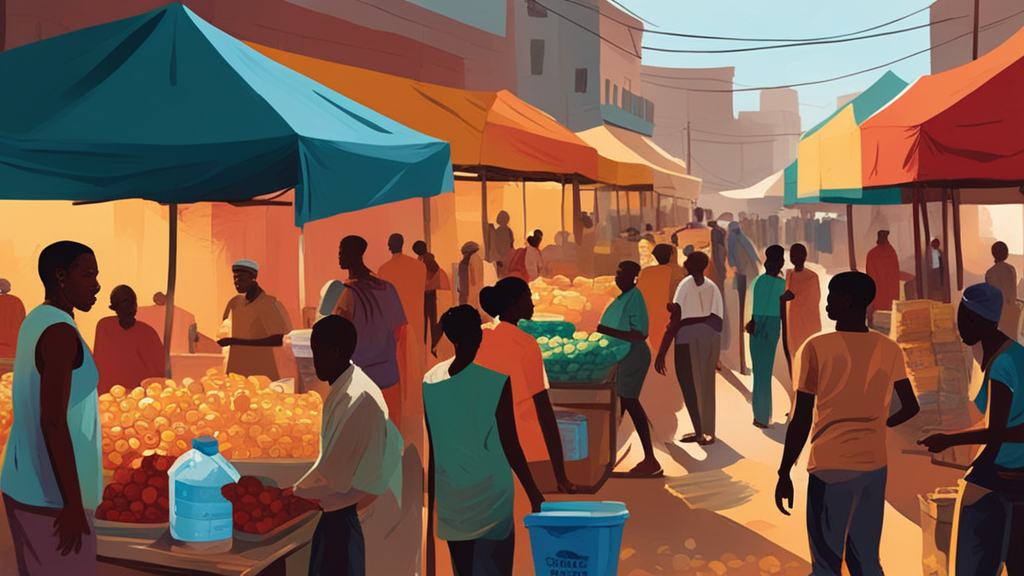
Sachet water, a convenient and often cheaper option, is widely sold by street vendors. These small bags of water are affordable, costing around ₦10 to ₦20 each (approximately $0.01 to $0.02 USD). While sachet water is popular, quality can vary significantly. Some vendors may not follow safe hygiene practices, which can lead to contamination. Therefore, it's crucial to buy from reputable vendors.
Water Filters and Purification Systems
For those living in Lagos who want to ensure the safety of their drinking water, investing in a home water filtration system can be a practical solution. Several options are available, ranging from simple carbon filters to more advanced reverse osmosis systems. These systems can remove contaminants and provide safe drinking water directly from the tap.
Purchasing a reliable water filter can range from ₦40,000 to ₦150,000 (approximately $30 to $113 USD), depending on the type and brand. Many expatriates find this investment worthwhile, especially when considering the health implications of consuming untreated water.
- Tap water in Lagos comes from surface sources like rivers but is often contaminated.
- Many residents avoid tap water due to health risks and rely on bottled or sachet water.
- Investing in a water filtration system is a practical solution for safe drinking water.
Daily Life and Water Access in Lagos
Household Water Needs
In Lagos, many families face daily challenges in securing adequate water supplies. In neighborhoods like Victoria Island and Lekki, where infrastructure is better developed, tap water may be more accessible, but even here, residents often supplement with bottled or sachet water.
In contrast, areas like Ajegunle and Makoko may have limited access to municipal water, forcing families to rely on boreholes or water vendors. Water from these sources can be unsafe, leading to increased health risks. It’s common for families to spend a significant portion of their budget on water, especially in these underserved areas.
Health Risks and Considerations
Concerns about water quality go beyond mere inconvenience. Unsafe drinking water can lead to severe health issues, including cholera and other waterborne diseases. In light of this, it’s advisable for expatriates to opt for bottled or filtered water, especially during their initial months in the city while they acclimatize.
Additionally, staying informed about local sanitation issues can help mitigate risks. For instance, during the rainy season, flooding can exacerbate contamination issues, making it even more crucial to rely on safe water sources.
Practical Tips for Expatriates
What Expats Should Know
- Invest in a Good Water Filter: Consider purchasing a reliable water filtration system to provide safe drinking water at home.
- Know Your Suppliers: Buy bottled and sachet water from reputable vendors. Look for certifications or labels indicating quality control.
- Stay Informed: Keep track of local news regarding water quality and health advisories, especially during rainy seasons.
- Practice Good Hygiene: Always wash your hands before handling food and after using the restroom to prevent illness related to contaminated water sources.
Community Resources
Many expatriate communities in Lagos have established networks and resources to share information about safe drinking water. Engaging with local forums or social media groups can provide insights into reliable vendors and filtration options. Additionally, local health organizations often offer workshops on water safety and general health tips that can be beneficial for newcomers.
Conclusion
Access to safe drinking water in Lagos is a significant concern that affects daily life for residents and expatriates alike. While the city has made strides in improving water quality, challenges remain due to infrastructure issues and population pressures. For expatriates, understanding these dynamics and adopting practical measures such as investing in filtration systems and sourcing water from reputable suppliers can help ensure better health outcomes. Ultimately, staying informed and vigilant is key to navigating life in this vibrant but complex city.
AI-Generated Content: This article was created with AI assistance and may contain inaccuracies. Please verify important information with official sources.
Primary Sources
Last updated: October 2026