
This guide was synthesized using the latest legislative data and verified by our editorial board. Laws are subject to change; always consult official sources for final confirmation.
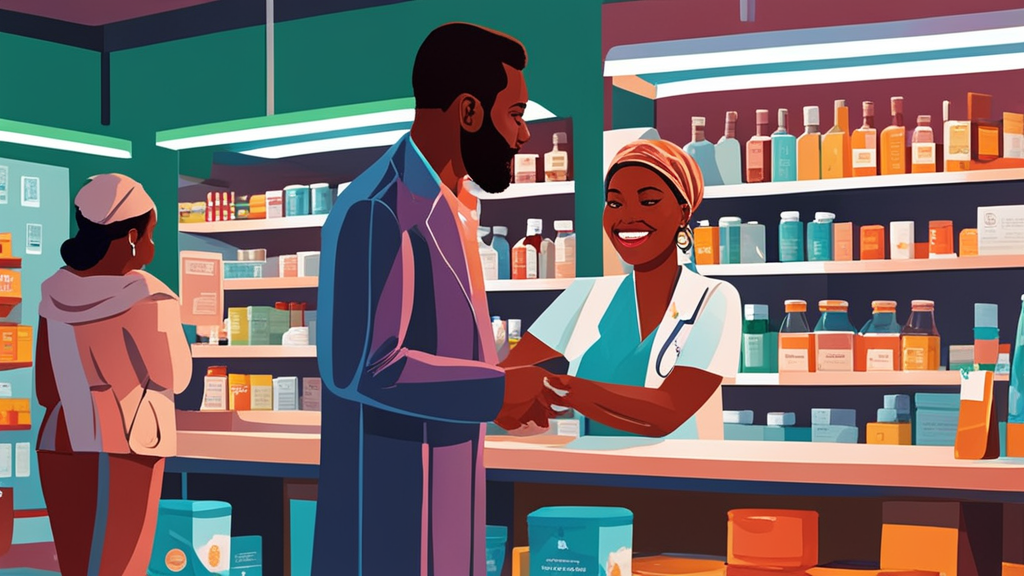
When relocating to Lagos, navigating the healthcare system can be daunting, especially for expatriates and returning Nigerians. Understanding where to find reliable pharmacies and 24-hour clinics is essential for ensuring you have access to medications and medical care whenever needed. This guide provides an overview of pharmacies and around-the-clock clinics in Lagos, including practical advice and insights into the local healthcare scene.
Understanding the Pharmacy Landscape in Lagos
Lagos boasts a variety of pharmacies ranging from local shops to well-established chains. Many pharmacies in the city operate under strict regulations from the Pharmacists Council of Nigeria (PCN) to ensure safety and reliability. These pharmacies typically stock a wide range of medications, including over-the-counter drugs, prescription medications, and health supplements.
For expatriates, finding a pharmacy that offers English-speaking staff can be beneficial. Larger pharmacies often cater to an international clientele and may employ English-speaking pharmacists. This can ease communication and help you navigate any health concerns more effectively.
Popular Pharmacy Chains
In Lagos, several pharmacy chains are recognized for their reliability and service quality. Some of these pharmacies offer additional services, such as health consultations and wellness checks. While specific names cannot be mentioned, look for pharmacies that advertise their services online or have a strong presence in popular shopping areas.
Many pharmacies also provide delivery services, which is particularly useful for those with busy schedules or mobility challenges. For example, some pharmacies in Lagos offer same-day delivery within specific districts, ensuring that you can receive essential medications quickly.
24-Hour Clinics: Access to Emergency Care
For emergencies or urgent medical care, 24-hour clinics in Lagos are a vital resource. These clinics provide round-the-clock services, including emergency care, general consultations, and specialist services. Many expats find these clinics particularly useful during late-night emergencies or when they require immediate medical attention.
One of the key advantages of 24-hour clinics is their accessibility. Located in various neighborhoods, these clinics are strategically placed to serve both residents and visitors. They often have a team of medical professionals available at all hours, equipped to handle a range of medical issues from minor injuries to more serious conditions.
What to Expect at a 24-Hour Clinic
Upon arrival at a 24-hour clinic, expect a streamlined process. Typically, you will be greeted by a triage nurse who will assess your condition and prioritize care based on urgency. Clinics are generally well-equipped with diagnostic tools, laboratory services, and a pharmacy on-site, allowing for quick treatment and dispensing of medications.
In terms of payment, many clinics accept international health insurance, but it's wise to verify in advance. If you're planning to pay out-of-pocket, understanding the cost structure can help you prepare. Generally, the cost of a visit to a 24-hour clinic can vary, so it's advisable to inquire directly about the fees associated with consultations and treatments.
Pharmacy Services Beyond Medications
In addition to dispensing medications, many pharmacies in Lagos offer additional healthcare services. These can include health screenings and wellness programs. Some pharmacies even provide consultations for chronic disease management, which can be invaluable for expats managing conditions such as diabetes or hypertension.
Furthermore, pharmacies often sell health-related products such as vitamins, supplements, and personal care items. This can be a convenient way to stock up on essential health products without needing to visit multiple stores.
Cultural Nuances in Healthcare
Understanding the cultural context of healthcare in Nigeria is critical for expats. The healthcare system can vary significantly from what you might be accustomed to in countries like the UK or the USA. For instance, while waiting times may be longer in public facilities, private clinics and pharmacies tend to offer more efficient service.
Moreover, be prepared for a different approach to healthcare. You may encounter pharmacists or clinic staff recommending various remedies or lifestyle changes as part of a holistic approach to health.
What Expats Should Know
As an expatriate in Lagos, here are some practical tips for navigating pharmacies and clinics:
- Keep essential medications handy: If you require specific medications, ensure to bring enough supplies for your first few weeks. It may take time to find a local pharmacy that carries your prescriptions.
- Learn basic medical terms: Familiarizing yourself with a few medical terms in English and local languages can help bridge communication gaps, especially in emergency situations.
- Utilize delivery services: Many pharmacies offer delivery options, which can be a lifesaver if you are unwell or busy. Don’t hesitate to inquire about these services.
- Ask for recommendations: Connect with other expatriates or locals who can provide recommendations for reliable pharmacies and clinics based on their experiences.
- Keep emergency contacts handy: Have the contact information for your preferred clinics and pharmacies saved on your phone for easy access.
Conclusion
Finding reliable pharmacies and 24-hour clinics in Lagos is crucial for expatriates and returning Nigerians alike. With a variety of options available, from large chains to local pharmacies, you can access the medications and healthcare services you need. Familiarizing yourself with the local healthcare landscape, understanding cultural nuances, and utilizing practical tips can significantly ease your transition into life in Lagos. With proper preparation, you can confidently navigate your healthcare needs in this vibrant city.
AI-Generated Content: This article was created with AI assistance and may contain inaccuracies. Please verify important information with official sources.
Primary Sources
Last updated: October 2026