Lagos, Nigeria's bustling commercial hub, is known for its vibrant culture and diversity. However, the city's rapid urbanization has also led to significant waste management challenges. For expatriates and returning Nigerians settling in Lagos, understanding the local household waste collection and recycling systems is crucial. This guide provides practical insights and actionable advice on navigating waste management in this vibrant city.
What can we help you with?
Three short questions, then just how to reach you. No account needed.
Understanding Waste Management in Lagos
In Lagos, the management of household waste falls under the purview of the Lagos State Waste Management Authority (LAWMA). This agency is responsible for implementing effective waste disposal and recycling initiatives throughout the city. Waste collection typically occurs weekly, but the frequency can vary based on the area and specific local government regulations.
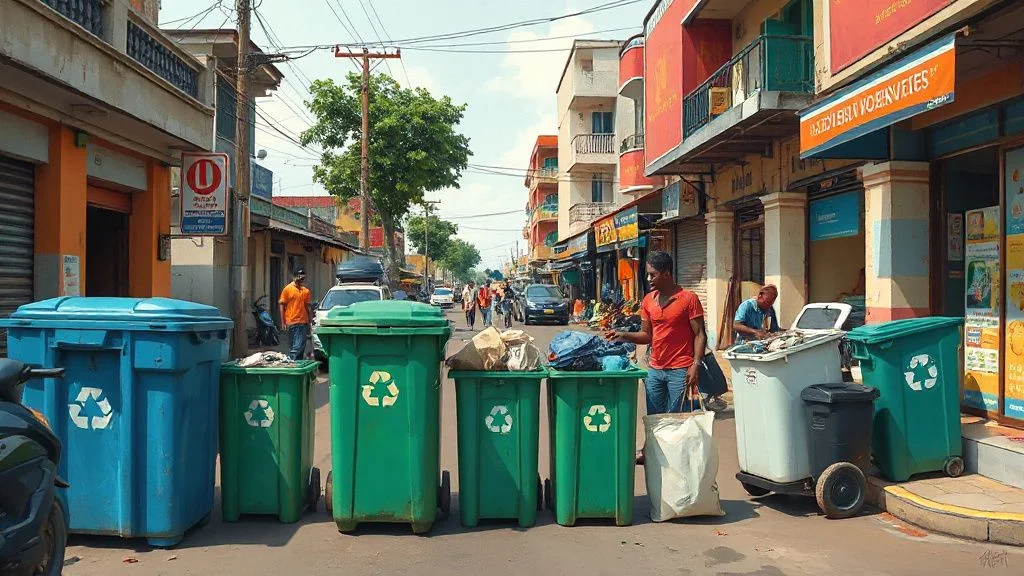
Household waste in Lagos consists of organic waste, recyclables, and non-recyclable materials. It is essential for residents to understand how to categorize their waste correctly to facilitate efficient collection and recycling. Organic waste, such as food scraps, can be composted, while recyclables like plastics, metals, and paper should be separated and placed in designated bins.
Household Waste Collection Services
Local governments and private companies provide waste collection services in Lagos. Residents typically rely on designated waste collectors assigned to their neighborhoods. It’s advisable for expatriates to check with their residential area for specific collection schedules and the authorized waste management service providers.
For instance, in neighborhoods like Victoria Island and Lekki, waste collection is relatively organized, with dedicated containers placed at strategic locations. Residents are encouraged to deposit their waste in these containers to ensure timely collection. In contrast, other areas may experience irregular collection, necessitating a proactive approach to waste disposal.
Scheduling and Fees
While municipal waste collection services are generally included in local taxes, some private waste management companies may charge additional fees for enhanced services, such as frequent pickups or specialized recycling programs. It's common for expatriates to find these services beneficial, especially when managing larger households or specific waste types like electronics.
To find out about service fees, contact your local government office or inquire with neighbors who may have experience with different waste collectors. They can provide insights into effective and reliable waste management options in your area.
Recycling Initiatives in Lagos
Lagos has made significant strides in promoting recycling, with various initiatives aimed at reducing landfill waste. Organizations such as the Waste Management Society of Nigeria and several local NGOs are actively involved in recycling campaigns, raising awareness, and providing resources for effective waste management.
One notable initiative is the WeCyclers program, which encourages households to collect recyclables and exchange them for rewards. This initiative not only helps reduce waste but also promotes community engagement and environmental responsibility. Participating households receive a recycling bin, which they can fill with items such as plastic bottles, cans, and paper.
Registered Recyclers
Several registered recyclers operate throughout Lagos, offering collection services for recyclable materials. For instance, Wecyclers is prominent in areas like Surulere, where they offer door-to-door collection of recyclables. Other notable recyclers include:
- RecyclePoints Limited in Festac
- Sweep Foundation in Obele Oniwala, Surulere
- Horlag Recycling in Epe
- Greenhill Dispose Recyclers in Oshodi
These organizations typically work with local communities to facilitate easy recycling and education on waste segregation. Expatriates can reach out to these recyclers for assistance in setting up recycling systems in their homes.
Challenges in Waste Management
Despite the advancements in waste management and recycling, Lagos faces several challenges. Poor infrastructure, inconsistent service delivery, and public awareness issues contribute to ongoing waste management difficulties. For example, in densely populated areas, waste collection may be sporadic, leading to litter and waste accumulation in streets and public spaces.
Moreover, cultural attitudes towards waste disposal can differ significantly. Some residents may lack awareness of recycling practices or the importance of proper waste segregation. Expatriates may find it beneficial to engage with local communities to promote sustainable waste practices, fostering a collaborative approach to waste management.
Community Involvement
Getting involved in community clean-up initiatives or local recycling programs can significantly impact your neighborhood. These events often attract volunteers from various backgrounds, providing a fantastic opportunity to meet locals and fellow expatriates while contributing to the community's overall cleanliness and sustainability.
Practical Tips for Expatriates
As an expatriate in Lagos, adapting to the local waste management system can be challenging but also rewarding. Here are some practical tips to help you manage household waste effectively:
- Educate Yourself: Familiarize yourself with the types of waste generated in your household and how to categorize them properly. This knowledge will help you engage effectively with local waste collectors.
- Establish a Waste Routine: Set a schedule for waste collection and ensure your family follows it. This routine will help minimize overflow and keep your surroundings tidy.
- Utilize Recycling Bins: Invest in separate bins for recyclables and non-recyclables to streamline the waste segregation process.
- Join Local Recycling Programs: Participate in community recycling initiatives or programs offered by local recyclers. Engaging with these programs can facilitate better waste management and create a sense of community.
- Advocate for Change: Encourage friends and neighbors to adopt sustainable waste practices. You can organize workshops or informational sessions to raise awareness about recycling and waste management.
Conclusion
Household waste collection and recycling in Lagos present both challenges and opportunities for expatriates and returning Nigerians. By understanding the local waste management system, actively participating in recycling initiatives, and fostering community engagement, residents can contribute to a cleaner, more sustainable Lagos. Adopting effective waste management practices not only benefits the community but also enhances the overall living experience in this dynamic city.