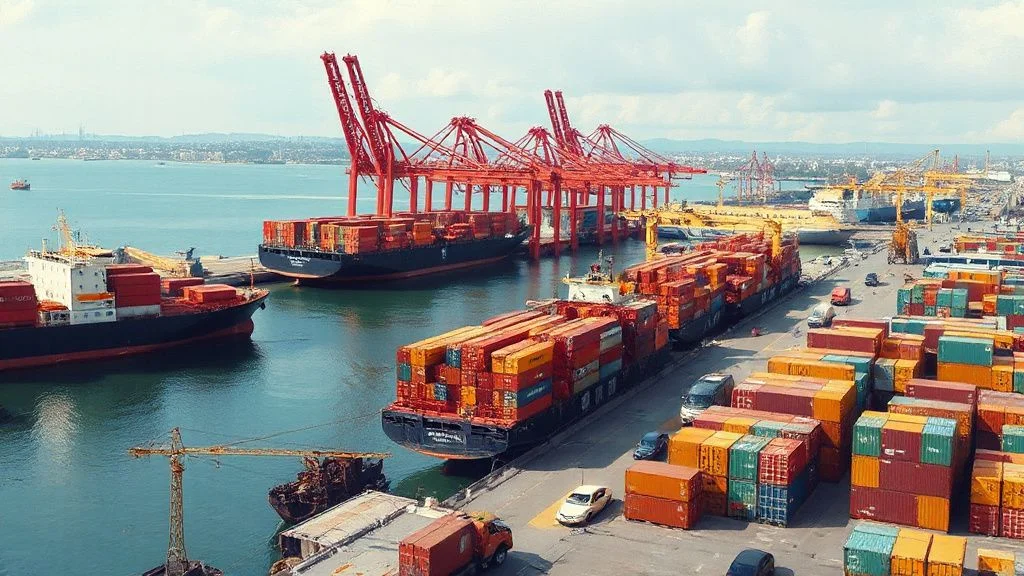
For expatriates and returning Nigerians engaged in international shipping, Apapa Port represents a crucial gateway for goods entering Nigeria. Understanding the implications of this seaport on your cargo is essential for effective logistics and supply chain management. This article delves into Apapa Port's operations, challenges, and what these mean for your shipments, whether you're moving personal belongings or commercial goods.
What can we help you with?
Three short questions, then just how to reach you. No account needed.
The Role of Apapa Port in Nigeria's Economy
Apapa Port, situated in Lagos, is Nigeria's largest and busiest seaport, handling a significant portion of the nation's import and export activities. Established in the early 20th century, it has evolved to become a critical hub for various types of cargo, including general goods, containers, and bulk items. The port complex is equipped with modern facilities but is often plagued by congestion—an issue that can directly affect your shipping timeline.
This port operates with several terminals, each designed to handle specific types of cargo. For instance, containerized freight typically arrives at the main container terminal, while bulk items might be directed to specialized terminals. Understanding which terminal your goods will arrive at can help you plan accordingly, especially regarding the logistics of moving your cargo from the port to its final destination.
What to Expect When Shipping to Apapa Port
When your goods are shipped to Apapa Port, there are several stages to consider. First, cargo arrives at the port where it undergoes customs inspection and clearance. This process can vary in duration, heavily influenced by the volume of cargo being processed at any given time. During peak periods, delays can be significant, with reports of cargo waiting for up to nine days before being discharged. For international professionals, this can lead to unforeseen costs, including demurrage fees, which accrue for every day a container remains at the port beyond the agreed-upon free period.
Once cleared, your cargo must be transported from the port. The road network connected to Apapa can be congested, particularly during rush hours, which can add additional time and expense to your logistics plan. It is advisable to coordinate with reliable local transport companies that understand the nuances of navigating Lagos traffic. This foresight can save you time and reduce the risk of damage or loss during transit.
Understanding Port Congestion and Its Implications
Port congestion at Apapa is a well-documented issue that can severely impact shipping schedules. According to various reports, the average turnaround time for vessels can be extended due to heavy traffic both on sea and land. This congestion is exacerbated during peak shipping seasons, such as holidays, when demand for imports surges. For expats shipping goods, it is crucial to factor in these delays when planning your shipping schedule.
Moreover, the condition of your cargo upon arrival can be influenced by the state of the port. For sensitive items, such as electronics or perishable goods, it is advisable to discuss with your logistics provider about temperature-controlled shipping options or enhanced packaging solutions that can mitigate the risks associated with delays.
Customs Clearance: What You Need to Know
Customs clearance is another vital aspect of shipping through Apapa Port. The Nigerian Customs Service requires various documentation, including a Bill of Lading, commercial invoice, and packing list. Ensure that all paperwork is in order before your shipment arrives to minimize delays. Engaging a reputable customs broker can assist in navigating the complexities of Nigerian customs regulations, which can be particularly beneficial for expatriates unfamiliar with the local processes.
In addition to paperwork, be prepared for inspections. Customs officials may randomly select shipments for examination, which can add time to your clearance process. Being proactive by keeping all necessary documents readily available can streamline this stage and prevent unnecessary delays.
Practical Tips for Shipping Through Apapa Port
1. Plan Ahead
Given the potential for delays, it is advisable to plan your shipments well in advance. This includes not only scheduling your shipping dates but also considering the time required for customs clearance and local transport. A buffer period of at least a week is often recommended to accommodate any unforeseen delays.
2. Choose the Right Logistics Partner
Selecting a logistics partner familiar with Apapa Port's dynamics can significantly impact your shipping experience. Look for providers with a proven track record in managing cargo through Apapa and who can provide insights on navigating congestion and customs efficiently.
3. Utilize Technology
Many logistics companies now offer tracking services that allow you to monitor your shipment's status in real-time. Utilizing these services can provide peace of mind and help you plan for the next steps as your cargo moves through the port.
4. Understand Local Transport Options
Once your goods are cleared, consider the various local transport options available. Engaging a reliable truck service that operates within Lagos can help facilitate smoother movement from the port to your new location. Be sure to verify their safety records and customer reviews.
Conclusion
Shipping goods through Apapa Port requires careful planning and awareness of the port's operational realities. By understanding the complexities of customs clearance, congestion, and local logistics, expatriates and returning Nigerians can mitigate challenges and ensure a smoother shipping experience. Remember to engage reputable logistics partners, plan ahead, and utilize available technology for tracking your shipments. With these strategies in place, your transition to or within Nigeria can be significantly more manageable.
Primary Sources
Last updated: October 2026