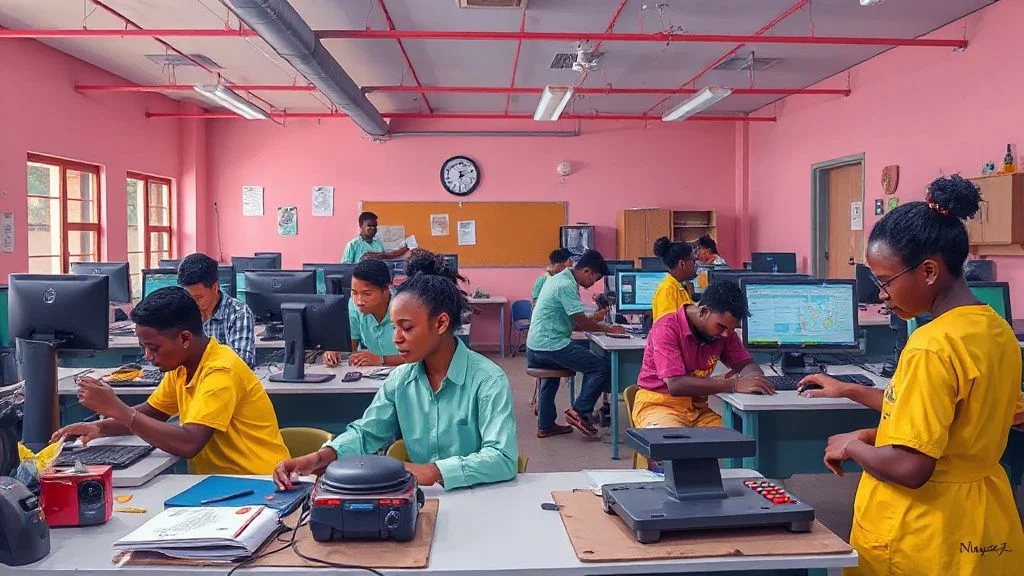
Technical colleges in Nigeria play a crucial role in shaping the future of students by providing vocational and technical education tailored to meet the needs of the labor market. These institutions offer various programs that equip students with practical skills, enhancing their employability and enabling them to contribute effectively to the economy. This article explores the offerings of technical colleges in Nigeria, the significance of technical education, and insights for expatriates considering educational pathways in the country.
What can we help you with?
Three short questions, then just how to reach you. No account needed.
Understanding Technical Education in Nigeria
Technical education in Nigeria primarily focuses on practical skills and knowledge that prepare students for specific trades or professions. It encompasses fields such as engineering, agriculture, health sciences, and information technology. The aim is to provide students with hands-on experience through workshops, laboratories, and industrial training, ensuring they are job-ready upon graduation.
As of recent reports, Nigeria has a significant number of technical colleges spread across various states, including Lagos, Abuja, and other regions. These colleges offer programs that typically last between two to three years, culminating in the acquisition of certificates like the National Technical Certificate (NTC) or the National Business Certificate (NBC), which are recognized nationally and internationally.
Programs Offered at Technical Colleges
Engineering and Technology
One of the most sought-after programs in Nigerian technical colleges is engineering and technology. This includes disciplines such as mechanical, electrical, civil, and electronic engineering. Students engage in both theoretical and practical learning, often using modern equipment to gain firsthand experience. For instance, colleges like the Federal Science and Technical College in Yaba, Lagos, are known for their commitment to providing quality education in these fields.
Students can expect to learn about design principles, manufacturing processes, and the application of technology in solving real-world problems. Graduates often find opportunities in construction companies, manufacturing firms, and tech startups, making this a lucrative pathway.
Information Technology
With the global surge in technology-driven jobs, technical colleges in Nigeria offer specialized IT programs. These programs cover areas like software development, networking, cybersecurity, and database management. Colleges often partner with tech companies to provide internships, which not only enhance learning but also increase job placement rates for graduates.
Many institutions emphasize practical IT skills, preparing students for various certifications. This hands-on approach ensures that students are not just theoretically knowledgeable but also adept at using current technologies, making them highly competitive in the job market.
Health Sciences
Technical colleges also offer programs in health sciences, including nursing, laboratory technology, and environmental health. These programs are vital for addressing the healthcare needs of Nigeria, especially as the country continues to face various health challenges. Students typically undergo rigorous training that includes both classroom education and clinical practice.
Institutions provide comprehensive health science programs, often collaborating with local healthcare facilities for practical exposure. Graduates from these programs are equipped to work in hospitals, clinics, and public health sectors, making significant contributions to community health.
Agricultural and Environmental Studies
Considering Nigeria's vast agricultural landscape, technical colleges offer programs in agriculture and environmental management. Students learn about modern farming techniques, agro-economics, and sustainable practices. This educational focus not only prepares students for careers in agriculture but also promotes food security and sustainability in the country.
Many agricultural colleges have specialized programs that include hands-on training in crop production, animal husbandry, and agribusiness. Such training equips students with the skills necessary to thrive in the agricultural sector, which is a significant part of Nigeria's economy.
Benefits of Attending Technical Colleges
Choosing a technical college offers numerous benefits to students, particularly in a rapidly evolving job market. Firstly, the hands-on approach to learning ensures that students graduate with practical skills that are in high demand. Many employers in Nigeria prefer candidates with vocational training and real-world experience over those with strictly academic qualifications.
Moreover, technical colleges often have strong ties with local industries, facilitating internships and job placements for students. This connection enhances students' employability and provides them with networking opportunities that can lead to fruitful careers.
What Expats Should Know
For expatriates considering technical education in Nigeria, several factors should be taken into account. Firstly, the language of instruction in most technical colleges is English, which eases the transition for international students. However, understanding the local culture and nuances can significantly enhance the educational experience. Engaging with local students and faculty can provide valuable insights into the Nigerian job market and industry standards.
Additionally, it is advisable to explore colleges with good reputations and proven track records of student success. Researching alumni outcomes can offer a clearer picture of what to expect post-graduation. Many institutions also provide counseling services for international students, helping them navigate the educational system and adapt to life in Nigeria.
Practical Tips for Navigating Technical College Life
- Visit Campuses: Before enrolling, visit several technical colleges to assess facilities, programs, and campus life. This firsthand experience can help in making an informed decision.
- Connect with Alumni: Reach out to former students to understand their experiences and career paths post-graduation. Platforms like LinkedIn can be useful for this.
- Engage in Extracurricular Activities: Participating in clubs and societies can enhance your social network, providing opportunities for personal growth and skill development.
- Understand Local Culture: Familiarize yourself with Nigerian culture and customs, which can enhance your interaction with local students and staff.
- Plan Finances: The cost of living varies significantly across Nigeria. In cities like Lagos and Abuja, be prepared for higher living expenses compared to other regions.
Conclusion
Technical colleges in Nigeria offer a wealth of opportunities for students seeking to acquire practical skills and knowledge that are essential in today’s job market. With programs in engineering, IT, health sciences, and agriculture, these institutions provide students with the tools necessary for successful careers. For expatriates, understanding the local educational landscape and engaging with the community can enhance the learning experience and lead to rewarding career opportunities. As the demand for skilled labor continues to grow, technical education remains a vital pathway for both local and international students in Nigeria.