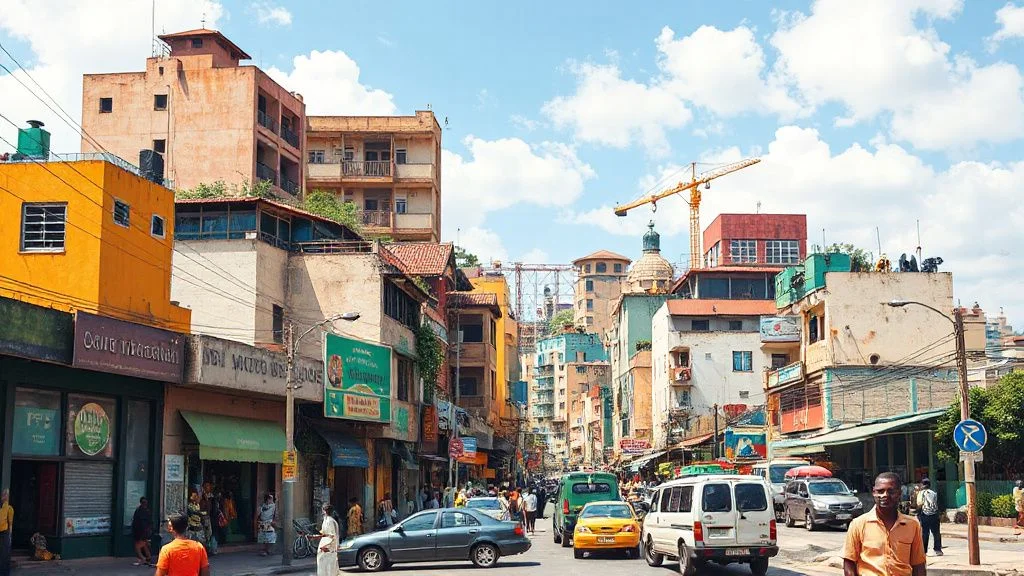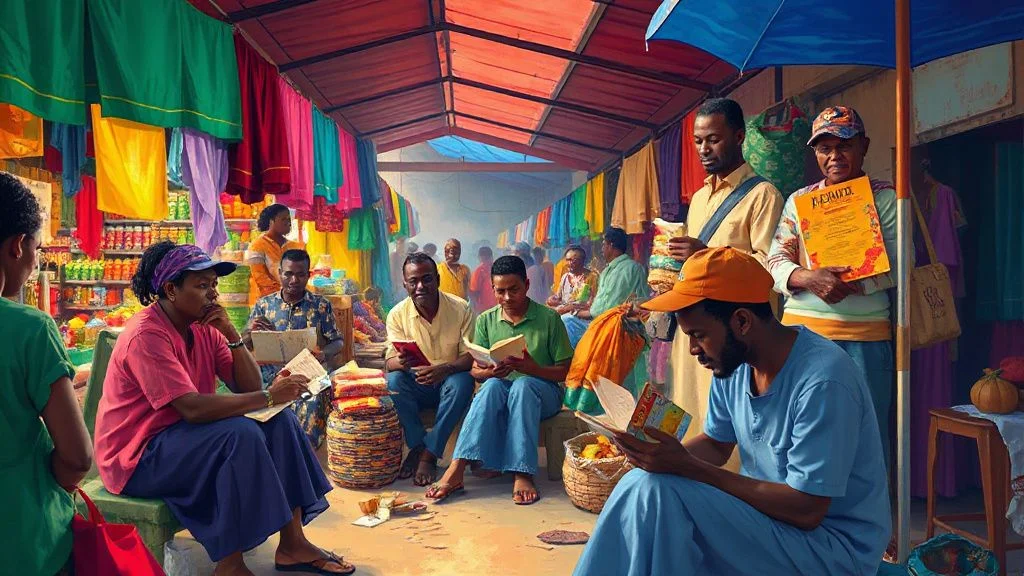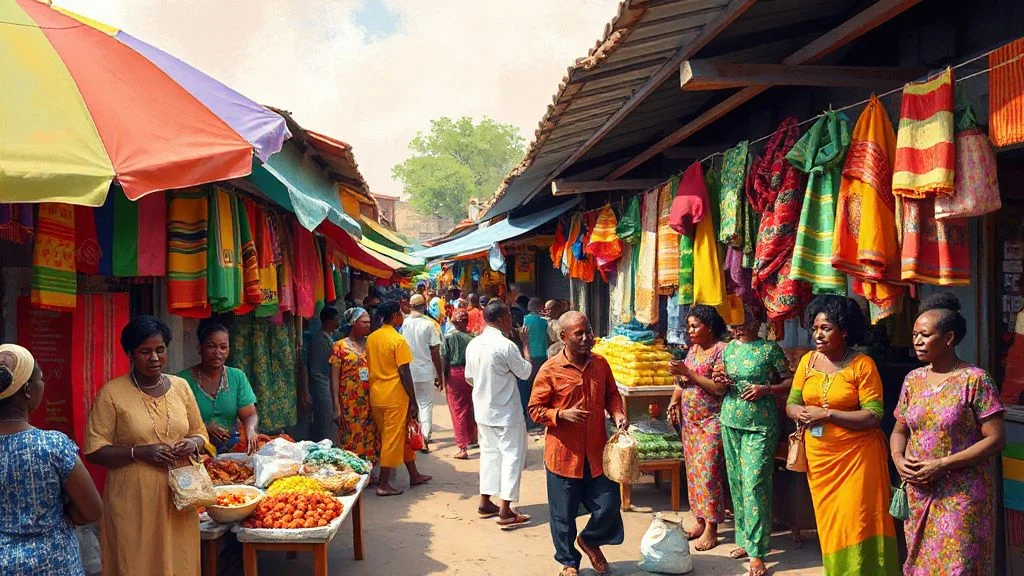
Nigeria is a vibrant and diverse country, characterized by a multitude of cultures, languages, and traditions. For expatriates relocating to Nigeria, particularly in cities like Lagos and Abuja, understanding the local attitudes towards foreigners is crucial for successful integration. This article delves into the complexities of Nigerian attitudes towards expatriates, the realities of cultural integration, and practical advice for navigating social interactions.
What can we help you with?
Three short questions, then just how to reach you. No account needed.
Nigerian Attitudes Towards Foreigners
Generally, Nigerians are known for their hospitality and warmth towards foreigners. This welcoming attitude is deeply rooted in the country's cultural values, which emphasize community and interpersonal relationships. Many Nigerians view foreigners as potential friends and allies, often eager to learn about different cultures and share their own. This openness can be particularly evident in urban areas like Lagos, where the influx of expatriates has created a multicultural environment.
However, attitudes can vary significantly based on individual experiences, socio-economic status, and regional differences. In some cases, there may be skepticism or resentment towards foreigners, particularly in areas where local resources are perceived to be limited. This sentiment can stem from economic disparities, as some Nigerians may feel that expatriates have better access to opportunities and wealth. Understanding these nuances is essential for expatriates to navigate social dynamics effectively.
Historical Context
The historical relationship between Nigeria and foreign nations has shaped current attitudes. Since gaining independence, there has been a complex interplay between nationalism and globalization. While many Nigerians embrace foreign investment and partnerships, there is also a strong sense of pride in local culture and identity. This duality can influence how expatriates are perceived, with some Nigerians celebrating foreign presence while others may feel protective of their cultural heritage.
Regional Variations
Attitudes towards foreigners can also vary by region. In cosmopolitan cities like Lagos and Abuja, where expatriates are more common, locals may be more accustomed to interacting with foreigners. In contrast, in rural areas or smaller towns, foreign presence may be less familiar, leading to curiosity or caution. Understanding these regional differences can help expatriates tailor their approach to social interactions, ensuring they are respectful and aware of local customs.
Integration Challenges for Expatriates
While many Nigerians are welcoming, expatriates may still face challenges when integrating into local communities. Language barriers can be a significant hurdle, as Nigeria is home to a rich tapestry of languages. Although many Nigerians speak English fluently, local dialects and informal variations are commonly used in everyday conversations. Expatriates who make an effort to learn basic phrases in local languages can foster goodwill and demonstrate respect for local culture.
Another challenge is navigating social norms and etiquette. Nigerian culture places a strong emphasis on respect, particularly towards elders and authority figures. Expatriates should be mindful of local customs, such as greetings, which often involve a handshake or a nod, and may vary based on the region. Understanding these social cues can help expatriates build rapport and avoid misunderstandings.
Common Misunderstandings
Misunderstandings can arise from cultural differences. For example, communication styles may differ; expatriates accustomed to more indirect styles might find local communication to be more straightforward. Additionally, the concept of time may differ; while punctuality is valued in many Western cultures, there can be a more flexible approach to time in Nigeria. Expatriates should be patient and adaptable, recognizing that flexibility is a part of the cultural fabric.
Building Relationships
To foster positive relationships, expatriates should engage in community activities and local events. Participating in cultural festivals provides opportunities to connect with locals and learn about cultural traditions. These events often feature music, dance, and food, allowing expatriates to immerse themselves in the vibrant Nigerian culture.
Practical Tips for Successful Integration
Successful integration into Nigerian society requires effort and openness. Here are some practical tips for expatriates:
- Learn Local Languages: Familiarize yourself with basic phrases in local languages. This effort can break down barriers and show respect for the local culture.
- Participate in Community Events: Attend local festivals, markets, and cultural events to meet people and experience Nigerian traditions firsthand.
- Be Respectful of Local Customs: Understand and adhere to social norms, such as greetings and dining etiquette. This respect can foster goodwill and positive interactions.
- Network with Other Expatriates: Connect with expatriate communities in Nigeria. They can provide valuable insights and support as you navigate your new environment.
- Stay Open-Minded: Approach interactions with curiosity and openness. Embrace the differences and learn from the diverse perspectives you encounter.
Conclusion
Nigerians are generally welcoming towards foreigners, but understanding the complexities of local attitudes and cultural integration is essential for expatriates. By being respectful, open-minded, and proactive in building relationships, expatriates can navigate the social landscape of Nigeria successfully. Engaging with the local community, learning about cultural practices, and adapting to social norms will enhance the experience of living in this dynamic country. Ultimately, fostering mutual respect and understanding can lead to enriching experiences for both expatriates and Nigerians alike.
Last updated: October 2026