Power cuts are a common and frustrating reality for many households in Nigeria, particularly in urban areas like Lagos and Abuja. As international professionals and returning-diaspora Nigerians navigate their lives in this vibrant country, understanding how locals adapt to these challenges can provide invaluable insights. This article will outline practical strategies households employ to cope with power outages, from using backup generators to altering daily routines.
What can we help you with?
Three short questions, then just how to reach you. No account needed.
Understanding the Frequency of Power Cuts
Nigeria's electricity supply is notoriously unreliable. With a large portion of the population relying on the national grid, power outages can occur unexpectedly and without warning. Recent reports suggest that around 84% of urban households depend on alternative power sources due to the frequent power cuts, which can happen multiple times a day and last for hours or even days. Understanding this background is crucial for expatriates who might find this situation challenging compared to reliable power supplies in their home countries.
In cities like Lagos, where the demand for electricity is high, the gap between supply and demand often leads to significant power shortages. The national grid's insufficient capacity to meet the needs of a growing population forces many households to develop creative solutions for maintaining their quality of life amidst these challenges.
Backup Generators: A Common Solution
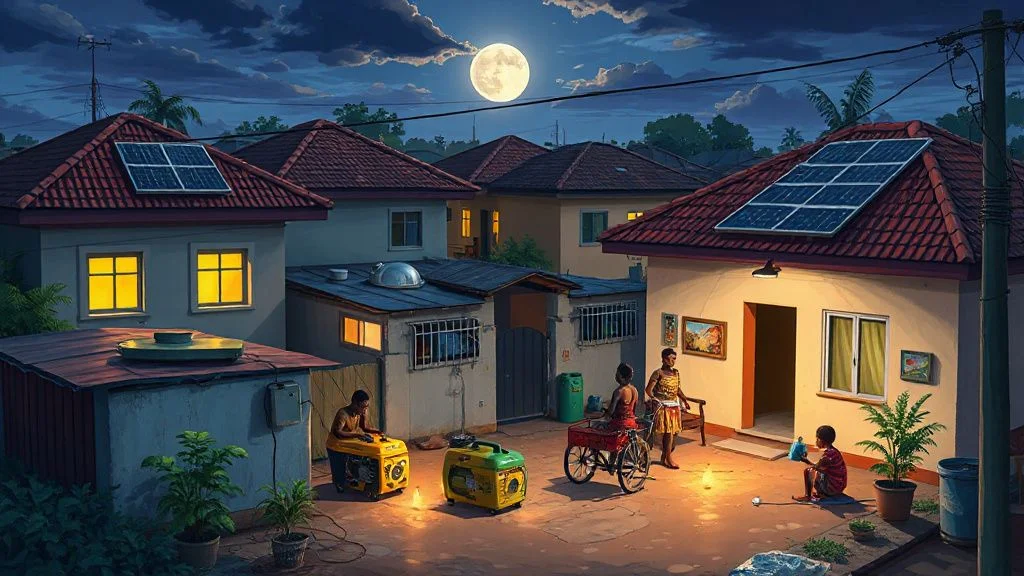
One of the most popular solutions for coping with power cuts in Nigeria is the use of backup generators. Many households invest in diesel or petrol-powered generators to ensure a continuous power supply. These generators can range from small portable units to larger, more powerful machines capable of running an entire household. The initial cost can be significant, but for many families, the peace of mind and convenience they provide makes them worthwhile.
When using generators, households typically face additional considerations such as fuel costs, noise levels, and emissions. Fuel prices fluctuate, and with the current exchange rate (1 USD = 1334.7233 NGN), budgeting for fuel becomes essential. For example, if a household spends 10,000 NGN on fuel per week, that equates to approximately $7.49 per week, which is a considerable expense in the context of a Nigerian household budget.
Choosing the Right Generator
When selecting a generator, households often consider their power needs, budget, and noise level. Smaller generators may suffice for basic appliances, while larger units are necessary for air conditioning units or multiple devices. Expatriates should connect with local suppliers or technicians to understand the best options available in their specific neighborhoods, as well as maintenance requirements.
Solar Power: A Sustainable Alternative
As concerns about fuel costs and environmental impact grow, an increasing number of Nigerian households are turning to solar power as a viable alternative. Solar panels can be installed on rooftops, allowing families to harness the sun's energy and store it for use during power cuts. This transition is not only eco-friendly but can also reduce long-term energy costs significantly.
The initial investment in solar technology can be high, but with the decreasing costs of solar panels and battery storage systems, many families find it to be a smart choice. Additionally, several local companies offer financing plans to help families spread out the costs, making solar energy a more accessible option.
How to Install Solar Panels
Installing solar panels typically requires consultation with local solar energy providers. Expatriates should seek out reputable companies that have a strong track record in the region. It’s advisable to compare quotes and ask for references to ensure quality service. Once installed, solar panels can provide a reliable energy source, reducing dependency on the grid and generators.
Adjusting Daily Routines
In addition to investing in alternative energy sources, many Nigerian households adapt their daily routines to cope with power cuts. For instance, families may plan their cooking, laundry, and other energy-intensive tasks during the times when electricity is available. This practice is not only practical but also fosters a sense of community, as neighbors often share resources and support each other during outages.
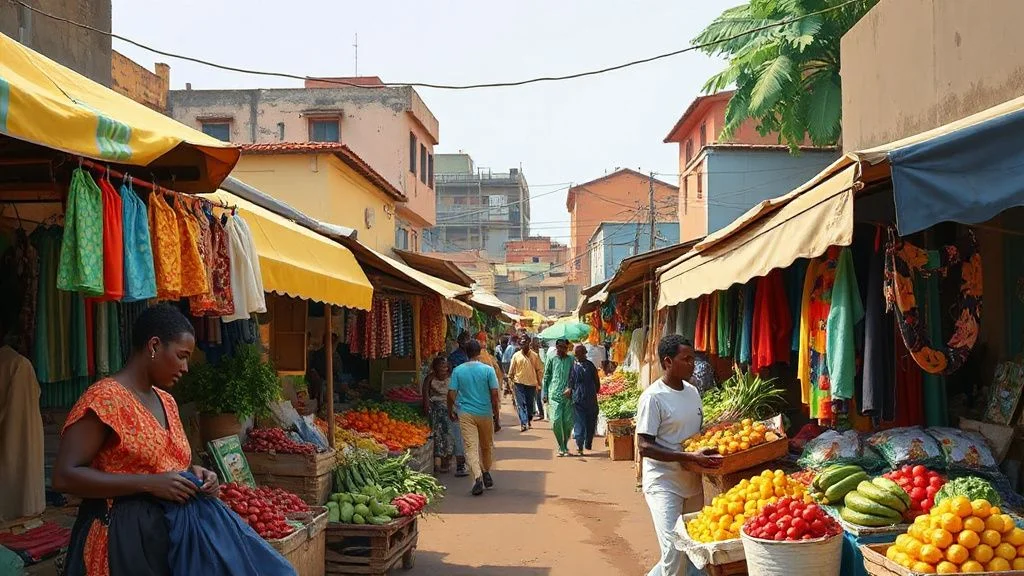
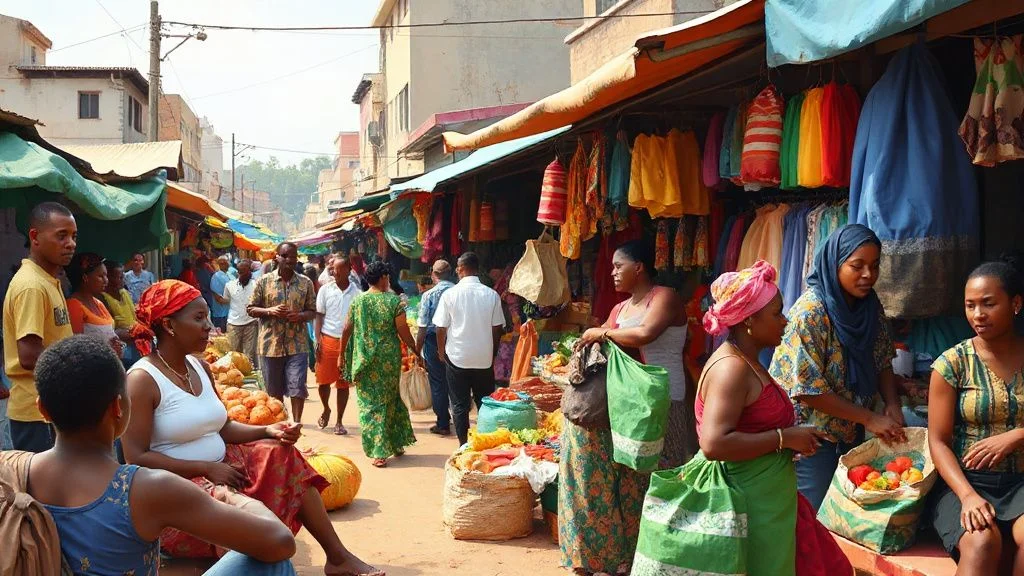
Expatriates may find it helpful to embrace this flexibility. For example, scheduling important tasks around power availability can minimize frustration. Additionally, utilizing local markets and restaurants that offer generators or alternative power sources during outages can enhance the experience of living in Nigeria.
Practical Tips for Expatriates
- Stay Informed: Local social media groups or community forums often provide real-time updates on power supply status, helping you plan your day accordingly.
- Invest in a UPS: A small uninterruptible power supply (UPS) can keep essential electronics, like computers and routers, powered during brief outages.
- Network with Neighbors: Building a rapport with your neighbors can help create a support network for sharing resources, from generators to information about reliable service providers.
- Learn Local Practices: Understanding how locals manage power outages can offer insight into practical adaptations and foster better integration into your community.
Conclusion
Dealing with power cuts in Nigeria is a challenge that requires creativity, adaptability, and resourcefulness. By investing in backup generators or solar power solutions and adjusting daily routines, households can maintain comfort and productivity despite the frequent outages. For expatriates, embracing these strategies not only eases the transition but also deepens the understanding of Nigerian culture and resilience. Adopting a flexible mindset can greatly enhance your experience living in Nigeria.
Exchange rate used in this article: 1 USD = 1334.7233 NGN (rate as of 2026-10-22T04:40:21.543396+00:00, source: Central Bank of Nigeria (CBN)).