Relocating to Nigeria, particularly in bustling cities like Lagos and Abuja, can be both exciting and overwhelming. Establishing a local support network during your initial months is crucial for easing the transition and enhancing your experience. This article will provide you with actionable advice on how to connect with locals, fellow expatriates, and resources that can help you settle in and thrive.
What can we help you with?
Three short questions, then just how to reach you. No account needed.
Understanding the Importance of a Support Network
Building a local support network is vital for several reasons. Firstly, it helps you navigate the complexities of daily life in Nigeria, from understanding local customs to finding reliable services. Secondly, having a support system can significantly reduce feelings of isolation and homesickness, which are common among expatriates. Lastly, a strong network can provide valuable insights into the culture, job market, and social opportunities available in Nigeria.
Connecting with Fellow Expatriates
One of the most effective ways to build a support network is by connecting with other expatriates. Many cities in Nigeria have vibrant expatriate communities that host regular events and gatherings. For instance, in Lagos, you can find expatriate groups on social media platforms like Facebook and LinkedIn. Joining these groups allows you to stay informed about meet-ups, cultural events, and social gatherings.
Additionally, consider attending international community events or cultural festivals. These gatherings not only provide opportunities to meet new people but also allow you to immerse yourself in the local culture. Look for events at local embassies or cultural centers, which often host activities that celebrate various nationalities.
Engaging with Local Communities
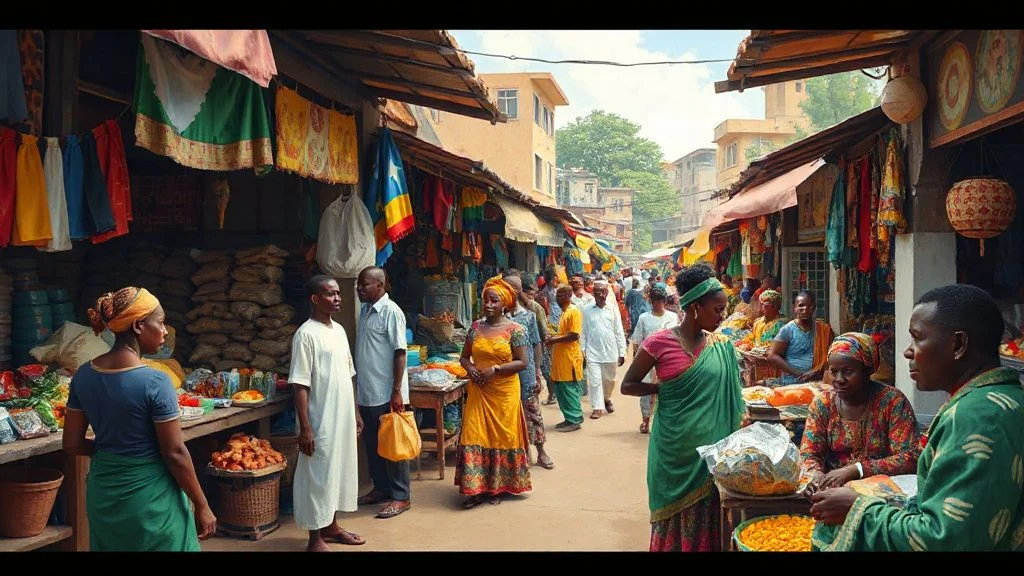
While connecting with fellow expatriates is essential, engaging with local communities can enrich your experience in Nigeria. Start by exploring neighborhoods, visiting local markets, and participating in community events. Local markets are not just shopping destinations but also places where you can meet locals and learn about Nigerian crafts and cuisine.
Consider volunteering for local charities or organizations. This not only helps you give back to the community but also provides a platform to meet like-minded individuals. Many NGOs in Nigeria welcome expatriate volunteers, offering a chance to connect with both locals and fellow expatriates while making a positive impact.
Utilizing Social Media and Online Platforms
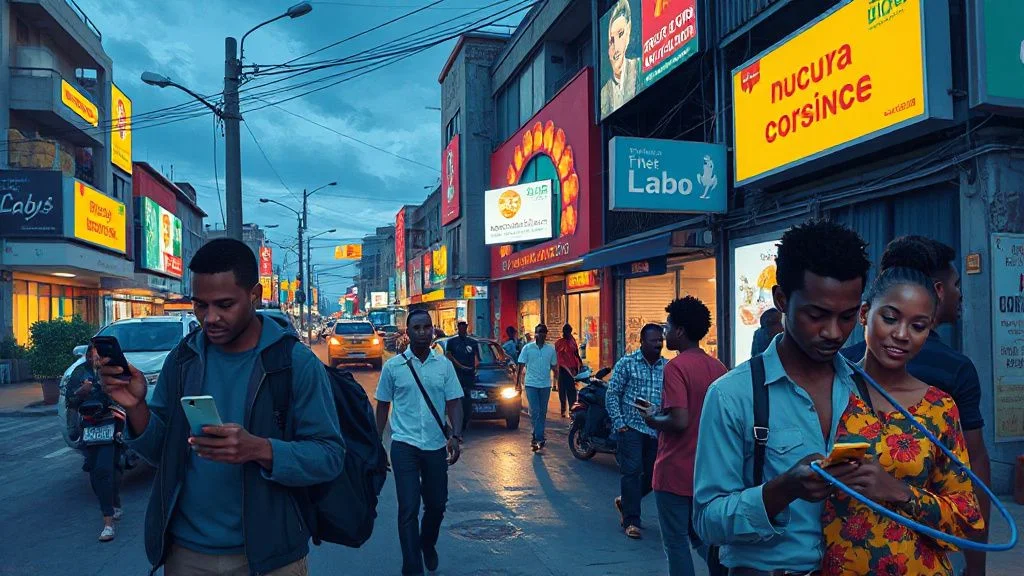
In today’s digital age, social media is a powerful tool for building a support network. Platforms like Facebook, Instagram, and Twitter can help you connect with local groups and communities. Search for groups focused on expatriate life in Nigeria, such as “Expats in Lagos” or “Abuja Expat Community.” These groups often share tips, advice, and information about local events.
Moreover, consider using apps like Meetup, which allows you to find groups based on your interests. Whether you’re into sports, arts, or professional networking, there are likely groups that cater to your preferences. Engaging in these activities can lead to lasting friendships and connections.
Finding Local Services and Resources
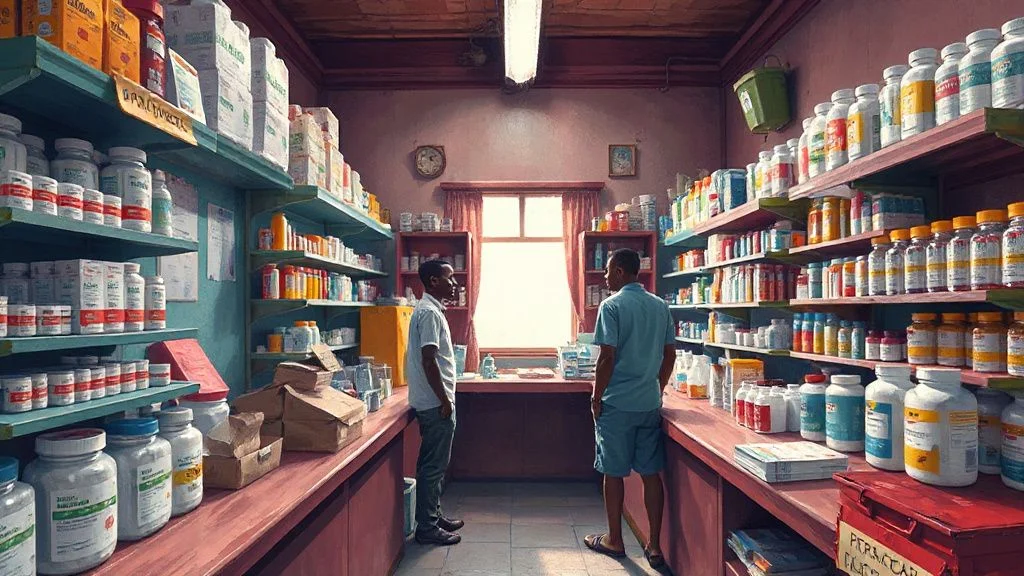
As you settle into Nigeria, knowing where to find essential services is crucial. Start by asking for recommendations from your network. Whether you need a reliable doctor, a good school for your children, or a trustworthy mechanic, personal recommendations can save you time and effort. Certain areas in major cities are known for their expatriate-friendly services, including international schools and healthcare facilities.
Additionally, familiarize yourself with local markets and grocery stores. Many expatriates prefer shopping at larger supermarkets that offer imported goods, while others enjoy the experience of visiting local markets for fresh produce and traditional items. Exploring these options can help you find the best fit for your lifestyle and dietary preferences.
Participating in Cultural Activities
Engaging in cultural activities is another excellent way to build your network. Attend local music concerts, art exhibitions, and theater performances. Major cities are known for their vibrant arts scene, with numerous events taking place throughout the year. Participating in these activities not only exposes you to Nigerian culture but also provides opportunities to meet locals who share your interests.
Consider taking classes in traditional Nigerian cooking, dance, or art. Many local organizations offer workshops that allow you to learn new skills while meeting others. This immersive approach can help you feel more connected to your new home and its people.
Practical Tips for Building Your Network
As you embark on your journey to build a local support network, keep these practical tips in mind:
- Be Open and Approachable: A friendly demeanor goes a long way in making connections. Smile, introduce yourself, and be willing to engage in conversations.
- Attend Networking Events: Look for professional networking events in your industry. These gatherings can be invaluable for both social and career connections.
- Stay Consistent: Building a network takes time. Attend events regularly and follow up with new acquaintances to nurture those relationships.
- Learn the Local Language: While English is widely spoken, learning basic phrases in local languages can help you connect with locals and show respect for their culture.
- Be Patient: Building a support network is a gradual process. Don’t be discouraged if connections don’t happen overnight; keep putting yourself out there.
Conclusion
Establishing a local support network in Nigeria is a vital step for expatriates and returning Nigerians. By connecting with fellow expatriates, engaging with local communities, utilizing social media, and participating in cultural activities, you can create a robust support system that enhances your experience. Remember to be open, patient, and proactive in your efforts. With time, you will find yourself well-integrated into the vibrant tapestry of Nigerian life.
Last updated: October 2026