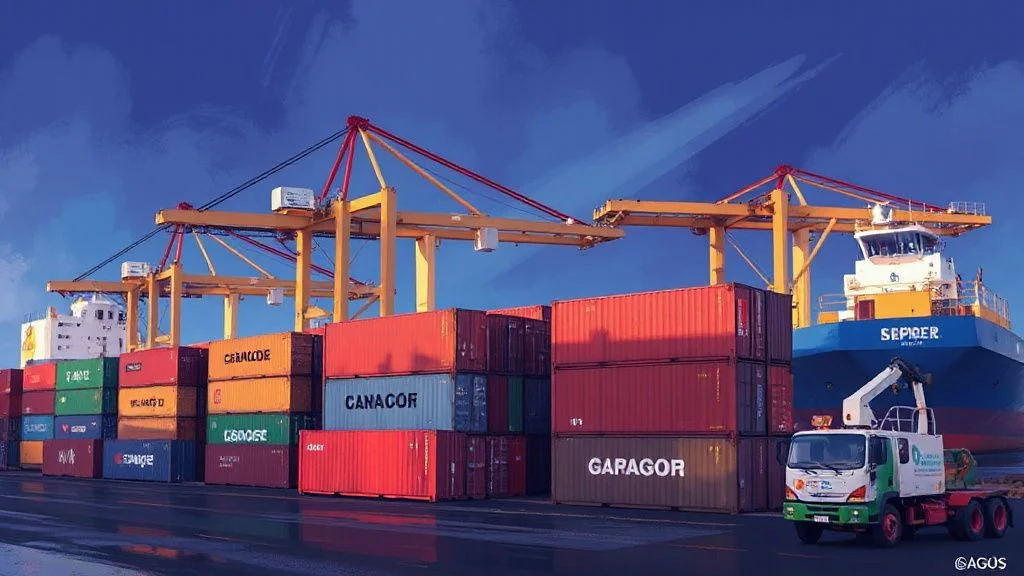
Relocating to or living in Nigeria, particularly in bustling Lagos, often entails navigating the complexities of shipping and clearing goods through Apapa Port. Understanding the terminal charges that appear on your invoice is crucial for budgeting and planning your logistics. This article breaks down the typical charges, what they entail, and tips for expatriates and returning Nigerians.
What can we help you with?
Three short questions, then just how to reach you. No account needed.
Overview of Terminal Charges
Apapa Port is one of Nigeria's busiest ports, handling a significant volume of shipping traffic. Terminal charges can vary based on several factors, including the size of the container, the type of goods being imported, and the specific services utilized. Typically, charges are incurred for the handling and storage of cargo, which can significantly impact your overall shipping costs.
When you receive an invoice for clearing goods at Apapa Port, it will include various charges. Understanding these charges helps avoid surprises and ensures smoother clearance processes. Below, we break down the common charges you might encounter.
Common Charges on Your Invoice
1. Container Handling Charges
Container handling charges are fees for the physical handling of your container at the port. This includes loading and unloading operations. For a 40ft container, handling charges can typically be around 250,000 NGN, while a 20ft container may incur around 120,000 NGN. These charges are essential for the port's operation and maintenance.
Additionally, these fees are exclusive of VAT, which is typically 7.5%. This means you should always factor in additional tax costs when calculating your total expenses.
2. Terminal Deposit and Shipping Company Charges
The terminal deposit for a 40ft container can range from 200,000 NGN if shipped within Lagos, and up to 400,000 NGN for containers shipped outside Lagos and Port Harcourt. For a 20ft container, the deposit is typically 100,000 NGN within Lagos and Port Harcourt.
Shipping company charges are also a significant component of your invoice. These typically cover the shipping line's administrative costs and can vary widely based on the company you choose. It is advisable to clarify these charges upfront with your shipping agent.
Documentation and Customs Charges
1. Customs Documentation Fees
Documentation fees cover the cost of processing necessary paperwork for customs clearance. This can include items such as the Bill of Lading, the Pre-Arrival Assessment Report (PAAR), and other essential documents. Expect to pay around 100,000 NGN for customs documentation for a 40ft container and approximately 50,000 NGN for a 20ft container.
Ensuring that your documents are in order before arriving at the port can significantly expedite the clearance process and minimize additional charges.
2. Agent Fees
Engaging a clearing agent is often necessary to navigate the complexities of customs. Agent fees can typically amount to around 250,000 NGN for both 20ft and 40ft containers. While this may seem steep, a knowledgeable agent can save you time and potentially lower your overall costs by ensuring all paperwork is correctly handled.
Additional Charges
1. Demurrage and Detention Fees
Demurrage and detention fees are incurred when containers are not picked up within the stipulated free days provided by the shipping company. These fees can vary based on the shipping line and the number of days your container remains at the port. Typically, these charges can accumulate quickly, making it essential to plan your logistics effectively.
To avoid these costs, ensure you have a clear timeline for your cargo collection and communicate with your clearing agent to keep things on track.
2. Other Miscellaneous Charges
Be prepared for other possible charges that may appear on your invoice, such as port surcharges, VAT on charges, and any specific fees related to the type of goods being imported. For instance, some goods may require additional permits, which can add to your costs.
It's wise to ask your shipping and clearing agent for a detailed breakdown of potential charges before shipping your goods to avoid unexpected expenses.
Practical Tips for Expatriates
As an expatriate or returning Nigerian, navigating the port system can be daunting. Here are some practical tips:
- Research Thoroughly: Familiarize yourself with typical charges and documentation. Knowing what to expect can save you time and money.
- Choose Reliable Agents: Work with a reputable clearing agent who has experience handling your type of cargo. Good agents can provide insights that save you from common pitfalls.
- Stay Organized: Keep all your documentation organized and ready to present. This can significantly speed up the clearance process.
- Plan for Delays: Be prepared for potential delays at the port, especially during peak seasons or holidays. Having flexible timelines can help you avoid stress.
Conclusion
Understanding the terminal charges that appear on your invoice at Apapa Port is vital for any expatriate or returning Nigerian navigating the logistics of shipping goods. By familiarizing yourself with common charges, engaging knowledgeable agents, and staying organized, you can streamline the process and avoid unexpected costs. As you settle into life in Nigeria, being aware of these details can help you feel more at home and in control of your logistics.
Exchange rate used in this article: 1 USD = 1334.7233 NGN (rate as of 2026-10-22T04:40:21.543396+00:00, source: Central Bank of Nigeria (CBN)).
Primary Sources
Last updated: October 2026