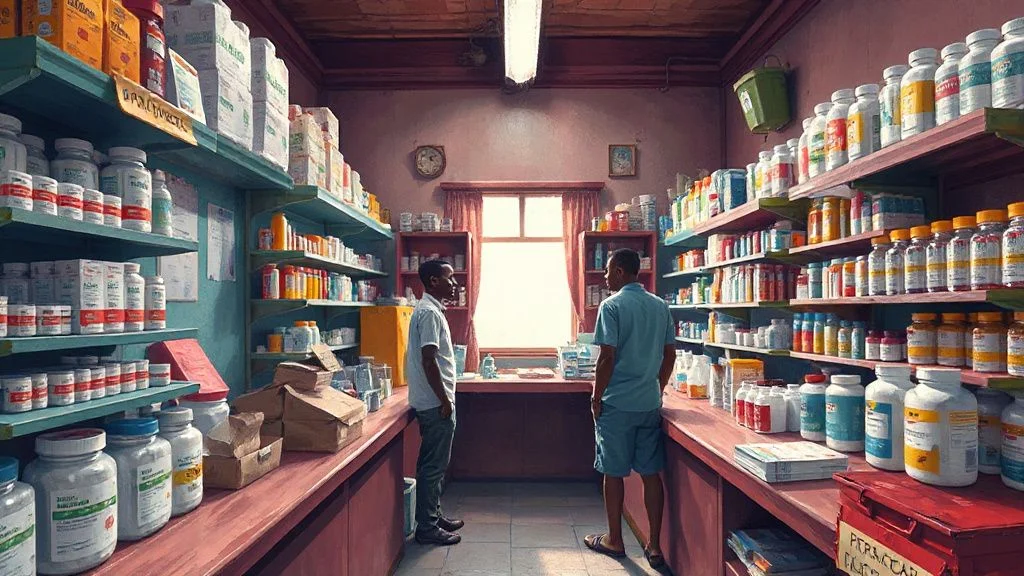
Relocating to Nigeria or returning home can be exciting, yet it comes with its own set of challenges, particularly when it comes to healthcare and medication. Understanding the regulations surrounding the importation of medication is crucial for expatriates and returning Nigerians alike. This guide will provide you with comprehensive information on what medications you can bring into Nigeria, what requires special permission, and insights to navigate the process smoothly.
What can we help you with?
Three short questions, then just how to reach you. No account needed.
Understanding Nigeria's Regulatory Framework for Medication
Nigeria has established strict regulations surrounding the importation of pharmaceuticals to ensure public safety. The primary governing body for medication in Nigeria is the National Agency for Food and Drug Administration and Control (NAFDAC). According to the Drugs and Related Products (Registration, Etc.) Act of 1996, all pharmaceuticals must be registered with NAFDAC before they can be imported, manufactured, or sold within the country.
This framework aims to prevent the circulation of substandard or counterfeit medications, which can pose significant health risks. Therefore, as an expatriate or returning Nigerian, it is vital to familiarize yourself with these regulations to avoid potential legal issues or health risks upon your arrival.
What Medications Can You Import Without Permission?
Individuals are allowed to bring in a limited quantity of medication for personal use without requiring special permission. This generally includes over-the-counter medications or prescription drugs that are not classified as controlled substances. Here are some examples of medications you can bring without needing special permission:
- Over-the-Counter Medications: Medications such as pain relievers (e.g., acetaminophen, ibuprofen), antihistamines, and cold medications are generally permissible.
- Prescription Medications: If you carry your prescribed medications, ensure they are in their original packaging and include the doctor’s prescription. This will facilitate verification at customs.
- Vitamins and Supplements: It is advisable to check the latest regulations regarding the importation of vitamins and dietary supplements, as there may be specific guidelines to follow.
While these medications are typically allowed, it is advisable to limit the quantity to a personal supply for about a month or less. Carrying excessive amounts may raise suspicions at customs and lead to unnecessary delays or questioning.
Medications That Require Special Permission
Certain medications, particularly those classified as controlled substances or narcotics, require special permission for importation. This includes medications that may be used for pain management, anxiety, or other conditions but have the potential for abuse. Here are some examples:
- Controlled Substances: Medications such as opioids (e.g., morphine, codeine) and certain anxiety medications (e.g., benzodiazepines) fall into this category.
- Injectable Medications: If you require injectable medications, you will need to obtain permission from NAFDAC. This includes medications used for chronic conditions like diabetes and rheumatoid arthritis.
To obtain the necessary permissions, individuals must apply to NAFDAC and provide documentation, which may include:
- Medical prescriptions or letters from a healthcare provider.
- Details of the medication, including its purpose, dosage, and quantity.
- Proof of your residency or purpose of stay in Nigeria.
The process of obtaining permission can take time, so it is advisable to plan ahead and apply at least a few weeks before your travel date.
Practical Steps for Importing Medication
1. Gather Documentation
Before traveling, ensure you have all necessary documentation for your medications. This includes prescriptions, doctor’s letters, and any other relevant medical records. Having these documents readily available will help expedite the customs process.
2. Check NAFDAC Regulations
Visit the NAFDAC website or consult with their offices to verify the current regulations regarding medication importation. Regulations can change, and staying informed will help you avoid any unexpected complications.
3. Limit Your Quantities
As mentioned earlier, it is wise to limit your medications to a personal supply for a month or less. This not only simplifies customs clearance but also ensures you comply with regulations.
4. Be Prepared for Customs Checks
Upon arrival in Nigeria, be prepared for customs checks. Having your medications in their original packaging and accessible will aid in a smooth inspection process. If you are questioned about your medications, present your documentation calmly and clearly.
What Expats Should Know About Local Alternatives
Once settled in Nigeria, you may find that some of your usual medications are available locally, but they may be under different brand names. It is beneficial to locate pharmacies in your area, especially in major cities, where expatriate-friendly pharmacies are more common. These pharmacies often carry a range of international medications and can assist with prescriptions as well.
Always check that the pharmacy is licensed and trustworthy to ensure the medications are authentic.
Common Cultural Nuances to Consider
Healthcare practices in Nigeria can be quite different from those in the UK or North America. Generally, it is common for healthcare providers to prescribe medications in a more conservative manner, and access to certain medications may differ significantly. For chronic conditions, establishing a relationship with a local healthcare provider can be beneficial, as they can recommend local alternatives to medications you may have been using abroad.
Additionally, it is essential to be aware of cultural attitudes towards medications. Some communities may have alternative treatment preferences or beliefs that differ from conventional Western medicine. Being respectful of these differences can help in navigating healthcare effectively.
Conclusion
Importing medication into Nigeria requires understanding the regulations set forth by NAFDAC. While many over-the-counter and prescription medications can be brought in without special permission, controlled substances require careful planning and documentation. By gathering the necessary paperwork, checking local regulations, and limiting quantities, you can ensure a smooth transition. Additionally, familiarize yourself with local pharmacies and healthcare practices to adapt effectively to your new environment. With the right preparation, you can manage your health and well-being while living in Nigeria.
Primary Sources
Last updated: October 2026