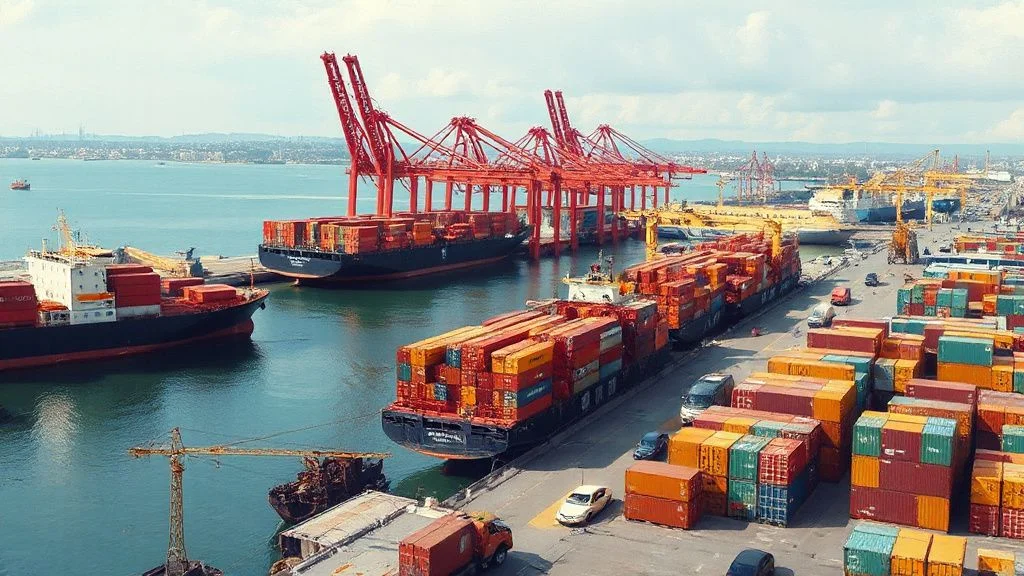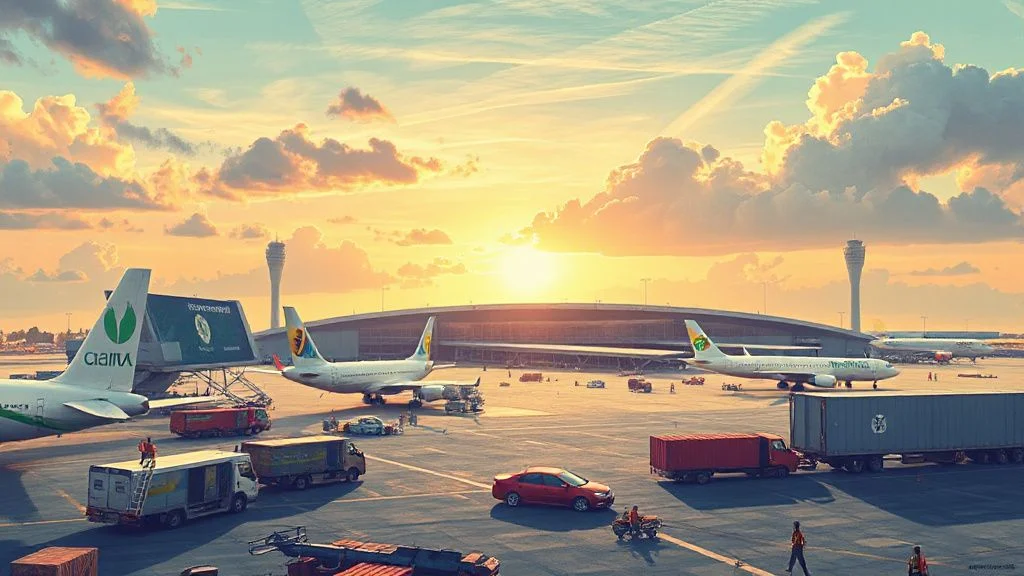
When relocating to Nigeria, especially to bustling cities like Lagos, understanding your shipping options can save you time and money. Air freight is often seen as a premium service, but there are specific scenarios where it can outperform shared container shipping. In this article, we will delve into the nuances of air freight, detailing when it makes sense to choose this option over a shared container, with actionable insights for expatriates and returning Nigerians.
What can we help you with?
Three short questions, then just how to reach you. No account needed.
Understanding Air Freight
Air freight involves transporting goods via aircraft, making it the fastest shipping option available. For expatriates and returning Nigerians, air freight can be particularly advantageous for urgent shipments, including personal belongings, essential items, and high-value goods. The primary airports facilitating air freight to Nigeria are Murtala Muhammed International Airport in Lagos and Nnamdi Azikiwe International Airport in Abuja, both equipped to handle significant cargo volumes.
Typically, air freight services cater to both personal shipments and commercial cargo, offering various solutions based on the nature and urgency of the shipment. The logistics process is streamlined, with many cargo airlines offering door-to-door services, thus minimizing the hassle for international professionals who may be unfamiliar with Nigerian customs regulations.
When Air Freight Outshines Shared Container Shipping
Speed and Urgency
In scenarios where time is of the essence, air freight is the clear winner. For example, if you need to restock inventory for a business or require urgent spare parts for machinery, air freight delivers your goods in approximately 5-7 working days to Lagos, compared to the several weeks it takes for shared container shipping. This makes air freight indispensable for businesses that rely on just-in-time delivery models.
Additionally, if you’re moving to Nigeria and need immediate access to personal items, like electronics or important documents, air freight allows you to bypass the lengthy wait associated with sea freight. Many expatriates have shared experiences of relying on air freight to ensure they have what they need as soon as they arrive, alleviating stress during the relocation process.
Cost Considerations
While air freight typically comes with a higher price tag compared to shared container shipping, it is crucial to analyze the overall cost in context. If delays in receiving goods could lead to lost opportunities—be it in business or personal life—the cost of air freight may be justified. For instance, the cost of air freight can range significantly based on the weight and volume of the shipment. Generally, you could expect around $5.79 per pound for standard cargo, which translates to approximately 7,726 NGN per kg. In contrast, shared container shipping, while cheaper per volume, may not be available for smaller shipments, making air freight the more economical choice when you need to send less than a full container load.
Logistics and Handling of Air Freight
Navigating the logistics of air freight can be complex, especially for newcomers. One of the key aspects that expatriates should understand is the concept of chargeable weight. Airlines charge based on whichever is higher: the actual weight or the volumetric weight, calculated by dimensions. This means that even lightweight but bulky items can result in higher costs, so it’s essential to pack wisely. For instance, a box full of lightweight clothes may cost more to ship than a compact box of electronics, thus understanding your shipment's weight dynamics can save you significantly.
Moreover, air freight often involves additional charges such as fuel surcharges and airport handling fees, which can vary depending on the airline and the specific flight route. For example, as of our last update, the handling charges at Nigerian airports may change periodically, impacting your total cost. Receiving a detailed breakdown of your quote, including these additional charges, will help you compare air freight with other shipping methods effectively.
Typical Air Freight Scenarios for Expatriates
Urgent Personal Effects
For expatriates relocating to Nigeria, sending essential personal items like laptops, important documents, or family heirlooms via air freight is a common choice. Many expatriates have faced the dilemma of whether to wait for a shared container to arrive or to send crucial items via air freight. The peace of mind that comes with having your essential belongings at hand can often outweigh the higher initial costs of air freight.
Furthermore, consider the scenario where you have a small quantity of goods—perhaps just a few boxes of personal items—that would not fill a container. In this case, air freight becomes the most logical choice. You avoid the potential delays and uncertainties associated with container shipping, ensuring that you can settle into your new life in Nigeria without unnecessary delays.
Commercial Cargo and Business Needs
For businesses looking to import products or materials into Nigeria, choosing air freight can significantly enhance operational efficiency. For instance, if you are a manufacturer needing to replace a broken machine part, the cost of downtime may far exceed the price of air freight. In this case, the speed of air freight can translate directly into financial savings.
Many businesses in Nigeria have developed relationships with air cargo providers to facilitate regular shipments, thus streamlining their supply chain. By establishing a reliable logistics partner, businesses can benefit from tailored solutions that address their specific needs, whether it’s urgent deliveries or bulk purchasing.
What Expats Should Know
Customs and Regulations
Understanding Nigerian customs regulations is vital when shipping via air freight. All incoming shipments are subject to customs duty based on the CIF (Cost, Insurance, and Freight) value, which means that your freight costs can influence your total duty bill. Familiarize yourself with necessary documentation, including Form M and PAAR, to avoid delays in customs.
Networking with other expatriates can provide insights into navigating these regulations effectively. Many expats form groups or forums where they share their experiences, challenges, and solutions regarding customs processes, which can be invaluable for newcomers.
Practical Tips for Using Air Freight
- Always measure the dimensions of your cargo to calculate the volumetric weight accurately.
- Request detailed quotes from multiple cargo airlines to compare costs effectively.
- Be aware of seasonal fluctuations in shipping rates, which can impact your overall budget.
- Consider using a logistics company that specializes in air freight to manage your shipments and customs paperwork.
- Engage with other expats to learn from their experiences with air freight to Nigeria.
In conclusion, while air freight may seem like a more expensive option at first glance, its speed, reliability, and flexibility often provide significant advantages, particularly in urgent situations. For expatriates relocating to Nigeria, understanding when to opt for air freight over shared container shipping can make a considerable difference in the overall relocation experience. By considering the practical tips and insights shared in this article, you can navigate your shipping needs with confidence, ensuring a smoother transition into your new life in Nigeria.
Exchange rate used in this article: 1 USD = 1334.7233 NGN (rate as of 2026-10-22T04:40:21.543396+00:00, source: Central Bank of Nigeria (CBN)).