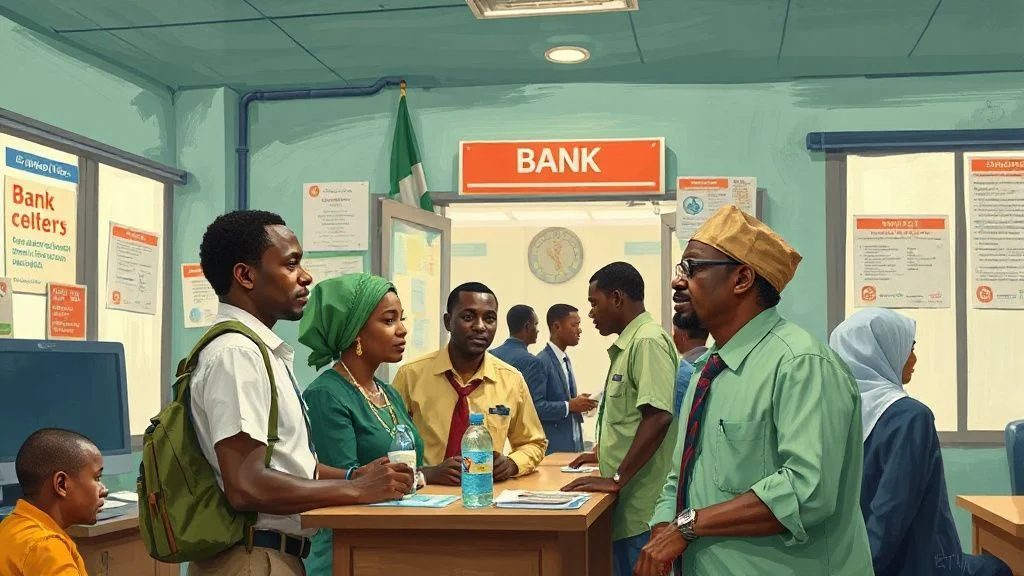
For expatriates relocating to Nigeria, particularly in cities like Lagos and Abuja, understanding the banking landscape is crucial. One common question that arises is whether Guaranty Trust Bank (GTBank) accepts a foreign address for account opening. This article delves into the requirements for opening an account at GTBank, the implications of using a foreign address, and practical advice for expatriates navigating the Nigerian banking system.
What can we help you with?
Three short questions, then just how to reach you. No account needed.
Understanding Guaranty Trust Bank
Guaranty Trust Bank is one of Nigeria's leading financial institutions, known for its innovative banking solutions and customer-centric services. Established in 1990, GTBank has built a reputation for reliability and efficiency, making it a popular choice among both locals and expatriates. The bank offers a range of services, including personal and business accounts, loans, and investment products.
For expatriates, having a local bank account is essential for managing finances, receiving salaries, and making everyday transactions. However, the process of opening an account can vary significantly based on residency status and documentation. Understanding GTBank's policies regarding foreign addresses is a key step for expatriates looking to establish their banking needs in Nigeria.
Account Opening Requirements at GTBank
When opening an account at GTBank, several documents are typically required. These may include:
- Valid identification (such as a passport or national ID)
- Proof of address (utility bill, lease agreement, etc.)
- Tax Identification Number (TIN) if applicable
- Employment letter or proof of income
The answer depends on which of two routes applies to you, and GTBank publishes them separately. For a Nigerian living abroad the bank runs a dedicated Non-Resident Nigerian service, and on that route a foreign address is the normal case rather than an exception. For a foreign national relocating to Nigeria the ordinary resident account applies, and proof of a Nigerian address is part of that process in the usual way. Reading the question as a single yes or no is what causes most of the confusion here.
Foreign Address Acceptance
On the non-resident route the bank lists a completed account opening form and a passport photograph, a valid national identity number, a Bank Verification Number, and a notarised foreign identity document. As proof of the foreign address it accepts a notarised utility bill, a stamped bank statement from the last three months, a notarised lease, a notarised tax bill from the last year, or a notarised foreign identity document that shows the address. Evidence of income is also on the list, in the form of employer identification, pay slips, or statements from a bank in your country of residence.
References can be met in either of two ways: a stamped reference letter or banker's confirmation from your bank abroad, or two reference forms from holders of a Nigerian current account at any Nigerian bank. A stamped banker's confirmation of your address counts as the address proof and the reference at the same time, which removes the need for a separate utility bill. Documents are notarised by a notary public, sighted at a Nigerian embassy, or sighted by a bank officer. GTBank's own pages do not agree on every detail and bank requirements change, so confirm the current list with the bank before you submit anything.
Implications of Using a Foreign Address
Using a foreign address when opening a bank account can have several implications for expatriates. Firstly, it may affect the types of accounts available. Some banks offer specific accounts tailored for expatriates, which may have different features or fees compared to standard accounts. Understanding these differences is crucial for making an informed decision.
Moreover, having a foreign address could complicate certain banking processes, such as receiving international wire transfers or applying for loans. Banks often require local addresses for compliance with regulatory standards, and using a foreign address may delay or hinder these transactions.
Practical Steps for Expatriates
For expatriates considering opening an account with GTBank, here are some practical steps to follow:
- Gather Required Documentation: Ensure you have all necessary documents ready, including identification, proof of address, and employment verification.
- Contact GTBank: Reach out to GTBank's customer service or visit a local branch to inquire about their policy on foreign addresses. This will help you understand what additional documentation may be required.
- Consider Local References: If possible, obtain a reference from a local resident or business associate. This can strengthen your application and may ease the process of opening an account.
- Be Prepared for Delays: Understand that using a foreign address may lead to longer processing times. Plan accordingly, especially if you need access to funds quickly.
Cost of Banking in Nigeria
Understanding the cost structure of banking in Nigeria is essential for expatriates. While GTBank offers competitive rates, there are various fees associated with account maintenance, transactions, and international transfers. Typically, banks in Nigeria charge monthly maintenance fees, which can vary based on the type of account. It is advisable to inquire about these fees directly with GTBank to avoid any surprises.
Additionally, expatriates should be aware of potential hidden costs, such as currency exchange fees when transferring funds internationally. These fees can significantly impact the overall cost of banking, so it is wise to factor them into your financial planning.
Budgeting Tips for Expatriates
When relocating to Nigeria, budgeting becomes a critical aspect of financial management. Here are some tips to help expatriates effectively manage their finances:
- Open a Local Bank Account: Having a local bank account simplifies transactions and reduces the need for currency exchange.
- Monitor Exchange Rates: Keep an eye on the fluctuating exchange rates, as they can impact your overall budget. Use reliable financial news sources or banking apps to stay updated.
- Plan for Hidden Costs: Consider potential hidden costs, such as import duties on goods or fees for international transactions. This foresight can help you avoid unexpected expenses.
- Utilize Mobile Banking: Many banks in Nigeria, including GTBank, offer mobile banking services. This can help you manage your finances on the go and avoid unnecessary trips to the bank.
What Expats Should Know About Nigeria's Currency Situation
Since the Nigerian currency was floated in June 2023, the naira has experienced significant volatility. This fluctuation can affect expatriates in various ways, particularly regarding budgeting and long-term financial planning. It is essential to stay informed about the current exchange rates and how they may impact your financial decisions.
For expatriates earning in foreign currencies, this volatility can create challenges in maintaining purchasing power. Regularly reviewing your financial strategy and adjusting your budget accordingly can help mitigate these effects. Consulting with a financial advisor familiar with the Nigerian market can also provide valuable insights.
Final Thoughts on Banking in Nigeria
Establishing a banking relationship in Nigeria is a vital step for expatriates. While Guaranty Trust Bank may accept foreign addresses under certain conditions, it is crucial to understand the implications and requirements involved. By gathering the necessary documentation, contacting the bank directly, and being prepared for potential challenges, expatriates can navigate the banking landscape more effectively.
Ultimately, being proactive and informed will empower expatriates to manage their finances successfully while living in Nigeria. Whether you are opening a bank account, budgeting for living expenses, or planning for the future, understanding the local banking environment will enhance your experience in this vibrant country.
Conclusion
In summary, while Guaranty Trust Bank may accept foreign addresses for account opening, it is essential to verify specific requirements with the bank. Understanding the implications of using a foreign address, being aware of banking costs, and staying informed about Nigeria's currency situation will help expatriates make sound financial decisions. By following the practical steps outlined in this article, expatriates can establish a solid banking foundation in Nigeria.
Last updated: November 2026