
This guide was synthesized using the latest legislative data and verified by our editorial board. Laws are subject to change; always consult official sources for final confirmation.
When relocating to Lagos, Nigeria, many expatriates and returning Nigerians often encounter issues with their foreign cards. Understanding the reasons behind these failures and knowing what to carry can help you navigate the financial landscape more effectively. This article will explore the common reasons for card failures, practical solutions, and essential items to carry to ensure a smooth financial experience in Lagos.
Common Reasons for Foreign Card Failures
1. Limited Acceptance of Foreign Cards
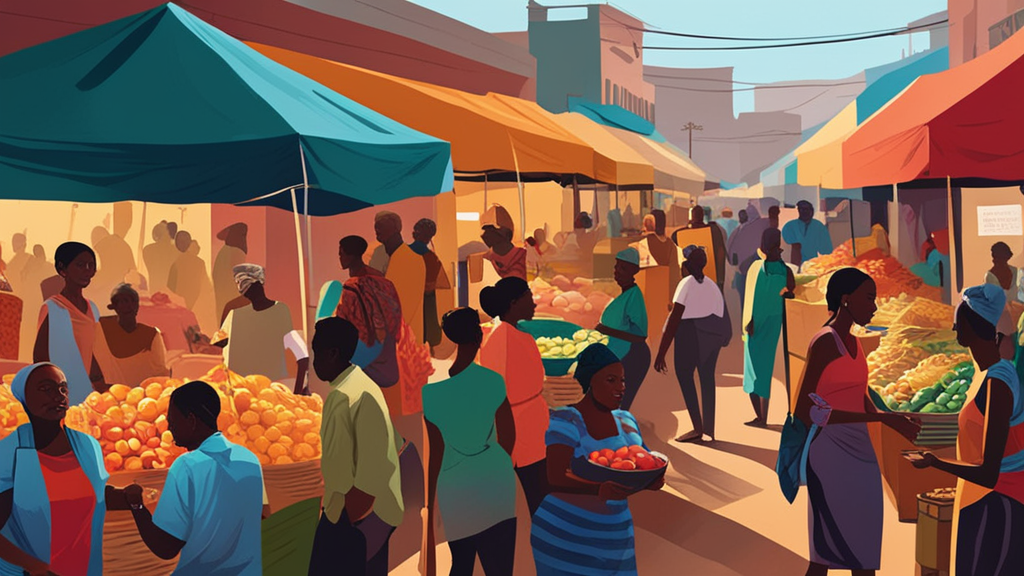
One of the primary reasons foreign cards fail in Lagos is the limited acceptance of international cards at local merchants. Many small businesses and markets primarily use local payment systems, which may not be compatible with foreign card networks. For instance, while major hotels and larger retail chains may accept Visa or Mastercard, smaller vendors often rely on local payment solutions.
As of our last update, it's common for street vendors and local shops to only accept cash or local mobile payment apps. This means that even if your card is functional, you may find yourself unable to use it in many places. To mitigate this, always carry a sufficient amount of cash in Nigerian Naira (NGN) for daily transactions.
2. Currency Exchange Issues
Currency exchange can also pose challenges for foreign cardholders. When using a foreign card, transactions may incur additional fees, and the exchange rate applied can be unfavorable. As of October 2026, the official exchange rate is 1 USD = 1332.096 NGN. However, some banks and ATMs may offer different rates, leading to unexpected costs.
Moreover, not all ATMs in Lagos accept foreign cards, and those that do may have withdrawal limits. It's advisable to check with your bank regarding any international transaction fees and to identify ATMs that are known to accept foreign cards. Carrying cash can help you avoid these complications.
Practical Solutions for Card Failures
1. Use Local Payment Apps
To enhance your financial flexibility in Lagos, consider using local payment apps. Several platforms, such as mobile wallets, allow you to make payments directly from your bank account or via cash deposits. Apps like these are widely accepted at various merchants and can be linked to your foreign bank account for easier transactions.
Typically, you can download these apps and set them up quickly. However, you may need to provide local identification or proof of residence to fully activate your account. This can be a useful workaround for card issues, especially in areas where cash is king.
2. Notify Your Bank
Before traveling to Lagos, notify your bank about your plans to avoid any security blocks on your card. Banks often flag international transactions as suspicious, leading to declined payments. By informing your bank, you can ensure that your card remains active during your stay.
Additionally, inquire about any partnerships your bank may have with local banks in Nigeria. Some banks offer fee-free withdrawals at specific ATMs, which can save you money on transaction fees.
What to Carry for Smooth Transactions
1. Cash in Nigerian Naira
Carrying cash in Nigerian Naira is essential for daily transactions. While larger establishments may accept foreign cards, many local vendors do not. Having cash on hand allows you to shop at markets, dine at local eateries, and pay for transportation without hassle.
As a practical tip, consider withdrawing cash in small denominations. This will help you avoid issues with change, as many vendors may not have sufficient change for larger bills. Aim to carry enough cash for at least a few days of expenses, especially if you plan to visit areas with limited ATM access.
2. Multiple Payment Options
In addition to cash, consider carrying multiple forms of payment. This could include a combination of your foreign card, a local bank card, and mobile payment options. Having various payment methods ensures that you are prepared for different situations and can adapt to the local financial environment.
For example, if your foreign card fails at a restaurant, you can quickly switch to your local bank card or use a mobile payment app. This flexibility can save you time and frustration, allowing you to enjoy your time in Lagos without financial stress.
What Expats Should Know
1. Hidden Costs and Fees
When using foreign cards or withdrawing cash, be aware of hidden costs. Banks may charge international transaction fees, and ATMs may impose withdrawal fees. These costs can add up quickly, so it's wise to factor them into your budget.
For instance, if you withdraw 20,000 NGN (approximately $15 USD), you may incur fees that could increase the total cost to $20 USD or more. Always check with your bank for a clear understanding of the fees associated with your card usage in Nigeria.
2. Currency Volatility
The Nigerian Naira has experienced significant volatility, especially since the currency was floated in June 2023. This can affect long-term financial planning for expatriates. As of October 2026, the exchange rate is 1 USD = 1332.096 NGN, but this rate can fluctuate.
To mitigate risks associated with currency volatility, consider setting a budget in both Naira and your home currency. This will help you track expenses more effectively and make informed decisions about your spending.
Conclusion
Understanding why foreign cards fail in Lagos and what to carry can significantly enhance your financial experience while living or relocating to Nigeria. By being prepared with cash, local payment options, and multiple forms of payment, you can navigate the local financial landscape with confidence. Always stay informed about potential fees and currency fluctuations to ensure a smooth transition into your new environment.
AI-Generated Content: This article was created with AI assistance and may contain inaccuracies. Please verify important information with official sources.
Exchange rate used in this article: 1 USD = 1332.096 NGN (rate as of 2026-10-13T04:40:22.511112+00:00, source: Central Bank of Nigeria (CBN)).
