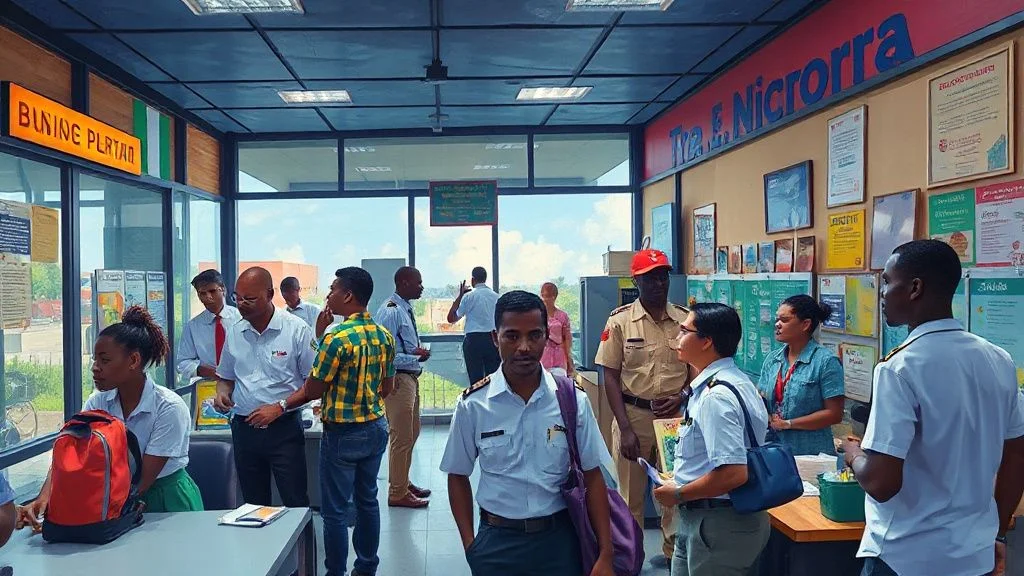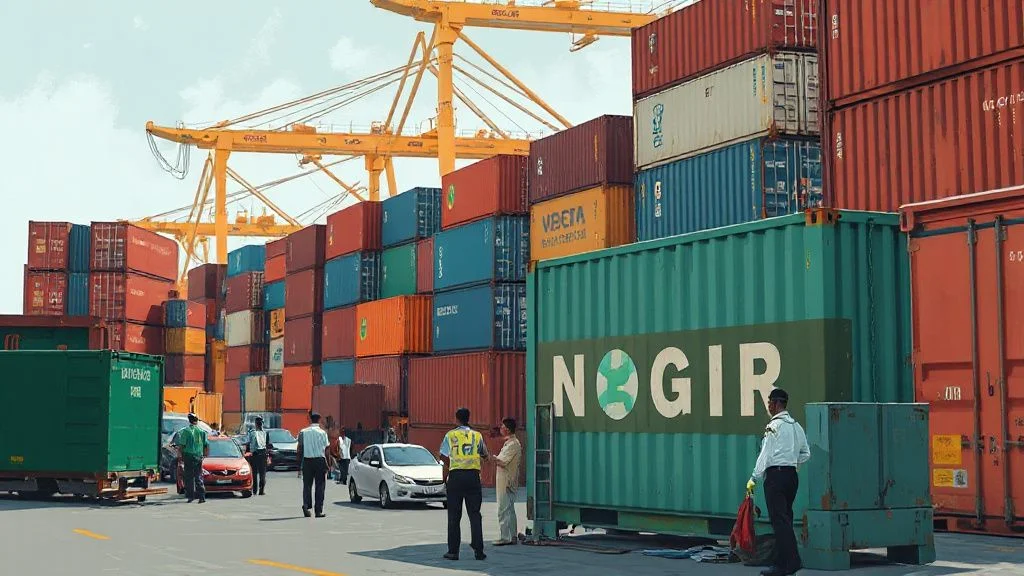
When relocating to Nigeria, particularly to bustling cities like Lagos or Abuja, understanding the customs clearance process for personal effects is crucial. This guide outlines the necessary documentation, fees, and procedures to ensure a smooth transition for expatriates and returning Nigerians. By being well-informed, you can avoid delays and additional costs during your relocation.
What can we help you with?
Three short questions, then just how to reach you. No account needed.
Understanding Customs Clearance in Nigeria
Customs clearance is the process of getting goods through customs so they can enter a country. For personal effects, this involves specific documentation and compliance with local regulations. Nigeria has established customs regulations that must be followed to facilitate the importation of personal belongings. These regulations are particularly stringent for returning citizens and expatriates, and understanding them can save you time and money.
Key Documentation Required
To clear personal effects through Nigerian customs, you will need to prepare a comprehensive set of documents. Here’s a detailed list:
- Tax ID: Obtained from the Nigeria Revenue Service, which replaced the Federal Inland Revenue Service under the Act of 2025. What older guides call a TIN is now the Tax ID, and you need it for any import activity.
- Original International Passport: This serves as proof of identity and residency.
- Resident Permit: Non-Nigerians must provide a valid resident permit or Green Card.
- Packing List: An original packing list in English detailing the contents of your shipment is essential.
- Bill of Lading or Air Waybill: This document must be original and properly consigned according to the shipping agent's instructions.
- Valued Inventory List: A detailed inventory list in English, including the value of each item, is required.
- Certificate of Transfer or Letter of Employment: This document verifies your employment status and the reason for your relocation.
- Certificate of Fumigation: If your shipment contains wooden crates, a fumigation certificate is mandatory.
- Additional Documents for Returning Citizens: Returning Nigerians must present their Nigerian international e-passport and proof of residency abroad.
Presence Requirement
It is important to note that the owner of the goods must be physically present during the customs clearance process. This requirement is strictly enforced, so plan your arrival accordingly. Additionally, the original bill of lading must be endorsed by the owner, which means it should be signed and marked as “delivered to” the consignee.
Customs Fees and Charges
Understanding the potential costs associated with customs clearance can help you budget effectively. Here are some common fees you might encounter:
- Documentation Fee: A typical fee for documentation is £20 (2026-10-06) (as of 2026-10-06, source: Two UK forwarders).
- Examination Fees: Customs may charge for examining your documents, typically NGN 1,400 (2026-10-06) per document (as of 2026-10-06, source: Nigerian Ports Authority).
- Handling Charges: Depending on the size of your container, handling charges can vary. For a 20ft container, expect to pay around NGN 6,796 (2026-10-06) (as of 2026-10-06, source: Nigerian Ports Authority).
- Storage and Demurrage Fees: These fees can range from NGN 6 (2026-10-06) per ton per day (as of 2026-10-06, source: Nigerian Ports Authority). There is no published ceiling on what prolonged storage ends up costing, and any single figure you see quoted for it is somebody's example rather than a tariff. Two separate meters are running: the port charges storage on its own published tariff, and the shipping line charges demurrage per container per day once the free days are used up, at a rate set in your bill of lading. Ask the line for its free-time allowance and its daily rate in writing before the vessel arrives, because that is the number that grows while a file sits with an agent.
Common Pitfalls to Avoid
When navigating the customs clearance process, there are several common mistakes that can lead to delays or additional costs:
- Incomplete Documentation: Ensure all required documents are complete and accurate. Missing or incorrect information can lead to significant delays.
- Improperly Consigned Bills of Lading: Ensure that your bill of lading is properly consigned as per the shipping agent’s instructions. Incorrect consignments can result in refusal to release your goods.
- Failure to Comply with Fumigation Regulations: If your shipment includes wooden items, ensure they are fumigated and certified. Non-compliance can lead to additional fees.
- Not Being Present for Clearance: As mentioned earlier, your physical presence is required for customs clearance. Plan your arrival to coincide with this requirement.
Timeline for Customs Clearance
The timeline for customs clearance can vary based on several factors, including the completeness of your documentation and the nature of your shipment. Typically, you can expect the following:
- No published clearance time: Neither the Nigeria Customs Service nor the ports authority publishes an average clearance time for sea or air consignments, so the week counts quoted in relocation guides are estimates nobody has committed to. Budget for the free days on your bill of lading rather than for a figure in an article.
- What the law does fix: The Nigeria Customs Service Act 2023 sets the deadlines on the dispute side rather than the clearance side. Section 269(1) requires the service to give its reasons in writing, section 270(a) allows 21 working days for the step that follows, and section 24(2)(b) gives the service 150 calendar days to issue an advance ruling. That last one is worth knowing before you rely on a ruling to price a shipment: it is five months, not the fortnight that several guides claim.
Keep in mind that delays can occur due to customs inspections or additional paperwork requirements, so it is wise to plan for potential setbacks.
Practical Tips for Expats
As an expatriate, navigating the customs process can be daunting. Here are some insider tips to make your experience smoother:
- Engage a Customs Broker: Consider hiring a licensed customs broker who is familiar with Nigerian customs regulations. They can help streamline the process and ensure compliance with all requirements.
- Prepare Your Documentation Early: Start gathering your documents well in advance of your move. This will give you ample time to address any issues that may arise.
- Keep Copies of Everything: Always keep copies of all documents submitted to customs. This can be invaluable in case of disputes or if additional information is requested.
- Stay Informed: Customs regulations can change, so stay updated on any new requirements or fees that may affect your shipment.
Conclusion
Successfully clearing your personal effects through Nigerian customs requires careful planning and attention to detail. By understanding the necessary documentation, potential costs, and common pitfalls, you can navigate the process with confidence. Engage with professionals when needed, prepare your documents in advance, and remain flexible to ensure a smooth transition to your new home in Nigeria.
Primary Sources
Last updated: November 2026