When navigating the complexities of customs regulations in Nigeria, understanding the identification requirements set forth by the Nigerian Customs Service (NCS) is crucial. Whether you are an importer, a traveler, or a returning Nigerian citizen, having the correct identification can significantly streamline your interactions with customs officials. This article will provide a comprehensive overview of the accepted forms of identification, the processes involved, and practical tips for expatriates and returning Nigerians.
What can we help you with?
Three short questions, then just how to reach you. No account needed.
Overview of the Nigerian Customs Service
The Nigerian Customs Service is the agency responsible for regulating and facilitating international trade in Nigeria. It operates under the Federal Ministry of Finance and is tasked with collecting customs duties, preventing smuggling, and ensuring compliance with national and international trade laws. The NCS has implemented various identification protocols to ensure that all transactions are secure and legitimate.
Types of Identification Accepted by the NCS
The Nigerian Customs Service accepts several forms of identification, each serving a specific purpose depending on the nature of the transaction. Below are the primary types of identification recognized by the NCS:
1. National Identification Number (NIN)
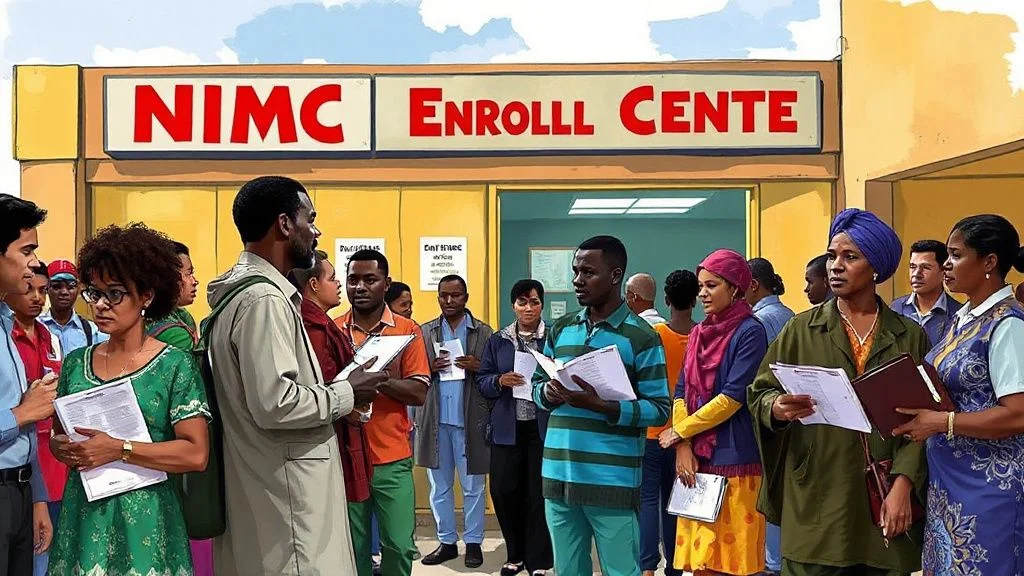
The National Identification Number (NIN) is a unique identifier issued to Nigerian citizens and residents. It is essential for various transactions, including customs clearance. The NIN is part of the National Identity Management Commission's efforts to create a comprehensive database of citizens. To obtain a NIN, individuals must register at designated enrollment centers across Nigeria.
For expatriates and returning Nigerians, presenting a NIN can facilitate smoother customs processing. It is advisable to apply for a NIN as soon as you arrive in Nigeria, as it is often required for various official transactions, including importing goods.
2. International Passport
The international passport is a critical document for travelers and expatriates. It serves as proof of identity and nationality when entering or exiting Nigeria. Customs officials may request your passport to verify your identity during customs checks, particularly if you are bringing in goods or personal items.
Ensure that your passport is valid and has sufficient blank pages for entry and exit stamps. It is also wise to carry a photocopy of your passport, as this can expedite the customs process if your original document is misplaced or lost.
3. Driver's License
A Nigerian driver's license is another form of identification accepted by the NCS. While primarily used for driving purposes, it can also serve as a secondary form of ID when dealing with customs officials. However, it is advisable to use more formal identification, such as a passport or NIN, for customs-related transactions.
Expatriates who hold a valid driver's license from their home country may also present it, but it is essential to check with customs officials regarding its acceptance, as policies may vary.
4. Resident Permit
For expatriates living in Nigeria, a valid resident permit is crucial. This document confirms your legal status in the country and may be required during customs inspections. The resident permit should be kept updated and presented alongside other identification documents when necessary.
Obtaining a resident permit involves submitting an application to the Nigeria Immigration Service (NIS) and providing necessary documentation, including proof of employment or business registration.
5. Company registration number and Tax ID
A company importing goods is identified by two numbers, and neither of them is called a Corporate Identification Number, a term that circulates in guides but matches nothing any Nigerian agency issues. The first is the RC number on the certificate of incorporation from the Corporate Affairs Commission, which proves the company is registered. The second is the Tax ID from the Nigeria Revenue Service, formerly known as the TIN. Both are asked for in the clearance chain.
To obtain the RC number a business registers with the CAC and files the usual incorporation documents, including the memorandum and articles of association; the Tax ID follows from registration with the revenue service. It is advisable for expatriates starting a business in Nigeria to complete this registration early to avoid delays in customs processes.
Documentation Required for Customs Clearance
In addition to identification, several documents are required for customs clearance in Nigeria. Understanding these requirements can help prevent delays and complications during the importation process.
1. Pre-Arrival Assessment Report (PAAR)
The Pre-Arrival Assessment Report (PAAR) is a mandatory document for all imports into Nigeria. It is generated through the Nigeria Customs Service's electronic platform and provides a detailed assessment of the goods being imported, including their value and applicable duties. Importers must obtain a PAAR before their goods arrive in Nigeria.
To obtain a PAAR, importers must provide relevant information about the shipment, including the bill of lading, commercial invoice, and packing list. The PAAR must be presented to customs officials during clearance.
2. Form M
Form M is another critical document required for importing goods into Nigeria. This form must be completed and submitted to a bank for processing before the importation of goods. It includes details about the importer, the goods being imported, and the payment terms.
Importers must ensure that Form M is accurately filled out and submitted to avoid delays in customs clearance. It is advisable to work with a licensed customs broker to ensure compliance with all requirements.
3. Bill of Lading
The bill of lading is a legal document issued by a carrier to acknowledge receipt of goods for shipment. It serves as proof of ownership and is required for customs clearance. Importers must present the original bill of lading to customs officials when clearing their goods.
It is essential to review the bill of lading for accuracy, as any discrepancies can lead to delays or complications during the customs process.
Practical Tips for Expats and Returning Nigerians
Understanding the identification requirements and customs processes in Nigeria can be daunting, especially for expatriates and returning Nigerians. Here are some practical tips to help you navigate the system effectively:
1. Prepare Your Documents in Advance
Before traveling to Nigeria or importing goods, ensure that all your identification documents are in order. This includes your NIN, passport, driver's license, and any other relevant documents. Having everything prepared can save you time and stress upon arrival.
2. Utilize a Customs Broker
Engaging the services of a licensed customs broker can significantly ease the importation process. These professionals are familiar with the regulations and can assist with documentation, ensuring compliance and minimizing the risk of delays or penalties.
3. Stay Informed About Changes in Regulations
Customs regulations in Nigeria can change frequently. It is essential to stay informed about any updates or changes that may affect your importation process. Regularly check the Nigeria Customs Service website or consult with a customs broker for the latest information.
4. Keep Copies of All Documents
Always keep photocopies of all your identification and customs documents. In case of loss or theft, having copies can expedite the process of obtaining replacements and help you avoid complications during customs checks.
Conclusion
Understanding the identification requirements of the Nigerian Customs Service is essential for anyone involved in importing goods or traveling to Nigeria. By ensuring you have the necessary documents, including your National Identification Number, international passport, and other relevant identification, you can facilitate a smoother customs process. Additionally, staying informed about the latest regulations and engaging a customs broker can further enhance your experience. With the right preparation, expatriates and returning Nigerians can navigate the customs landscape in Nigeria with confidence.