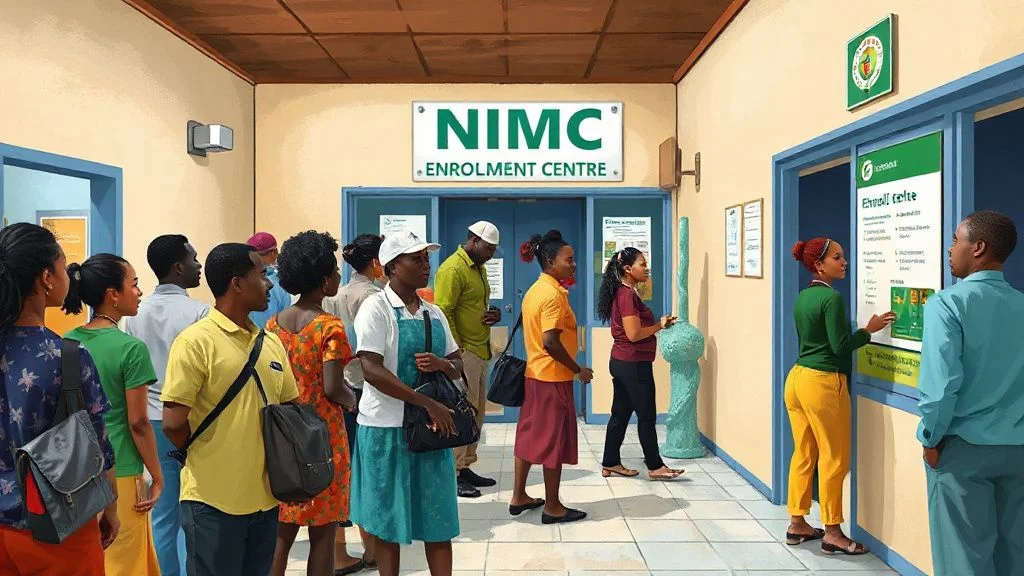

Securing a teaching position at an international school in Abuja can be an exciting opportunity for expatriates and returning Nigerians alike. However, understanding the contractual requirements is crucial for ensuring a smooth transition and successful employment. This article outlines the essential components of teaching contracts, including legal obligations, salary expectations, and practical advice for navigating the local education landscape.
What can we help you with?
Three short questions, then just how to reach you. No account needed.
Understanding Employment Contracts in Nigeria
In Nigeria, employment contracts are governed by the Labour Act of 1971, which outlines the rights and responsibilities of both employers and employees. For expatriates, it is essential to understand that contracts may differ significantly from those in the UK or North America. Typically, international schools in Abuja will offer contracts that include specific clauses regarding salary, benefits, and termination conditions.
Key Components of an Employment Contract
When reviewing a contract from an international school, ensure it includes the following key components:
- Job Title and Responsibilities: Clearly defined job roles help avoid misunderstandings. Ensure your specific duties are outlined in the contract.
- Salary and Payment Terms: Contracts should specify the salary amount, payment frequency (monthly, bi-weekly), and method of payment (bank transfer, cheque). No authority publishes a salary scale for international school teaching in Nigeria, and the monthly bands quoted in relocation guides trace back to recruitment advertisements rather than to any register. What belongs in the contract is therefore the figure itself, in writing: the gross amount, the currency it is paid in, whether any part is paid offshore, and the date of the month it lands.
- Duration of Employment: Contracts typically specify whether the position is temporary or permanent, including start and end dates.
- Working Hours: Understand the expected working hours, including teaching hours, planning time, and any additional responsibilities.
- Leave Entitlements: Contracts should outline annual leave, sick leave, and any other leave entitlements, including public holidays. Typically, international schools offer around 10-15 days of paid leave per year.
- Termination Clauses: Review the conditions under which either party can terminate the contract, including notice periods and grounds for termination.
Legal Requirements for Expatriate Teachers
Expatriates seeking teaching positions in Abuja must comply with Nigerian immigration laws. This includes obtaining the appropriate work visa, which is typically the Combined Expatriate Residence Permit and Aliens Card (CERPAC). Schools often assist with this process, but it is essential to confirm that the contract includes provisions for visa sponsorship.
Obtaining a Work Visa
The process for obtaining a work visa involves several steps:
- Job Offer: Secure a job offer from an international school in Abuja.
- Documentation: Prepare necessary documents, including your passport, a copy of your employment contract, and any required academic qualifications.
- Application Submission: Submit your visa application to the Nigerian embassy or consulate in your home country or through the school’s HR department.
- Approval and Collection: Once approved, collect your visa and ensure all documents are in order before traveling to Nigeria.
Salary and Benefits Expectations
Understanding salary expectations is crucial for expatriates. Salaries at international schools in Abuja can vary widely based on the school’s reputation, the teacher's qualifications, and the specific curriculum being taught. For instance, teachers at the American International School in Abuja may expect salaries around $9,338 (2026-04-01) per child per year for elementary education, while high school teachers may earn around $20,144 (2026-04-01) per child per year.
Additional Benefits
In addition to salary, many international schools offer a range of benefits to attract qualified teachers:
- Housing Allowance: Some schools provide a housing allowance or accommodation as part of the employment package. This can significantly reduce living costs in Abuja, where rental prices can vary widely.
- Health Insurance: Comprehensive health insurance is often included, covering medical expenses for the teacher and their dependents.
- Relocation Assistance: Schools may offer relocation packages that cover travel expenses, shipping of personal belongings, and initial settling-in costs.
- Professional Development: Opportunities for professional development, such as workshops and training, may be included in the contract.
Common Pitfalls to Avoid
While navigating the contract process, be aware of common pitfalls that can arise:
- Vague Job Descriptions: Ensure that your job responsibilities are clearly defined. Vague descriptions can lead to misunderstandings and additional work expectations.
- Unclear Termination Clauses: Pay close attention to termination clauses and ensure you understand the conditions under which your contract can be terminated.
- Neglecting to Verify Benefits: Always verify the benefits outlined in the contract. Some schools may advertise attractive packages but fail to deliver on specific benefits.
- Ignoring Local Laws: Familiarize yourself with local labor laws and regulations to ensure your rights are protected.
Practical Tips for Expatriates
Here are some practical tips for expatriates considering teaching roles in Abuja:
- Research Schools: Conduct thorough research on potential schools. Look for reviews from current and former teachers to gauge the school’s reputation and working conditions.
- Network with Other Teachers: Connect with other expatriate teachers in Abuja through social media groups or professional networks. They can provide valuable insights and advice.
- Consult a Legal Professional: If you have concerns about your contract or legal rights, consider consulting a legal professional familiar with Nigerian labor law.
- Prepare for Cultural Differences: Understand that cultural differences may affect workplace dynamics. Be open to adapting to local customs and practices.
Conclusion
Securing a teaching position at an international school in Abuja involves understanding the intricacies of employment contracts, legal requirements, and salary expectations. By familiarizing yourself with the key components of contracts, navigating the visa process, and avoiding common pitfalls, you can ensure a successful transition to your new role. Remember to conduct thorough research, network with fellow educators, and seek professional advice when needed. With the right preparation, you can embark on a rewarding teaching journey in Nigeria.
Primary Sources
Last updated: November 2026