
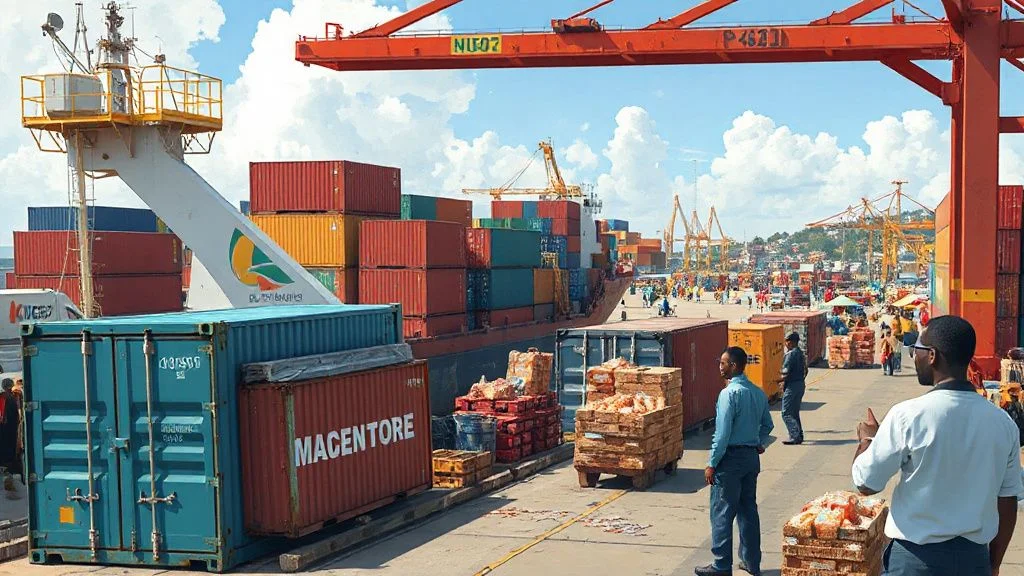
When relocating to Nigeria, particularly to bustling cities like Lagos or Abuja, understanding the customs clearance process for personal effects is crucial. This article will provide you with a comprehensive overview of how long it typically takes to clear a personal effects container through customs in Nigeria, the factors that can influence this timeline, and practical tips to ensure a smooth process.
What can we help you with?
Three short questions, then just how to reach you. No account needed.
Understanding Customs Clearance in Nigeria
Customs clearance is the process through which goods are approved for entry into a country. In Nigeria, this involves several steps, including documentation verification, duty assessment, and inspections. For expatriates moving to Nigeria, this process can seem daunting, especially when it comes to personal belongings. The timeline for customs clearance can vary significantly based on several factors.
Average Timeframes for Customs Clearance
No service standard is published for this, so the ranges of days that circulate are someone's experience rather than a commitment, and they vary by port. What exists instead is more important, because it runs against YOU rather than against the Service.
Under section 30(1) of the Nigeria Customs Service Act 2023, AN IMPORTED CONSIGNMENT MUST BE CLEARED WITHIN 30 DAYS OF DISCHARGE. Miss that and the goods are treated as OVERTIME CARGO; they can still be cleared within a further period of thirty days, but that requires the approval of the Customs Area Controller, and the status brings mounting storage and demurrage exposure with it. For a container of personal effects that is the deadline to plan around: not how fast the Service moves, but whether your paperwork and your agent are ready before the clock on your own consignment runs out.
Two faster figures are often quoted and neither is a standard you can rely on. A 48-HOUR clearance is a TARGET announced alongside the Service's One-Stop-Shop initiative, and the Presidential Enabling Business Environment Council is separately working to bring average cargo dwell time down from around twenty-one days to seven, with three or four days mentioned as possible once the National Single Window is fully in place. Those are reform objectives rather than entitlements. Treat them as the direction of travel and the thirty days as the rule.
With that in mind, these are the things that actually move the timeline:
- Standard Clearance: If all documentation is in order and there are no issues, you can expect clearance within approximately 5 to 7 working days.
- Delayed Clearance: If there are discrepancies in your documentation or if customs decides to inspect your container, the process may extend to 10 to 14 working days or even longer.
- Air Cargo Clearance: If you are shipping personal effects via air freight, the clearance time is typically faster, often taking 1 to 3 working days.
Factors Affecting Customs Clearance Time
Several factors can influence how long it takes for your personal effects container to clear customs in Nigeria:
- Documentation Completeness: One of the most significant factors is the completeness and accuracy of your documentation. Essential documents include the Bill of Lading, Packing List, and Import Declaration. Missing or incorrect documents can lead to delays.
- Customs Inspections: Containers may be selected for random inspections by customs officials. If your container is flagged, it can add several days to the clearance process.
- Customs Workload: The volume of shipments being processed at the time can also affect clearance times. During peak seasons, such as holidays, expect longer wait times.
- Use of Licensed Agents: Engaging a licensed customs clearing agent can expedite the process. They are familiar with the procedures and can help ensure that your paperwork is in order.
Essential Documentation for Customs Clearance
To facilitate a smooth customs clearance process, ensure you have the following documents ready:
- Bill of Lading: This document serves as proof of shipment and is essential for customs clearance.
- Packing List: A detailed list of all items in your container, including their value and quantity.
- Import Declaration: This form provides customs with information about the goods being imported.
- Proof of Residence: Documents that prove your residency in Nigeria, such as a utility bill or lease agreement.
- Identification: A valid passport or identification card may be required.
Having these documents prepared and accurately filled out can significantly reduce the chances of delays during the customs clearance process.
Practical Tips for Expats
Here are some insider tips to help you navigate the customs clearance process more effectively:
- Engage a Licensed Customs Clearing Agent: Hiring a licensed agent can save you time and stress. They understand the local customs regulations and can handle the paperwork on your behalf.
- Double-Check Your Documentation: Before shipping your container, review all documents to ensure they are complete and accurate. This can prevent unnecessary delays.
- Be Prepared for Inspections: Understand that customs may conduct inspections. Ensure that your items are well-organized and easily accessible to facilitate this process.
- Stay Informed: Keep in touch with your clearing agent for updates on the status of your shipment. They can provide real-time information on any issues that may arise.
- Budget for Duties and Fees: Be aware that customs duties and fees may apply to your shipment. Ensure you have budgeted for these costs to avoid any surprises.
Common Pitfalls to Avoid
While navigating customs clearance, be aware of common pitfalls that can lead to delays or complications:
- Incomplete or Incorrect Documentation: As mentioned earlier, missing or inaccurate documents are a primary cause of delays. Take the time to ensure everything is correct before shipping.
- Using Unlicensed Agents: Avoid using unlicensed customs clearing agents, as they may not be familiar with the regulations and could cause delays or issues with your shipment.
- Failing to Declare Items: Ensure that all items in your container are declared accurately. Failing to do so can lead to fines or confiscation of goods.
- Ignoring Customs Regulations: Familiarize yourself with Nigerian customs regulations regarding prohibited items. Importing restricted goods can lead to significant delays or legal issues.
Conclusion
To summarise: do not plan around an average, because none is published, and do plan around the thirty days that section 30(1) gives you from the date your container is discharged. Have your documentation complete before the vessel arrives rather than after, engage a licensed clearing agent early, and ask that agent for the discharge date in writing so you know when your own clock started. If the thirty days are at risk, raise it before they expire rather than afterwards: clearing overtime cargo needs the Customs Area Controller's approval, and by then storage charges are running against you as well.
