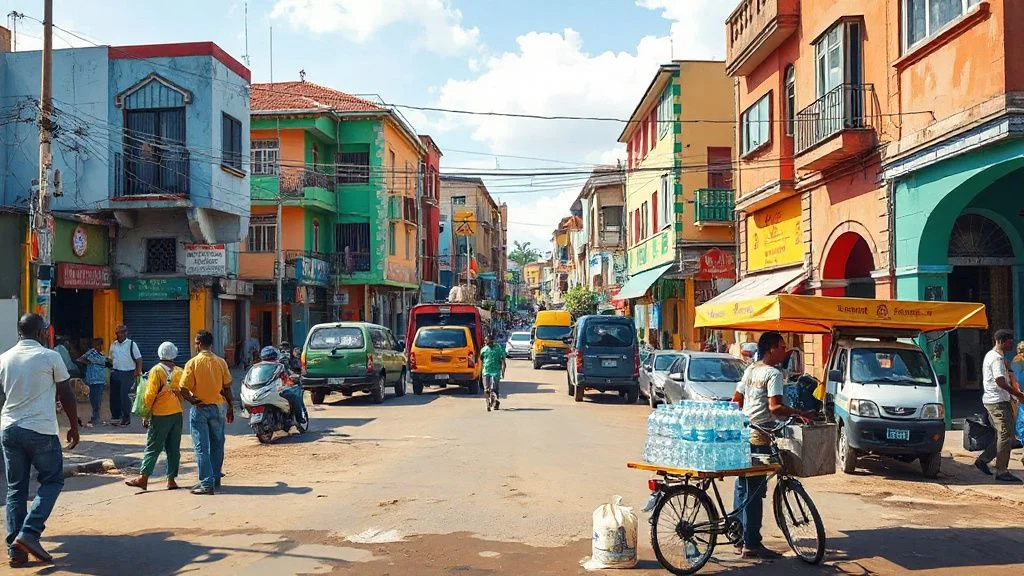
Living in Nigeria can be a vibrant and enriching experience, but it also comes with its unique set of challenges for expatriates. This article explores the most significant hurdles faced by expats in Nigeria, including issues related to infrastructure, security, healthcare, cultural adaptation, and the cost of living. By understanding these challenges, you can better prepare for a successful transition into life in Nigeria.
What can we help you with?
Three short questions, then just how to reach you. No account needed.
Infrastructure and Utilities
The infrastructure in Nigeria, particularly in cities like Lagos and Abuja, poses considerable challenges for expats. One of the most notable issues is the electricity supply. Nigeria experiences frequent power outages, and many households rely on diesel generators or inverters to maintain a consistent electricity supply. In fact, only about 48% of Nigerian households have reliable access to electricity, which means that during peak hours, residents may face blackouts lasting several hours.
For expats, this can complicate daily life significantly. It is advisable to invest in a generator or an inverter to ensure a stable power supply, especially if you are working from home or have sensitive electronic equipment. The upfront costs can be high, but they are necessary to avoid disruption. Additionally, the cost of fuel for generators can add to monthly living expenses, so budgeting for this is essential.
Transportation and Traffic
Transportation in Nigeria, especially in Lagos, can be quite challenging due to heavy traffic congestion. Lagos is known for its notorious traffic jams, which can make commuting a time-consuming affair. Expats often spend hours stuck in traffic, which can be frustrating and stressful. To mitigate this, consider flexible work arrangements that allow you to avoid peak hours or explore carpooling options with colleagues who live nearby.
Public transportation options are limited and may not meet the standards expected in Western countries. Ride-sharing apps are popular in Lagos and Abuja and can be a safer and more reliable alternative for expats unfamiliar with local transportation. However, always verify the driver's details and ensure the route is familiar to you to avoid any potential issues.
Healthcare Access and Quality
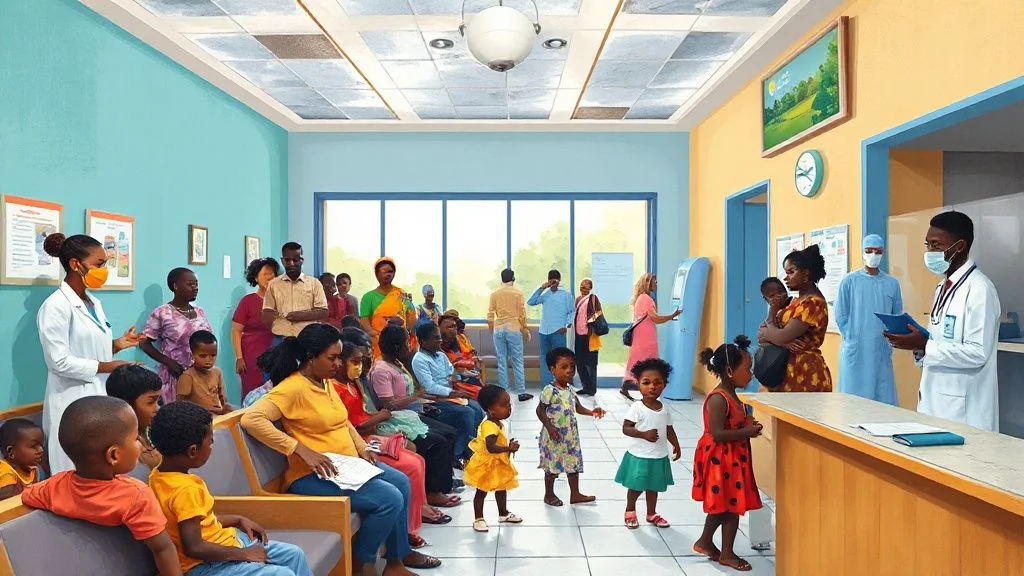
Healthcare in Nigeria presents significant challenges for expats. While private hospitals in cities like Lagos and Abuja can offer good care, they often do not match the standards seen in Western countries. Facilities may lack modern equipment, and there can be long wait times for services. It is recommended that expats secure comprehensive health insurance that covers private medical care and potential evacuation to facilities abroad if necessary.
For routine medical care, well-regarded private hospitals such as Lagoon Hospitals and Reddington Hospital in Lagos are frequently recommended. However, consultations can range from approximately 25,000 to 60,000 NGN (about 18 to 44 USD) for a general practitioner, which can add up quickly without insurance. Families with children should also consider vaccinations and regular check-ups, making it essential to establish a relationship with a reliable healthcare provider early on.
Security Concerns
Security is another major concern for expatriates living in Nigeria. Certain areas may experience higher crime rates, and expats are often advised to stay vigilant, especially in less developed neighborhoods or after dark. It is essential to research the security situation in your chosen neighborhood and to consider living in areas known for their safety, such as Victoria Island or Lekki in Lagos, which tend to have a higher concentration of expatriates and are often patrolled by security personnel.
Joining local expat communities can provide valuable insights into safe practices and help you stay informed about potential risks. Many expats also opt to hire private security services for peace of mind, particularly if living in more vulnerable areas. Always maintain a low profile and avoid displaying wealth to minimize risks.
Cultural Adaptation
Adapting to the local culture can be both rewarding and challenging. Nigeria is a country with over 250 ethnic groups and a myriad of languages. While English is the official language, many locals may speak their native languages or pidgin English, which can create communication hurdles. Understanding cultural norms is crucial as well, as some behaviors may be interpreted differently than intended. For example, directness in communication may be seen as rude in certain contexts.
Participating in local customs and festivals can facilitate cultural exchange and integration. Expats are encouraged to learn about Nigerian cuisine, music, and traditions, which can enhance their experience. Joining local clubs or groups can also help build a social network, making the adaptation process smoother.
The Cost of Living
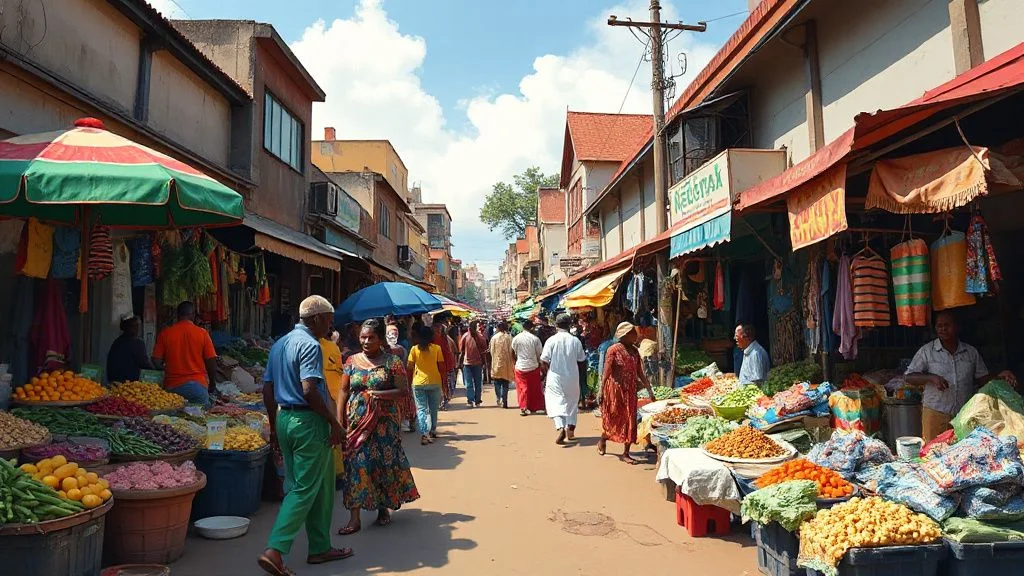
While Nigeria generally offers a lower cost of living compared to Western countries, expatriates often find that prices can fluctuate significantly due to inflation and the local currency's volatility. For those earning in USD, the cost of living can be quite affordable, but budgeting is essential. Basic food items and imported goods can be costly, leading many expats to shop at local markets where prices are typically lower.
Housing is another variable expense that can range widely depending on the location and type of accommodation. In upscale neighborhoods, rent can be high, reflecting the demand for safe and comfortable living conditions. It is advisable to research various neighborhoods and consult with local real estate agents to find suitable housing options within your budget. Understanding typical lease terms and negotiating rental contracts can also prevent misunderstandings.
Practical Tips for Expats
To navigate the challenges of living in Nigeria, consider the following practical tips:
- Invest in Utilities: Purchase a reliable generator and consider installing a water tank to ensure a steady supply of electricity and water.
- Stay Informed: Join expat forums and local community groups to stay updated on security issues and local events.
- Health Insurance: Secure comprehensive health insurance that covers both local and international medical facilities.
- Learn Basic Phrases: Familiarize yourself with local languages and common phrases to ease communication barriers.
- Explore Local Markets: Shopping at local markets can be more economical and offers a chance to experience Nigerian culture first-hand.
Conclusion
Living in Nigeria as an expatriate comes with its set of challenges, particularly concerning infrastructure, healthcare, security, cultural adaptation, and cost of living. However, understanding these hurdles and preparing for them can greatly enhance your experience. By investing in reliable utilities, securing proper health insurance, and immersing yourself in the local culture, you can enjoy all that Nigeria has to offer while navigating the complexities of life as an expat.
Exchange rate used in this article: 1 USD = 1361.8394 NGN (rate as of 2026-10-25T04:40:20.556169+00:00, source: Central Bank of Nigeria (CBN)).
Primary Sources
Last updated: October 2026