Special needs education in Nigeria has evolved significantly over the past few decades, reflecting a growing recognition of the rights and needs of individuals with disabilities. This article will provide an in-depth overview of the support available for special needs education in Nigeria, focusing on government policies, the role of non-governmental organizations (NGOs), and practical resources for families navigating this complex landscape.
What can we help you with?
Three short questions, then just how to reach you. No account needed.
Government Policies and Frameworks
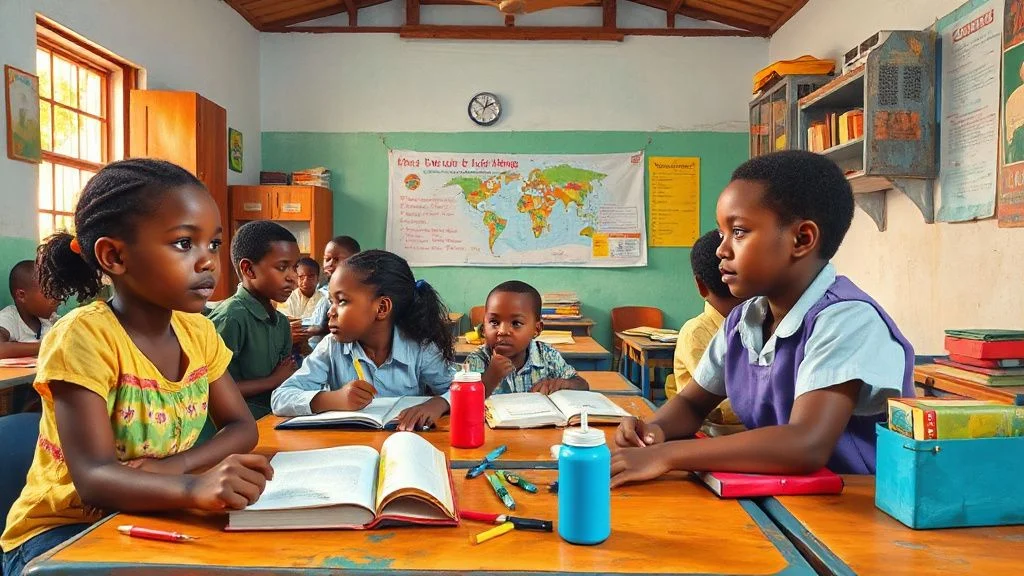
The foundation for special needs education in Nigeria is laid out in the National Policy on Special Needs Education, established by the Federal Ministry of Education. This policy emphasizes the importance of inclusive education, which aims to integrate students with special needs into mainstream educational settings. The policy is driven by principles such as zero rejection, total inclusion, and the creation of a least restrictive environment, which ensures that all children, regardless of their circumstances, have access to education.
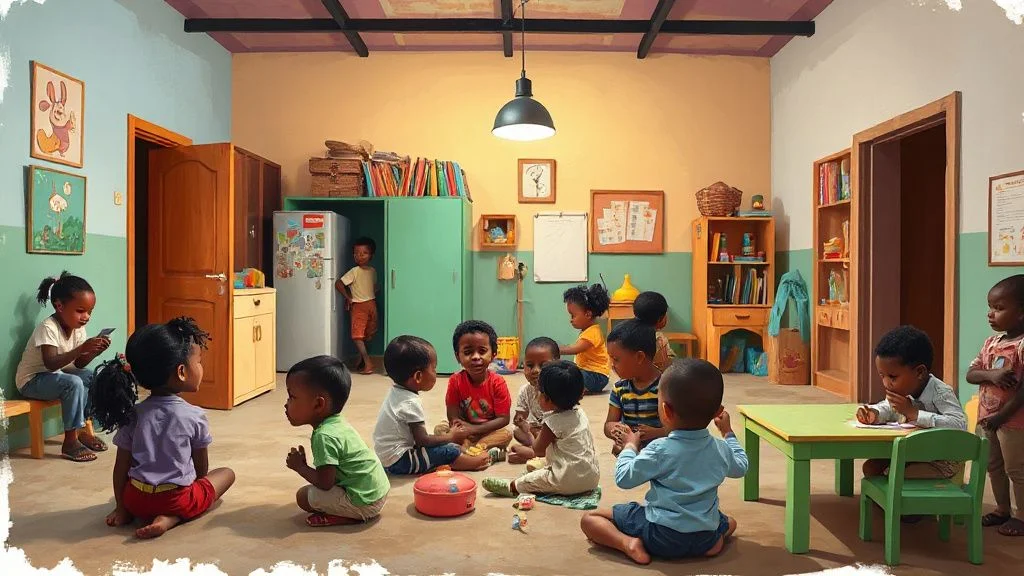
The implementation of this policy is supported by various initiatives that have been developed over the years. For instance, the government has established special schools and resource centers across the country. These institutions typically offer tailored educational programs for children with different disabilities, including visual impairments, hearing impairments, and intellectual disabilities. The government also provides training programs for teachers to equip them with the necessary skills to support students with special needs effectively.
National and Local Initiatives
On a national level, the Universal Basic Education (UBE) program plays a crucial role in ensuring that all children, including those with special needs, have access to quality education. The UBE focuses on providing free and compulsory basic education, which includes provisions for special needs education. Local governments often collaborate with state education boards to implement programs that promote inclusivity in schools.
In recent years, there has been a growing emphasis on community-based rehabilitation programs. These initiatives aim to create awareness and promote the inclusion of people with disabilities in various aspects of life, including education. They often organize workshops and training sessions to educate parents, teachers, and community members about the importance of inclusive education and how to support children with special needs.
Non-Governmental Organizations (NGOs) and Their Impact
In addition to government efforts, numerous NGOs in Nigeria are dedicated to supporting special needs education. These organizations often fill critical gaps in service delivery, providing resources, advocacy, and support for families. They play a vital role in raising awareness about the rights of individuals with disabilities and promoting inclusive practices in schools.
For example, several NGOs focus on teacher training programs that emphasize inclusive education methodologies. They often provide workshops for educators, helping them develop strategies to accommodate diverse learners in their classrooms. Additionally, NGOs frequently advocate for policy changes at both the local and national levels to improve the educational landscape for children with special needs.
Examples of NGOs Supporting Special Needs Education
Organizations such as various local foundations and the National Association of Special Education Teachers (NASET) are actively involved in supporting students with special needs. These organizations work to address the challenges faced by individuals with disabilities, promoting their inclusion in educational settings. Meanwhile, NASET is involved in efforts to enhance the skills of special education teachers, ensuring that they are well-equipped to meet the needs of their students.
Moreover, some NGOs also provide financial assistance for families of children with special needs. This support can cover various expenses, including therapy sessions, specialized equipment, and transportation to and from schools. Such resources can be invaluable for families navigating the complexities of special needs education.
Practical Resources for Families
For expatriates and returning Nigerians, finding the right resources and support systems can be a daunting task. Understanding the available options is essential for families with children who have special needs. Here are some practical resources and tips to consider:
Finding Schools and Educational Institutions
When seeking educational institutions for children with special needs, it’s beneficial to explore both mainstream and specialized schools. Major cities like Lagos and Abuja have various private and public schools that may offer inclusive education programs. Many schools now have dedicated special needs departments or trained staff to support children with disabilities.
Parents are encouraged to visit schools and meet with teachers and administrators to discuss the specific needs of their child. Additionally, connecting with local expat communities can provide valuable insight into which schools have positive reputations for supporting children with special needs. Online forums and social media groups can also serve as platforms for sharing experiences and recommendations.
Therapeutic and Support Services
In addition to educational institutions, there are various therapeutic services available in Nigeria. Occupational therapy, speech therapy, and psychological counseling are essential for children with special needs. Many private clinics and hospitals may offer these services, often with trained professionals who specialize in working with children with disabilities.
It is advisable for parents to seek recommendations from other families, pediatricians, or local support groups to find qualified therapists. Many expatriates have found success by utilizing international clinics or organizations that have a presence in Nigeria, as they often adhere to global best practices in therapy and support.
Cultural Considerations and Adaptation
Cultural attitudes towards disabilities in Nigeria can vary significantly, which may affect how families navigate special needs education. In some communities, misconceptions and stigmas surrounding disabilities can pose challenges. Education and awareness initiatives led by NGOs and community groups are essential in combating these stereotypes, promoting a more inclusive society.
For expatriates, adapting to these cultural nuances may require patience and understanding. Engaging with local communities and participating in awareness campaigns can foster positive relationships and contribute to a more inclusive environment for children with special needs.
What Expats Should Know
- Research Local Support Groups: Connecting with local or expatriate support groups can provide invaluable resources and emotional support.
- Utilize Technology: Online platforms can help families find information about special needs services, schools, and therapists in their area.
- Advocate for Your Child: Be prepared to advocate for your child’s needs within the educational system. Familiarize yourself with local policies and rights regarding special needs education.
- Embrace Cultural Differences: Understanding and respecting local cultural attitudes can facilitate smoother interactions with educators and service providers.
In conclusion, special needs education in Nigeria is supported by a combination of government policies, NGO initiatives, and community efforts aimed at fostering inclusivity. While challenges remain, there are numerous resources available for families navigating this landscape. Expatriates and returning Nigerians can find a supportive environment by actively engaging with local communities and utilizing available services. With continued advocacy and awareness, the future of special needs education in Nigeria looks promising.