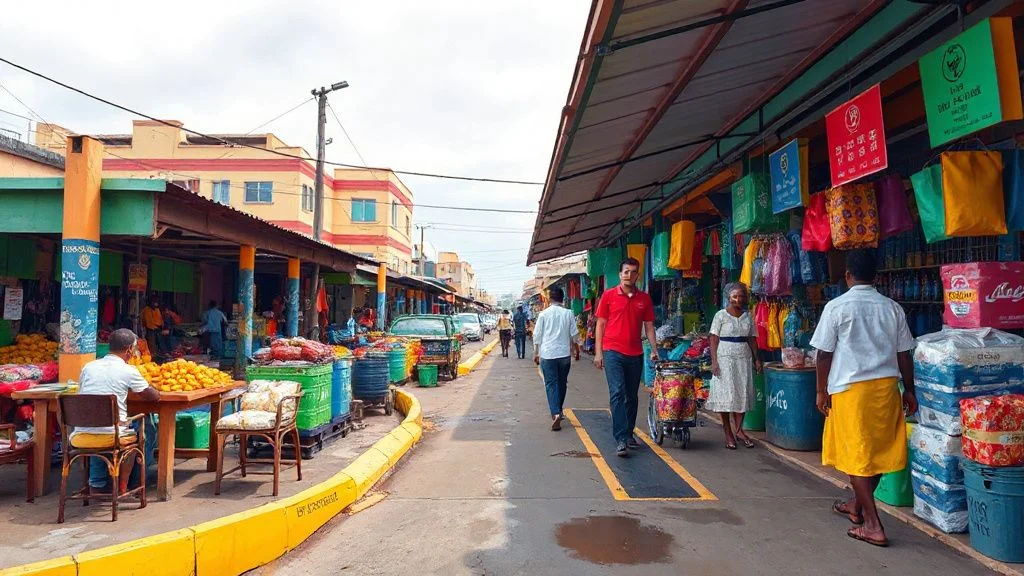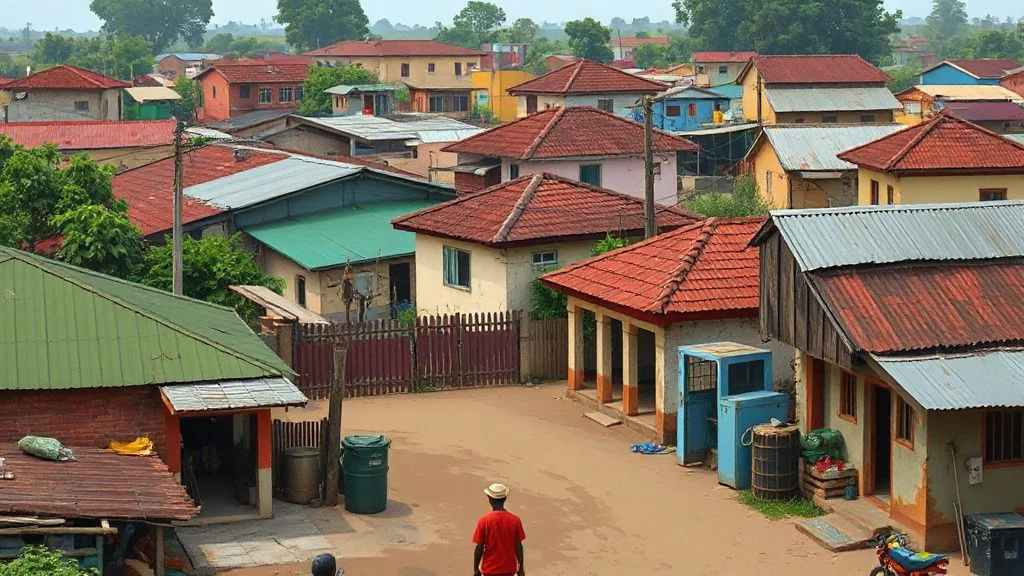
Moving to Nigeria, particularly to bustling cities like Lagos or Abuja, involves navigating various logistical challenges, including setting up essential utilities like water and electricity. This guide provides practical, actionable advice for expatriates and returning Nigerians on how to establish these services efficiently, ensuring a smooth transition into your new home.
What can we help you with?
Three short questions, then just how to reach you. No account needed.
Understanding the Utility Landscape in Nigeria
Nigeria's utility infrastructure can differ significantly from what many expats are accustomed to in the UK or other regions. Electricity supply is notoriously unreliable, with frequent outages common in both urban and rural areas. As a result, many residents rely on generators or inverters to supplement their power needs. Water supply can also be inconsistent, leading many to seek alternative sources.
In Lagos, for example, the electricity supply is managed by local electricity distribution companies. Each of these companies has its own processes for setting up new connections, and it's advisable to visit their offices or websites for specific requirements. Expect to encounter a mix of formal and informal practices when establishing these services.
Setting Up Electricity
Initial Steps for Electricity Connection
To set up electricity in Nigeria, the first step is to determine which electricity distribution company services your area. This can typically be done through a quick online search or by asking neighbors. Once identified, you will need to visit their local office to initiate the connection process. Bring along identification documents, proof of residence, and any other required paperwork.
After submitting your application, you may need to pay a connection fee, which can vary based on your location and the type of connection you require. However, verify with the local office for the most accurate figures.
Alternative Power Solutions
Given the unreliable grid supply, many expats opt for alternative power solutions. Generators are widely used, and you can find a variety of options in local markets. Inverters, which store energy for use during outages, are also popular. When considering these options, think about your daily power needs and the appliances you plan to use.
It's advisable to consult with local technicians or electricians who can recommend the best options based on your specific requirements.
Establishing Water Supply
Connecting to the Municipal Water Supply
In cities like Abuja and Lagos, municipal water supply is available, but the reliability can be hit or miss. To connect to the municipal water supply, visit the local water authority office. Similar to electricity, you will need to provide identification and proof of residence. The process may involve a connection fee, which varies by location.
In some neighborhoods, particularly in Lagos, water supply may be intermittent, leading residents to rely on water vendors or boreholes. Water vendors deliver water in large containers, and costs can vary based on the volume and distance of delivery. Typically, the cost of water delivery can vary depending on your location and the vendor.
Alternative Water Sources
Many residents opt for boreholes as a reliable alternative to municipal water supply. Drilling a borehole can be a significant investment, depending on the depth and location. While this may seem steep, having a consistent water supply can be invaluable, especially during dry seasons.
When considering a borehole, it's essential to hire a reputable drilling company. Look for recommendations from neighbors or local expats, and ensure the company conducts a proper geological survey before drilling to avoid potential issues.
Practical Tips for Expats
Understanding Local Practices
As an expat, adapting to local practices can significantly ease your transition. For instance, many residents in Nigeria are accustomed to negotiating prices for services, including utilities. Don’t hesitate to ask for discounts or negotiate connection fees, especially if you are setting up multiple services at once.
Additionally, familiarize yourself with local customs regarding payments. Cash is still king in many areas, though mobile payment options are gaining popularity. Ensure you have local currency on hand for any immediate expenses, as some service providers may not accept card payments.
Building a Support Network
Connecting with other expatriates or local communities can provide valuable insights into managing utilities. Online forums, social media groups, and local expat meetups can be excellent resources for sharing experiences and recommendations. These platforms can also help you find trustworthy service providers for electricity and water solutions.
Consider joining local community groups or forums where you can ask questions and share experiences. Many expats have faced similar challenges and can offer advice on the best practices for setting up utilities in your area.
Conclusion
Setting up water and electricity in Nigeria requires navigating a unique landscape of services and practices. Understanding the local utility providers, exploring alternative solutions, and building a supportive network can significantly ease the process. By being proactive and informed, you can ensure a smooth transition into your new home, allowing you to focus on enjoying your experience in Nigeria.
Last updated: October 2026