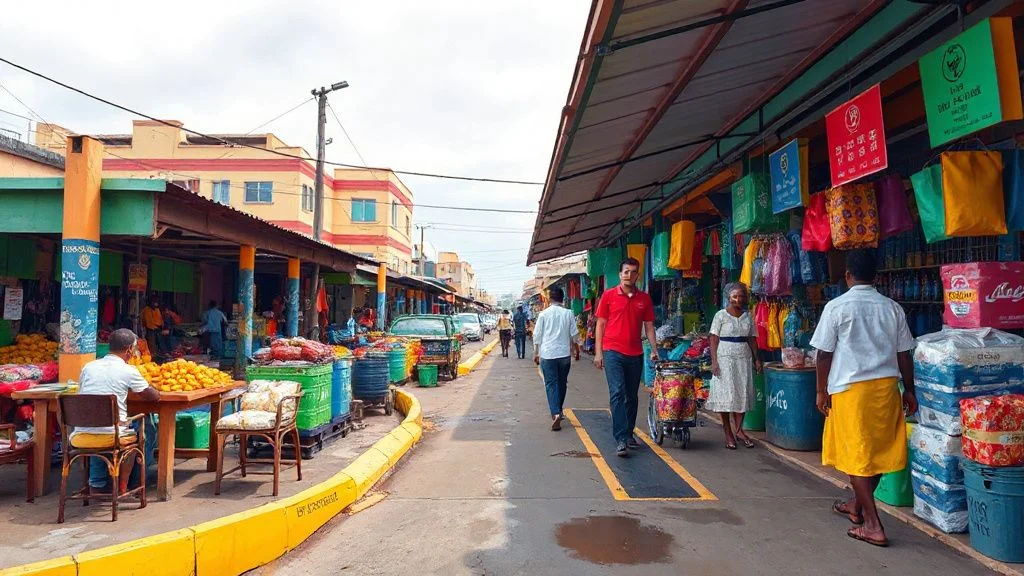
Relocating to Nigeria, particularly to bustling cities like Lagos or Abuja, can be a daunting experience, especially for expatriates with disabilities. Understanding the local infrastructure, accessibility standards, and available resources is crucial for easing daily life. This guide will delve into the current state of disability accessibility in Nigeria, providing you with practical advice and insights to navigate your new environment efficiently.
What can we help you with?
Three short questions, then just how to reach you. No account needed.
Understanding the Current Landscape of Disability Accessibility
In Nigeria, approximately 25 million individuals, or about 15% of the population, live with some form of disability. Despite the passage of the Discrimination Against Persons with Disabilities (Prohibition) Act in 2018, the implementation of effective accessibility measures remains inconsistent. Many public spaces, including government buildings, educational institutions, and transportation facilities, often lack proper accommodations for individuals with disabilities.
For expatriates, especially those moving from countries with stringent accessibility laws, adapting to Nigeria's infrastructure can be challenging. In cities like Lagos, which is known for its vibrant culture and bustling markets, the lack of accessible sidewalks, ramps, and public transportation options can pose significant barriers. In Abuja, while the city's layout is more planned, accessibility remains a concern, particularly in older buildings and public spaces.
Common Accessibility Challenges
Expatriates may encounter several challenges regarding disability accessibility:
- Physical Barriers: Many buildings lack wheelchair ramps, elevators, or tactile signage, making them difficult to navigate for those with mobility impairments.
- Transportation Issues: Public transportation options, including buses and taxis, are often not equipped for passengers with disabilities. Most taxis do not have ramps, and bus services lack designated spaces for wheelchairs.
- Limited Awareness: There is a general lack of awareness about disability rights among many service providers, leading to inadvertent discrimination or neglect of accessible accommodations.
Accessible Housing Options
Finding accessible housing should be a priority for expatriates with disabilities. In Lagos and Abuja, several neighborhoods offer more modern facilities that cater to accessibility needs. When searching for housing, consider the following factors:
- New Developments: Look for newly constructed apartments or complexes that are designed with accessibility in mind. These buildings typically feature wider doorways, accessible bathrooms, and elevators.
- Location: Consider neighborhoods known for being more expat-friendly, such as Victoria Island and Lekki in Lagos, or Wuse and Maitama in Abuja. These areas tend to have better infrastructure and access to services.
- Consult Local Real Estate Agents: Work with local real estate agents familiar with your specific accessibility needs. They can provide insights into which buildings are more accommodating and may even help negotiate terms that consider your requirements.
Assessing Apartments
When visiting potential apartments, assess the following:
- Check for ramps at entrances and exits.
- Ensure that doorways and hallways are wide enough to accommodate wheelchairs.
- Look for accessible bathrooms equipped with grab bars and space for maneuvering.
- Confirm the availability of elevators if the apartment is on a higher floor.
Public Transportation and Mobility Solutions
Public transportation in Nigeria can be challenging for persons with disabilities. In Lagos, the BRT (Bus Rapid Transit) system is one of the more reliable modes of public transport, but it lacks comprehensive accessibility features. While some BRT buses may have low floors, many stops and stations do not cater to those with mobility impairments.
For expatriates, using ride-hailing apps may offer a more flexible transportation option. Some platforms allow you to specify your needs, but accessibility varies by driver and vehicle. It’s advisable to communicate your requirements clearly when booking a ride.
Alternative Transportation Options
In addition to ride-hailing, consider the following alternatives:
- Private Car Services: Hiring a private driver can provide greater flexibility and comfort. Look for services that offer vehicles equipped for accessibility.
- Accessible Taxis: Some taxi services are beginning to offer wheelchair-accessible vehicles, though availability may vary.
- Community Transport Services: Investigate local organizations that provide transportation specifically for persons with disabilities. These services may offer subsidized rates or tailored routes.
Local Resources and Support Networks
Connecting with local organizations and support networks can be invaluable for expatriates with disabilities. These resources can provide information, advocacy, and community support:
- Disability Advocacy Groups: Several NGOs focus on promoting the rights and welfare of persons with disabilities in Nigeria. Engaging with these organizations can provide valuable insights and assistance.
- Expatriate Forums: Online forums and social media groups can be excellent platforms for sharing experiences and advice. Many expatriates share their challenges and solutions regarding accessibility in Nigeria.
- Local Community Centers: Some community centers in larger cities offer programs and services for individuals with disabilities, including skills training and social activities.
Practical Tips for Expatriates
As you navigate life in Nigeria, consider these practical tips for enhancing your experience:
- Visit Before You Move: If possible, visit Nigeria to explore neighborhoods, housing, and transportation options. This firsthand experience can help you make informed decisions.
- Know Your Rights: Familiarize yourself with the legal protections afforded to persons with disabilities in Nigeria. This knowledge can empower you to advocate for yourself and others.
- Stay Connected: Build a network of local contacts, including fellow expatriates and advocacy groups. Having a support system can make a significant difference in your adjustment process.
- Research Accessibility Features: Prioritize local venues such as restaurants, shopping centers, and entertainment spots that are known for their accessibility. Many establishments are becoming more aware of the need for inclusive services.
Conclusion
While navigating disability accessibility in Nigeria presents challenges, understanding the infrastructure and available resources can significantly enhance your experience. By focusing on accessible housing, exploring transportation options, and connecting with local support networks, expatriates can better adapt to their new environment. Embrace the vibrant culture of Nigeria while ensuring that your needs are met, making your relocation a rewarding adventure.