The Federal Ministry of Health (FMoH) in Nigeria plays a crucial role in the health sector, overseeing a broad spectrum of healthcare services and initiatives designed to improve the health of all Nigerians. This article explores the Ministry's responsibilities, the initiatives it implements, and how these efforts impact residents, particularly expatriates and returning Nigerians adjusting to life in Nigeria.
What can we help you with?
Three short questions, then just how to reach you. No account needed.
Overview of the Federal Ministry of Health
Established to provide leadership in health policy formulation and implementation, the FMoH is tasked with ensuring health security for Nigerians. Its headquarters is located in Abuja, the capital city, where it coordinates various health programs and policies across the nation. The Ministry's mission is to create a healthier nation through accessible healthcare, improved health indicators, and enhanced health governance.
As part of its strategic Four-Point Agenda, the FMoH focuses on improved governance, health outcomes, a robust healthcare value chain, and health security. This framework is essential for addressing the healthcare challenges faced by the population, particularly in urban areas like Lagos and Abuja.
Key Responsibilities of the Ministry
Healthcare Governance
The FMoH is responsible for setting health policies and guidelines that govern the healthcare system in Nigeria. This includes regulating healthcare providers, ensuring the quality of medical services, and promoting transparency and accountability within the system. The Ministry works closely with state ministries of health to implement national health policies at local levels.
For expatriates, understanding the governance structure is vital. Engaging with reputable healthcare providers and facilities that adhere to these regulations can significantly improve healthcare experiences in Nigeria.
Health Promotion and Disease Prevention
One of the primary roles of the FMoH is to promote health and prevent diseases through various initiatives. This includes vaccination campaigns, health education programs, and public health awareness efforts addressing prevalent health issues such as malaria, tuberculosis, and HIV/AIDS. The Ministry emphasizes preventive care, making it crucial for residents to participate in health screenings and vaccination drives.
Expatriates and returning Nigerians should be aware of the available health services in their local areas. Regular check-ups and vaccinations can help avoid common health issues, as the healthcare system may differ significantly from what they are used to in their home countries.
Healthcare Infrastructure and Accessibility
Improving Access to Healthcare
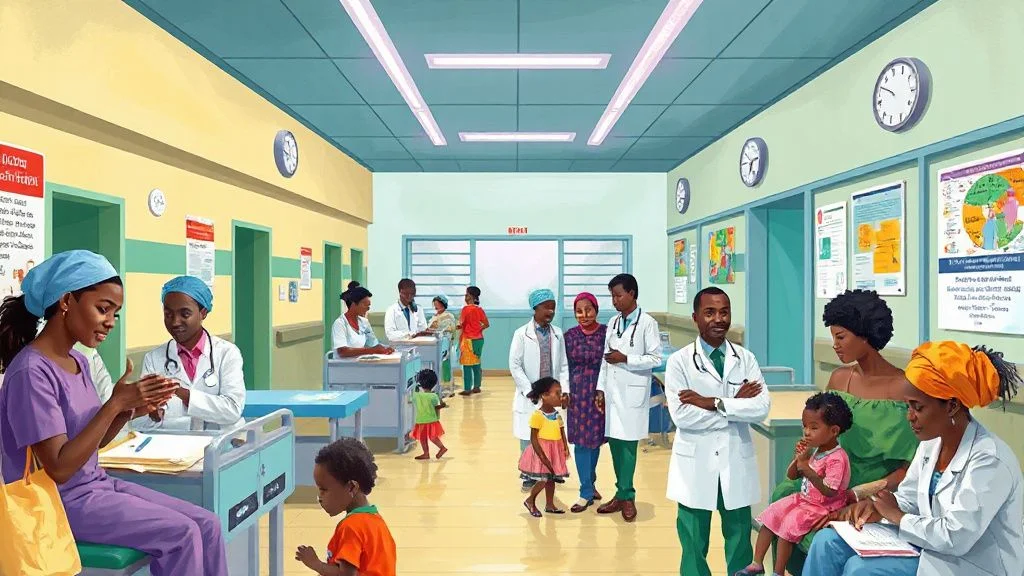
To enhance healthcare accessibility, the FMoH has been working on initiatives to improve healthcare infrastructure across Nigeria. This includes upgrading hospitals, clinics, and health centers, particularly in underserved areas. Although major cities like Lagos and Abuja have more advanced facilities, rural areas still face challenges in accessing quality healthcare.
For expatriates, finding suitable healthcare services within proximity to their residence is essential. Many international hospitals and clinics offer services that cater specifically to expatriates, often employing staff who are familiar with the needs of foreign residents.
Healthcare Financing and Affordability
Healthcare financing is another critical area overseen by the FMoH. The Ministry works on policies to ensure that healthcare services are affordable and accessible to all Nigerians. Initiatives like the National Health Insurance Scheme (NHIS) aim to reduce the financial burden on citizens when accessing medical care.
Expatriates should familiarize themselves with available health insurance options in Nigeria. Many international companies offer health insurance plans that cover a range of services, including outpatient care, hospitalization, and emergencies, which can be a significant relief in navigating the healthcare landscape.
Current Health Initiatives and Programs
Sector-Wide Approach (SWAp)
The FMoH employs a Sector-Wide Approach (SWAp) to optimize resources and improve coordination among healthcare stakeholders. This initiative encourages collaboration between the government, private sector, and international donors to create a more efficient health system.
For residents, this means a more integrated approach to healthcare delivery, where different sectors work together to enhance service quality and reach. Expatriates can benefit from the improved healthcare services resulting from these partnerships, as they often lead to better-trained healthcare professionals and more accessible facilities.
Health Security Initiatives
Health security is a priority for the FMoH, especially in light of global health threats. The Ministry is focused on enhancing preparedness and response to public health emergencies, such as disease outbreaks. This includes training healthcare workers and improving surveillance systems to detect and manage health threats swiftly.
Understanding the health security measures in place can help expatriates feel more secure in their daily lives. The Ministry's efforts to combat health threats provide peace of mind, knowing there are systems and protocols established to protect public health.
What Expats Should Know
As an expatriate or returning Nigerian, it’s vital to engage with the local healthcare system actively. Here are some practical tips:
- Choose healthcare providers that are certified and offer services that align with international standards.
- Stay informed about vaccination schedules and participate in public health initiatives to maintain personal and community health.
- Explore health insurance options that suit your needs and provide coverage for a range of services.
- Familiarize yourself with local health resources, including hospitals, clinics, and pharmacies, to ensure you receive timely care.
Conclusion
The Federal Ministry of Health plays a pivotal role in shaping the healthcare landscape in Nigeria. By overseeing health governance, promoting health initiatives, and improving access to healthcare, the Ministry is committed to enhancing the wellbeing of all residents. For expatriates and returning Nigerians, understanding the Ministry’s functions and resources available can make navigating the healthcare system in Nigeria more manageable and effective.