Reporting infectious diseases in Nigeria is a crucial aspect of public health management. This process not only helps in controlling outbreaks but also safeguards the health of the community. In this article, we will explore the procedures involved in reporting infectious diseases, the roles of various stakeholders, and how these efforts contribute to public health in Nigeria.
What can we help you with?
Three short questions, then just how to reach you. No account needed.
The Importance of Reporting Infectious Diseases
Infectious diseases remain a significant public health concern in Nigeria. With a population exceeding 200 million, the country has experienced outbreaks of diseases like Lassa fever, Ebola, and Monkeypox, which have underscored the need for robust surveillance and reporting systems. Typically, the timely reporting of infectious diseases allows health authorities to implement rapid response measures, thereby reducing the spread of diseases and minimizing health impacts.
For expatriates and returning Nigerians, understanding the local reporting mechanisms is critical. In Nigeria, the Nigeria Centre for Disease Control (NCDC) plays a central role in disease surveillance. This agency operates a network of health facilities and laboratories that are tasked with monitoring and reporting disease cases. The NCDC relies on both public and private health providers to report cases, ensuring a comprehensive overview of the health landscape in the country.
How to Report an Infectious Disease
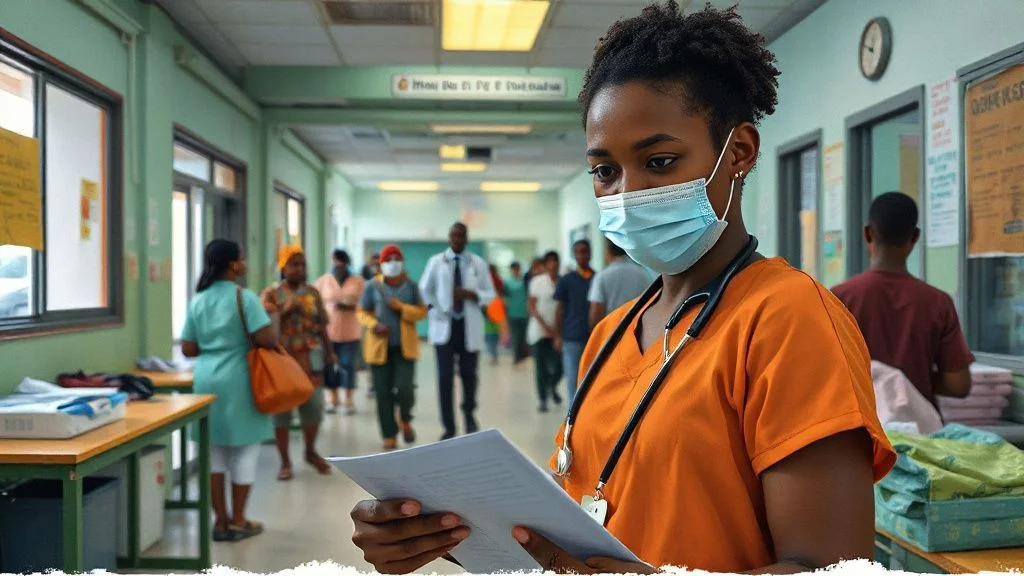
If you suspect an infectious disease, such as a fever with unusual symptoms, the first step is to seek medical attention. Health facilities across Nigeria, including hospitals and clinics, are equipped to diagnose and manage infectious diseases. When a healthcare professional diagnoses a reportable infectious disease, they follow a specific protocol to report it to the NCDC.
Healthcare providers are expected to notify the NCDC after diagnosing a notifiable disease. This notification typically includes details such as the patient's demographic information, symptoms, and the geographical location of the case. Such data is vital for the NCDC to track disease patterns and implement necessary interventions.
Role of Healthcare Facilities
Healthcare facilities are crucial in the chain of reporting infectious diseases. Many hospitals in urban areas have established disease notification systems. These systems are designed to ensure that cases of infectious diseases are logged and reported promptly. For instance, facilities like general hospitals or specialized clinics have trained personnel responsible for disease surveillance and reporting.
Additionally, community health workers often play a pivotal role in reporting diseases from grassroots levels. They are typically the first point of contact for patients and can identify cases that need to be reported. This local level of reporting helps in capturing data that might otherwise be overlooked in larger health facilities.
What Happens After Reporting?
Once a report is received by the NCDC, it initiates an epidemiological investigation to assess the situation. This investigation typically involves gathering more detailed information about the reported case, including potential contacts and the environment in which the disease was contracted. For example, if a case of Lassa fever is reported, the NCDC may conduct a field investigation to identify other individuals who may have been exposed.
Following the investigation, the NCDC evaluates the need for a public health response. This could involve quarantining affected individuals, providing treatment, and implementing measures to control the outbreak. For instance, during the COVID-19 pandemic, the NCDC developed guidelines for testing, treatment, and prevention that were disseminated to healthcare facilities nationwide.
Public Awareness and Communication
Effective communication is essential in managing infectious diseases. The NCDC often issues public health advisories and updates to inform the public about ongoing outbreaks and preventive measures. For expatriates, staying informed through these channels can be crucial. The NCDC's website and social media platforms provide regular updates on disease outbreaks, vaccination campaigns, and health advisories.
Additionally, community engagement initiatives are often implemented to educate the public about infectious diseases and the importance of reporting symptoms. Workshops, health fairs, and outreach programs are common strategies to enhance public awareness and encourage timely reporting of cases.
Challenges in Reporting Infectious Diseases
While the process of reporting infectious diseases in Nigeria is established, several challenges persist. One notable issue is the underreporting of cases, often due to a lack of awareness about the reporting system among healthcare providers and the public. Additionally, stigma associated with certain diseases can deter individuals from seeking medical attention or reporting symptoms.
Infrastructure challenges also play a role; many healthcare facilities may lack the necessary resources to effectively diagnose and report infectious diseases. For instance, in rural areas, limited access to laboratory services can hinder timely diagnosis and reporting. Addressing these challenges requires a concerted effort from the government, healthcare providers, and communities.
Practical Tips for Expatriates
For expatriates living in Nigeria, understanding the local health reporting system is vital. Here are some practical tips:
- Know Your Local Healthcare Providers: Familiarize yourself with nearby clinics and hospitals that can diagnose and report infectious diseases. Many expatriates prefer private hospitals, which often have more resources and better access to laboratory services.
- Stay Informed: Follow the NCDC on social media and sign up for alerts to stay updated on disease outbreaks and health advisories. This will help you understand the current health landscape in your area.
- Seek Medical Attention Promptly: If you experience unusual symptoms, seek medical care immediately. Early diagnosis can be crucial for effective treatment and reporting.
- Engage with Community Health Initiatives: Participate in local health fairs and outreach programs to better understand infectious diseases and how to report them. Engaging with community health workers can also provide valuable insights.
Conclusion
Reporting infectious diseases in Nigeria is a critical process that involves healthcare providers, the NCDC, and the community. By understanding how to report diseases and what happens afterward, expatriates can play an active role in public health management. Timely reporting leads to effective disease control measures and protects not just individual health but the health of the entire community. Remember, staying informed and engaged is key to navigating health challenges while living in Nigeria.