
This guide was synthesized using the latest legislative data and verified by our editorial board. Laws are subject to change; always consult official sources for final confirmation.
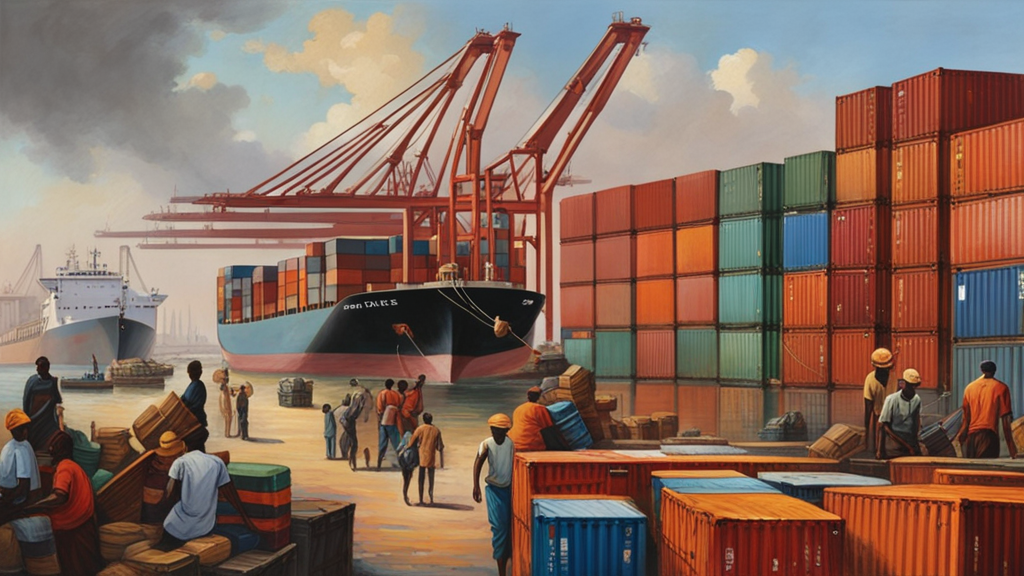
As an expatriate or returning Nigerian professional relocating to Nigeria, understanding marine insurance is crucial, especially when dealing with container shipments to Apapa, one of the busiest ports in Africa. This article provides practical insights into marine insurance options available through Nigerian underwriters, covering aspects like costs, coverage types, and essential considerations for international shipments.
Overview of Marine Insurance in Nigeria
The marine insurance sector in Nigeria is evolving, largely influenced by the country's status as a key maritime hub in the Gulf of Guinea. As of the latest updates, local underwriters are actively participating in the marine insurance market, driven by a need to retain premiums domestically and improve underwriting capabilities. This is particularly relevant for those shipping containers to the Apapa port, which is notorious for its congestion but also vital for international trade.
Marine insurance provides coverage against loss or damage of cargo during transport, whether by sea or air. With Nigeria's unique challenges, including piracy risks and regulatory issues, securing proper insurance is essential for protecting your goods. Local underwriters are increasingly adapting to global standards while also addressing specific risks associated with the Nigerian maritime environment.
Types of Marine Insurance Coverage
1. Cargo Insurance
Cargo insurance is the primary type of marine insurance for container shipments. This coverage protects against risks such as theft, loss, or damage during transit. Many Nigerian underwriters offer this type of policy, which can typically cover various perils, including natural disasters or accidents. When choosing a policy, ensure that it covers the specific types of goods you are shipping and consider additional clauses for risks unique to Nigeria.
2. Hull and Machinery Insurance
This type of coverage is relevant for shipping companies rather than individual shippers. It insures the ship itself against physical damage. If you are using a freight forwarder, it’s good to check if they have hull and machinery insurance to protect your cargo during transport.
3. Liability Insurance
Liability insurance is essential for shippers, particularly in the event of accidents that cause damage to third parties. This can include cargo owners or other vessels. Working with a local underwriter can ensure that your liability coverage complies with Nigerian maritime laws.
Costs and Premiums for Marine Insurance
The cost of marine insurance for containers shipped to Apapa can vary significantly based on several factors, including the value of the cargo, the nature of the goods, and the specific risks involved. Typically, premiums might range between 0.5% to 2% of the insured value. For example, if you are shipping goods valued at 10,000 USD, you could expect to pay between 50 USD and 200 USD in premiums. This calculation uses the canonical exchange rate of 1 USD = 1331.186 NGN, meaning a premium might cost approximately 66,697 NGN to 266,788 NGN.
It's worth noting that additional factors such as war risk, theft, and piracy may attract higher premiums, particularly in the Gulf of Guinea, which is classified as a high-risk zone. Always consult with your local underwriter for a detailed quote based on your specific shipment needs.
Choosing the Right Underwriter
Selecting a reputable Nigerian underwriter is critical for ensuring that your marine insurance needs are met effectively. Here are several key considerations:
- Reputation: Look for underwriters with a proven track record in the marine insurance sector. Check for customer reviews and industry ratings.
- Expertise: Choose underwriters who specialize in marine insurance for cargo, as they are more likely to understand the specific risks associated with shipments to Apapa.
- Claims Process: Investigate how efficient the claims process is. Expats often express frustration over delays in claims settlement, so understanding this aspect can save you from potential headaches later.
- Pricing: While cost shouldn't be the only factor, it is essential to compare premiums and coverage options among different underwriters to ensure you get the best value for your needs.
Practical Tips for Expatriates Shipping to Apapa
As you prepare to ship containers to Apapa, keep these practical tips in mind:
1. Understand Local Regulations
Nigeria has strict regulations regarding maritime operations. Familiarize yourself with local customs and excise laws to avoid unnecessary charges or delays. This might involve consulting with freight forwarders who have experience navigating these regulations.
2. Ensure Proper Documentation
Documentation is critical in marine shipping. Ensure that all necessary documents, such as the bill of lading, commercial invoice, and insurance certificates, are correctly prepared and available. Missing or incorrect documents can result in delays at customs.
3. Collaborate with Local Freight Forwarders
Partnering with local freight forwarders can streamline your shipping process. They can provide valuable insights into the best practices for shipping to Apapa and help manage logistics, including choosing the right insurance coverage.
4. Consider Container Security
Due to the risks of theft and piracy in the region, consider additional security measures for your containers. This can include GPS tracking devices or hiring security personnel to monitor sensitive shipments.
Conclusion
Understanding marine insurance for container shipments to Apapa is vital for expatriates and returning Nigerians. By selecting local underwriters, understanding the types of coverage available, and navigating the associated costs, you can better protect your goods during transit. Always keep in mind practical considerations such as local regulations, proper documentation, and collaborating with experienced freight forwarders. By following these guidelines, you can ensure a smoother shipping experience and secure your investments in Nigeria's dynamic market.
AI-Generated Content: This article was created with AI assistance and may contain inaccuracies. Please verify important information with official sources.
Exchange rate used in this article: 1 USD = 1331.186 NGN (rate as of 2026-10-12T04:40:20.743588+00:00, source: Central Bank of Nigeria (CBN)).
Primary Sources
Last updated: October 2026