
This guide was synthesized using the latest legislative data and verified by our editorial board. Laws are subject to change; always consult official sources for final confirmation.
Importing a motorcycle into Nigeria involves understanding the regulations surrounding okadas, which are subject to specific restrictions in cities like Lagos. Key steps include gathering necessary documentation, engaging a freight forwarder, and familiarizing yourself with local laws regarding motorcycle use. Be aware of designated no-ride zones and potential fines for violations to navigate the process successfully.
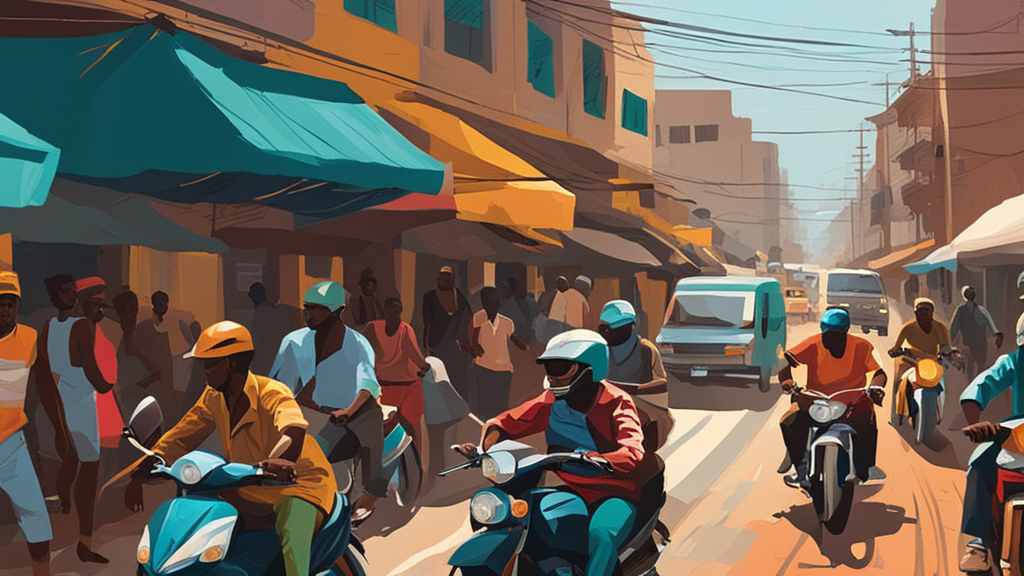
For expatriates relocating to Nigeria, particularly in bustling cities like Lagos and Abuja, understanding how to import a motorcycle can be a game-changer for mobility. Motorcycles, or okadas as they are colloquially known, are not just a mode of transport; they represent a lifestyle choice in Nigeria's urban landscape. However, navigating the importation process and the associated restrictions can be challenging. This article provides a comprehensive guide on importing a motorcycle into Nigeria and understanding the regulatory landscape affecting okadas.
Understanding the Importation Process
Before you begin the process of importing a motorcycle into Nigeria, gather all necessary documentation. You will typically need the motorcycle's original title, proof of purchase, and a shipping invoice. Additionally, ensure you have a valid Nigerian address for customs clearance. It's advisable to engage a reliable freight forwarder who is experienced in handling motorcycle imports. They can guide you through the intricacies of customs regulations and help you avoid common pitfalls.
Shipping and Customs Clearance
Shipping costs can vary significantly based on the motorcycle's size and the shipping service you choose. On average, expect to pay between $1,000 and $1,500 for shipping a motorcycle from North America or Europe to Nigeria, which converts to approximately 1,331,186 NGN to 1,996,779 NGN. Upon arrival, you will need to clear the motorcycle through customs, which involves paying duties and taxes. The import duty for motorcycles is typically around 10% of the total cost, including shipping, so factor this into your budget.
It's essential to understand that Nigeria has specific regulations governing imported motorcycles. As of our last update, motorcycles must meet certain safety and environmental standards. Make sure to acquire a Vehicle Identification Number (VIN) verification from the relevant authorities, which is crucial for registration. Your freight forwarder can assist you with securing this documentation.
- Gather necessary documentation, including the motorcycle's title and proof of purchase.
- Engage a reliable freight forwarder experienced in motorcycle imports.
- Understand the customs clearance process and associated duties, typically around 10% of the total cost.
- Familiarize yourself with local okada restrictions, especially in high-traffic areas.
- Connect with local expat communities for insights on navigating motorcycle culture.
Okada Restrictions in Nigeria
While motorcycles can provide convenient transport, it's important to recognize the restrictions placed on okadas in various Nigerian cities. Lagos, for instance, has implemented significant regulations in recent years. Okadas are banned in several high-traffic areas, including major highways and certain urban districts. This decision stems from safety concerns and the need to reduce traffic congestion.
Current Regulatory Landscape
As of late 2023, the federal government and local authorities have intensified efforts to regulate okada operations. The Lagos State Government, for example, has restricted okadas from operating in designated 'no-ride zones,' which include busy commercial areas such as Victoria Island and Ikoyi. Riders caught violating these restrictions face hefty fines, which can range from approximately 133,119 NGN ($100) to 399,357 NGN ($300), depending on the severity of the infraction.
In contrast, some states and regions, especially in the northern parts of Nigeria, have more lenient regulations regarding motorcycle use. For expatriates, it’s crucial to familiarize yourself with local laws to avoid any legal issues. Your neighborhood may have specific rules, so connecting with local expat communities or forums can provide valuable insights.
Cost of Living and Practical Considerations
Understanding the cost of living in Nigeria is vital for expatriates planning to import a motorcycle. The average monthly salary in Nigeria is around 120,000 NGN, which translates to roughly $90. Therefore, owning and maintaining a motorcycle can be more economical than using taxis or ride-sharing services, especially in cities where traffic congestion is prevalent.
Maintenance and Fuel Costs
Motorcycle maintenance in Nigeria is relatively affordable. Regular servicing typically costs between 20,000 NGN and 50,000 NGN ($15 to $38) depending on the type of service needed. Spare parts are widely available in local markets, and many motorcycle repair shops are equipped to handle a variety of brands and models. Fuel prices are also reasonable, with petrol costing about 190 NGN per liter, which is approximately $0.14, making it budget-friendly for daily commuting.
What Expats Should Know
As an expatriate, navigating Nigeria's unique motorcycle culture requires some adaptation. Here are practical tips to ease your transition:
- Driving License: Ensure you have an international driving permit or a Nigerian motorcycle license, as local authorities may request proof of your ability to operate a motorcycle legally.
- Safety Gear: Invest in quality safety gear, including a helmet, gloves, and protective clothing. Accidents can happen, and being prepared is essential.
- Local Riding Culture: Familiarize yourself with the local riding culture. Motorcycle taxis, or okadas, often weave through traffic at high speeds. Adapting to this riding style can be challenging at first.
- Community Connections: Join local expat groups or forums. Connecting with other expatriates can provide valuable tips on navigating the motorcycle landscape, including the best repair shops and fuel stations.
Conclusion
Importing a motorcycle into Nigeria opens up a world of convenience and freedom, particularly for expatriates living in major cities. However, understanding the associated restrictions on okadas and local regulations is essential for a smooth transition. With the right preparation, knowledge of the local landscape, and an awareness of safety considerations, you can enjoy the unique experience of riding in Nigeria while avoiding potential pitfalls. Embrace the journey and discover how a motorcycle can enhance your life in this vibrant country.
AI-Generated Content: This article was created with AI assistance and may contain inaccuracies. Please verify important information with official sources.
Exchange rate used in this article: 1 USD = 1331.186 NGN (rate as of 2026-10-12T04:40:20.743588+00:00, source: Central Bank of Nigeria (CBN)).