
This guide was synthesized using the latest legislative data and verified by our editorial board. Laws are subject to change; always consult official sources for final confirmation.
The 100 percent examination regime at Apapa Port requires every container to undergo thorough inspection by Nigerian Customs. This process enhances security and compliance but can significantly extend clearance times. To navigate this effectively, ensure all documentation is prepared in advance and engage a licensed clearing agent to facilitate the process.
Relocating to Nigeria or managing imports can be a complex task, especially when it comes to navigating the customs clearance process at Apapa Port in Lagos. With the introduction of a 100 percent examination regime, understanding the ins and outs of container inspection has become essential for expatriates and returning Nigerians alike. This article will provide detailed insights into the customs inspection process, including practical tips to ensure a smooth experience.
Overview of Apapa Port and Its Importance
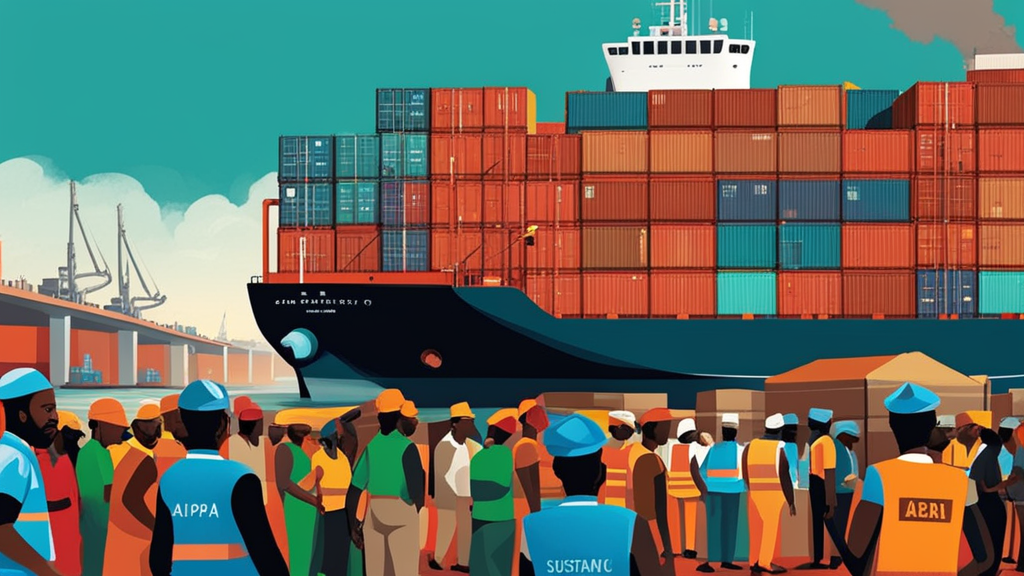
Apapa Port is Nigeria's busiest seaport, accounting for a significant portion of the country's containerized imports. The port is strategically located in Lagos, a commercial hub that connects international trade with local markets. Each year, thousands of containers pass through Apapa, making it crucial for importers to understand the inspection and clearance processes to avoid delays and unexpected costs.
The recent implementation of a 100 percent examination regime means that every container entering the port is subject to thorough inspection by Nigerian Customs. This policy aims to enhance security and ensure compliance with import regulations, but it can also extend clearance times significantly. For international professionals and returning-diaspora Nigerians, being prepared is key to navigating this new landscape.
The Container Inspection Process
The inspection process at Apapa Port is multi-step and requires meticulous attention to detail. Here’s a breakdown:
1. Documentation Preparation
Before your container even arrives at the port, it's crucial to have all necessary documentation ready. The essential documents include:
- Commercial Invoice: This should detail the value, description, and quantity of goods. Ensure it aligns with your Form M.
- Packing List: A detailed breakdown of contents, weights, and measurements is necessary for the inspection process.
- Bill of Lading (B/L): This document acts as the "title" to your cargo and is crucial for ownership verification.
- Form M: This should be opened at your bank before shipping and must match the details on your commercial invoice.
- Combined Certificate of Value and Origin (CCVO): This confirms the goods' origin country and value, important for tariff assessments.
Failing to prepare these documents beforehand can lead to extensive delays and additional costs, as demurrage charges begin accumulating once your container arrives.
2. Engage a Licensed Clearing Agent
By law, only a licensed customs agent can process clearance on your behalf. It's advisable to engage a reputable agent early in the process, ideally before your vessel departs from the origin port. An experienced clearing agent will manage the documentation and ensure that all forms are filled out correctly, reducing the risk of discrepancies that could delay your clearance.
Understanding the 100 Percent Examination Regime
The 100 percent examination regime means that every container will undergo a physical inspection or a scanning examination. Here’s what to expect:
1. Physical Examination
If selected for physical examination, customs officials will open your container to inspect its contents thoroughly. This process typically adds 2-5 working days to your clearance timeline. The presence of your clearing agent during this examination is crucial; they can facilitate communication and ensure that the inspection goes smoothly.
During the inspection, officials look for compliance with all import regulations, including the accuracy of the documentation and the actual contents of the container. It's not uncommon for discrepancies to lead to further investigations, which can extend clearance times significantly.
2. Scanning Examination
In some cases, customs may opt for a scanning examination instead of a physical one. New scanning technology has been installed at Apapa, allowing customs officials to process up to 200 containers an hour. This method aims to streamline the inspection process while maintaining security. However, the likelihood of being selected for scanning still exists, and results can lead to a request for physical examination if any discrepancies are noted.
- Prepare all necessary documentation before arrival, including invoices and packing lists.
- Engage a licensed clearing agent early to manage the customs clearance process.
- Understand that every container will undergo either a physical or scanning examination.
- Be aware that physical examinations can add 2-5 working days to clearance times.
- Pay customs duties promptly through designated bank channels to avoid extra charges.
- Arrange for haulage and terminal release after duty payment to collect your container.
Post-Inspection Steps
Once the inspection is complete, the next steps involve duty assessment and payment. Your clearing agent will guide you through this process:
1. Duty Assessment and Payment
After the inspection, you will receive a duty assessment detailing the customs duty owed. Payment must be made through designated bank channels, and it is illegal to pay customs duty in cash. Ensure that your payment is made promptly to avoid additional charges.
Be aware that the customs duty is calculated based on the CIF (Cost, Insurance, and Freight) value of the goods, which can be influenced by the current exchange rate set by the Central Bank of Nigeria (CBN). As of our last update, the exchange rate is 1 USD = 1331.186 NGN, which can significantly impact the total amount due.
2. Terminal Release and Collection
Once the duty is paid and customs has signed off, your agent will obtain the terminal delivery order from the shipping line. This order is essential for collecting your container from the terminal. You will need to arrange for haulage, ensuring that you have a reliable truck ready for transport. Depending on whether you imported on a Full Container Load (FCL) or Less than Container Load (LCL) basis, the logistics may vary.
Practical Tips for Expats
To facilitate a smoother experience with the 100 percent examination regime at Apapa, consider the following insider tips:
- Start Early: Engage your clearing agent 2-3 weeks before your vessel's arrival to ensure all documentation is in order.
- Monitor Vessel ETA: Stay updated on your vessel's estimated time of arrival (ETA) and be prepared to act immediately upon its arrival.
- Check Regulatory Compliance: Ensure that you have all necessary regulatory clearances (such as NAFDAC or SON) well in advance to avoid delays.
- Maintain Clear Communication: Keep in touch with your clearing agent throughout the process for real-time updates and guidance.
- Document Everything: Keep copies of all correspondence and documents submitted; they may be useful in case of discrepancies.
Conclusion
Navigating the container inspection process at Apapa Port under the 100 percent examination regime can be daunting, but with the right preparation and support, you can minimize delays and avoid unexpected costs. By ensuring your documentation is complete, engaging a licensed clearing agent early, and understanding the inspection process, you will be better equipped to handle the complexities of customs clearance in Nigeria. Staying informed and proactive will ultimately make your experience smoother and more efficient.
AI-Generated Content: This article was created with AI assistance and may contain inaccuracies. Please verify important information with official sources.
Exchange rate used in this article: 1 USD = 1331.186 NGN (rate as of 2026-10-11T04:40:22.399800+00:00, source: Central Bank of Nigeria (CBN)).