When relocating to Nigeria or managing finances as an expatriate, understanding the currency exchange landscape is crucial. The gap between the official window rate and the street quote can significantly impact your financial decisions. This article delves into how these rates are calculated, the factors influencing them, and what expatriates need to know to navigate the currency market effectively.
What can we help you with?
Three short questions, then just how to reach you. No account needed.
What Are Official and Street Exchange Rates?
The official exchange rate, often referred to as the window rate, is the rate set by the Central Bank of Nigeria (CBN) and is primarily used by banks and licensed dealers for transactions. In contrast, the street rate, also known as the black market rate or parallel market rate, is the rate at which individuals and businesses trade currency outside of official channels. This rate is typically higher than the official rate due to demand and supply dynamics in the market.
Official Window Rate Calculation
The official window rate is determined by the Nigerian Foreign Exchange Market (NFEM), which operates on a "willing buyer, willing seller" basis. This means that the rate is influenced by market forces rather than being set arbitrarily by the CBN. As of 2026-11-10, the official rate is 1 USD = 1349.34 NGN (source: Central Bank of Nigeria, NFEM rates). The CBN conducts regular auctions and interventions to stabilize the naira, but the actual rate can fluctuate based on economic conditions.
Factors that influence the official rate include foreign reserves, inflation rates, and overall economic stability. The CBN aims to maintain a stable currency to promote economic growth, but external factors such as oil prices and global economic conditions can create volatility.
Street Rate Calculation
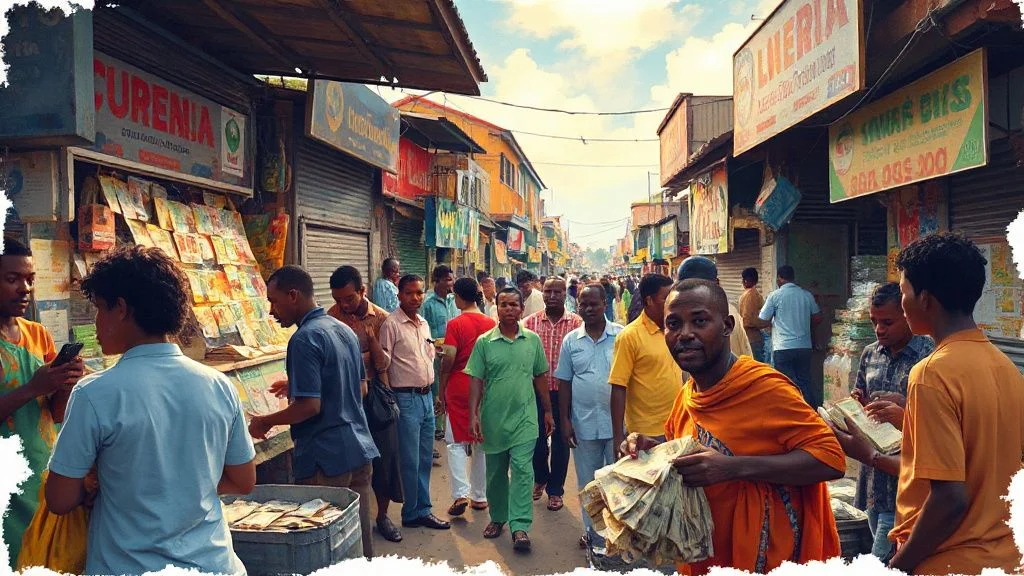
The street rate is influenced by various factors that differ from those affecting the official rate. This rate is determined by supply and demand in the informal market, where individuals and businesses buy and sell foreign currency without the regulatory oversight of the CBN. The street rate can vary significantly from one location to another and can change rapidly based on market sentiment.
For example, on 11 September 2026, the street rate was reported to be between 1380 NGN and 1390 NGN per USD, reflecting a premium over the official rate. This gap exists because many individuals and businesses require dollars for urgent transactions that cannot wait for the slower official processes, leading them to pay a premium in the street market.
Why Is There a Difference Between the Official and Street Rates?
The primary reason for the disparity between the official and street rates is the difference in accessibility and demand. The official market is limited to banks and licensed dealers, who have to adhere to strict regulations and documentation requirements. In contrast, the street market operates on a cash basis, allowing for quicker transactions without the need for extensive paperwork.
Moreover, the demand for dollars often exceeds the supply available through official channels. Many Nigerians rely on remittances from abroad, which are often exchanged at street rates. This high demand, coupled with limited supply, drives up the street rate, creating a significant gap between the two rates.
Who Can Access the Official Rate?
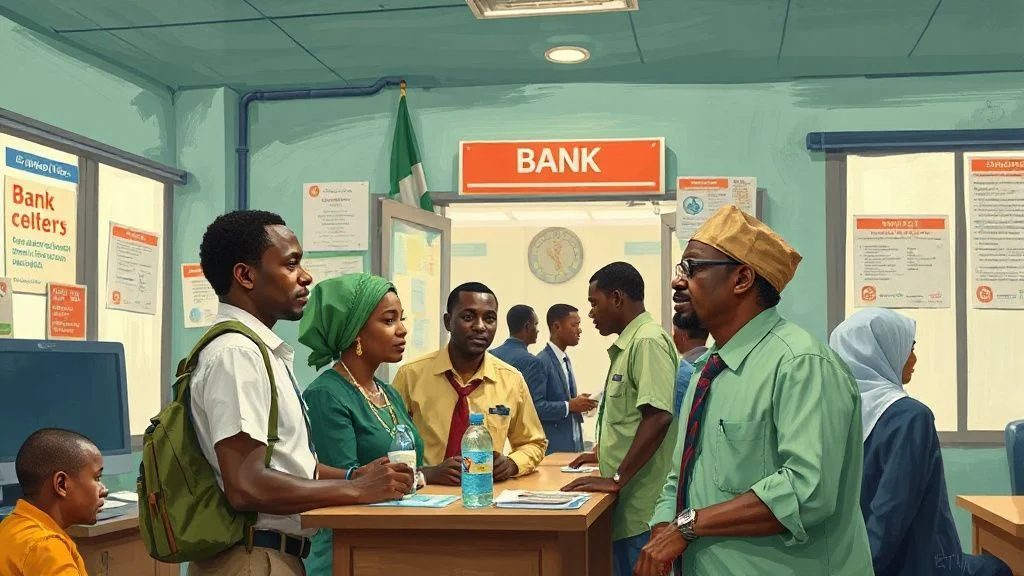
Access to the official rate is restricted to banks, licensed bureaux de change, and approved dealers. Individuals cannot directly purchase currency at the official rate; they must go through a bank, which may add its margin to the rate. This means that even if the official rate is lower, the rate you receive from your bank may be higher due to these additional fees.
Furthermore, the official rate is primarily available for specific purposes, such as importation of goods, educational expenses abroad, or medical treatments. For personal transactions, individuals often find themselves relying on the street rate, which can be more accessible but also more expensive.
Practical Tips for Expatriates and Returning Nigerians
Understanding the dynamics of the official and street rates is essential for expatriates and returning Nigerians. Here are some practical tips:
- Monitor Rates Regularly: Keep an eye on both the official and street rates to make informed decisions about currency exchange. Websites and financial news outlets often provide daily updates.
- Consider Timing: If you need to exchange a large sum, timing can significantly impact the amount you receive. Try to exchange when the street rate is favorable compared to the official rate.
- Use Licensed Dealers: For transactions that qualify for the official rate, always use licensed dealers to avoid potential scams and ensure compliance with regulations.
- Plan for Hidden Costs: Be aware of additional costs such as transaction fees, import duties, and potential currency exchange fees that can affect your overall budget.
Conclusion
The gap between the official window rate and the street quote in Nigeria is influenced by various factors, including demand, accessibility, and regulatory frameworks. For expatriates and returning Nigerians, understanding these rates is crucial for effective financial planning. By staying informed and strategically timing currency exchanges, you can navigate Nigeria's currency landscape more effectively.