Obtaining a driver’s licence in Nigeria is a crucial step for expatriates and returning Nigerians looking to navigate the bustling streets of cities like Lagos and Abuja. Understanding the timeline and process involved can help streamline your experience and ensure you are legally compliant while driving. This article will detail the steps involved in acquiring a driver’s licence through the Federal Road Safety Corps (FRSC), the expected timeframes, and practical advice for a smooth application process.
What can we help you with?
Three short questions, then just how to reach you. No account needed.
Understanding the Process of Obtaining a Driver's Licence
The figure most people quote is 60 days, and it is worth knowing where it comes from before you plan around it. Sixty days is the period for which the temporary licence is issued, and it is also the target the Federal Road Safety Corps has set for itself: the Corps has stated publicly that obtaining or renewing a driver licence should not exceed 60 days. It is a target rather than a guarantee, and the Corps announced in October 2025 a change intended to do away with the temporary licence altogether. Both points are taken up at the end of this article. The steps themselves are these:
Step 1: Driving School Training
Before applying for a driver’s licence, first-time applicants must undergo training at an accredited driving school. This training is essential as it equips applicants with the necessary skills to drive safely and confidently on Nigerian roads. The training typically lasts for about 26 sessions, covering both theoretical and practical aspects of driving.
It is crucial to ensure that the driving school you choose is accredited by the FRSC. You can verify the list of accredited driving schools on the FRSC website or through their official portal. This step is vital as it guarantees that you receive standardized training, which is essential for passing the subsequent driving test.
Step 2: Driving Test
Upon completion of your training, the driving school will present you to the Vehicle Inspection Officer (VIO) for a driving test. This test assesses your ability to handle a vehicle and adhere to traffic rules. If you pass the driving test, the VIO will issue you a certificate of proficiency, which is necessary for the next steps in the application process.
It’s important to prepare adequately for this test. Familiarize yourself with local traffic laws, and practice driving in various conditions to ensure you are ready. If you do not pass the test, you will need to wait for at least one calendar month before you can retake it.
Application Process for Driver's Licence
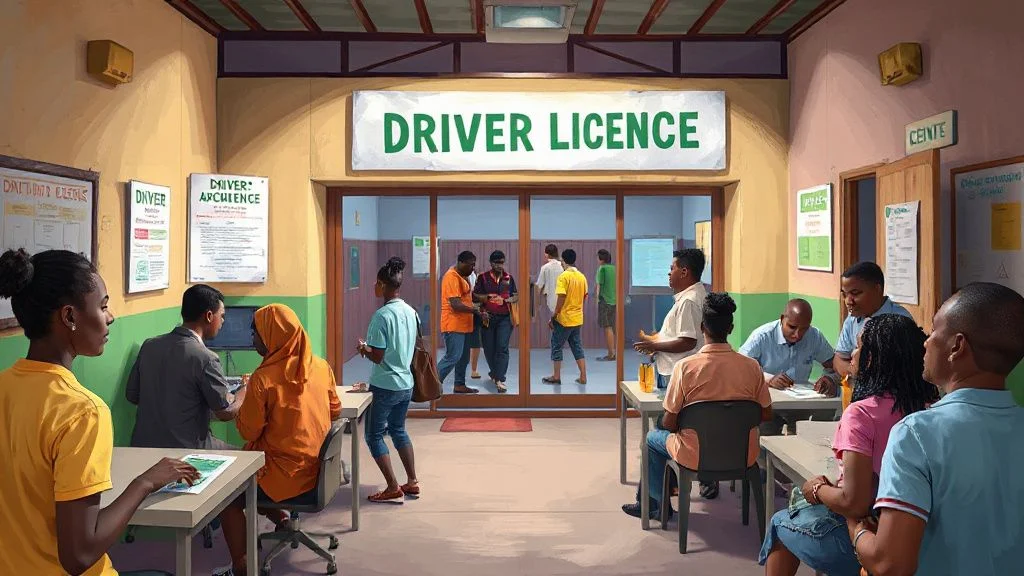
Once you have your certificate of proficiency, you can proceed to fill out the driver's licence application form. This form can be completed online at the FRSC portal or in person at a Driver’s Licence Centre (DLC).
Step 3: Payment of Licence Fees
After filling out the application form you pay the licence fee, which depends on the validity period you apply for. The figures that circulate most widely, around N10,350 for three years and N15,450 for five, date from April 2024 and are no longer current. With effect from 8 June 2025 the Joint Tax Board approved new rates for the national driver licence: N15,000 for a three-year licence and N21,000 for five years for a motor vehicle, with N7,000 and N11,000 respectively for motorcycles and tricycles. The Board attributed the increase to enhanced security features in the licence and the number plate and to higher production costs. Confirm the amount on the FRSC portal before you pay, because fee notices for this service have been revised more than once and this article cannot read that page directly. Keep the payment receipt: it is required at the next step.
Step 4: Application Endorsement
After payment, present your completed application form and payment receipt to the BIR Officer and VIO at the DLC for review and endorsement. This step is crucial as it ensures that all your details are correct and comply with legal requirements.
Step 5: Biometric Data Capture
Once your application is endorsed, you will proceed to the FRSC Officer at the DLC for biometric data capture. This involves taking your photograph and fingerprints, which will be stored in a central database for identification and security purposes. This step is essential for the issuance of your driver’s licence.
Step 6: Temporary Driver’s Licence
After your biometric data has been captured you are issued a temporary driver licence valid for 60 days, which lets you drive legally while the plastic card is produced. Carry it with you until the permanent licence is in your hand. This is the step the Corps said in October 2025 it intends to remove: on 20 October 2025 the Corps Marshal, Shehu Mohammed, presented a contactless biometric capture system during an inspection of the biometric screening centre in Abuja, described as designed to eliminate the use of temporary licences and long waiting periods, ahead of a launch in November 2025. Check at the centre whether you are being processed under the old route or the new one, because it changes what you walk out with.
Step 7: Collection of Original Driver’s Licence
After the 60 days you collect the permanent licence from the office where you were captured, bringing your temporary licence and the documents you were told to bring. Do not wait to be told it is ready. There is no published obligation on the Corps to explain a delay to you, and its own commands have had to urge drivers to check on their licences themselves rather than wait for a notification. The scale of that is on the record: FRSC commands have reported tens of thousands of permanent licences lying uncollected, and an investigation by the International Centre for Investigative Reporting found applicants waiting well past the 60 days, in some cases long enough for the temporary licence to expire first.
Common Pitfalls and How to Avoid Them
While the process is straightforward, there are common pitfalls that applicants may encounter. Here are some tips to help you avoid these issues:
- Choosing an Unaccredited Driving School: Always verify the accreditation of the driving school before enrolling. This ensures that you receive quality training and are eligible for the driving test.
- Incomplete Documentation: Ensure that you have all required documents, including your certificate of proficiency, payment receipt, and identification documents, before visiting the DLC.
- Missing Appointments: Be punctual for your appointments at the DLC, especially for biometric data capture and driving tests. Missing these appointments can lead to delays in your application.
- Payment Issues: Make payments through authorized channels only to avoid complications during the verification process. Keep all payment receipts as proof of transaction.
Practical Tips for Expatriates and Returning Nigerians
For expatriates and returning Nigerians, navigating the process of obtaining a driver’s licence can be daunting. Here are some practical tips to make the process smoother:
- Familiarize Yourself with Local Driving Laws: Understanding Nigeria’s traffic laws and road signs is crucial. Take time to study the Highway Code to prepare for your driving test.
- Consider Language Barriers: If you are not fluent in English or local languages, consider bringing a translator or a friend who can assist you during the application process.
- Plan Your Visits: The DLC can be busy, especially during peak hours. Plan your visits during off-peak times to avoid long queues and delays.
- Stay Informed: Regularly check the FRSC website for updates on the application process, fees, and any changes in regulations that may affect your application.
Conclusion
So the honest answer to how long it takes is this: 60 days is the Corps target and the life of the temporary licence, not a promise, and in practice it is often longer. Three things are worth doing with that. Budget on the fees that took effect on 8 June 2025 rather than on the older figures, and confirm them on the portal. Treat the temporary licence as your driving document and keep it on you, while checking whether the contactless route announced in October 2025 now applies at your centre. And after 60 days, go and ask rather than wait, because nothing obliges anyone to call you and uncollected licences sit in offices across the country.
Primary Sources
Last updated: November 2026