Relocating to Nigeria or returning as a diaspora Nigerian can present unique challenges, especially when dealing with financial institutions. One of the most critical institutions you will interact with is the Central Bank of Nigeria (CBN). Understanding the waiting times for various services can help you plan better and avoid unnecessary delays. This article will explore the typical waiting times at the CBN, the processes involved, and practical tips to navigate these efficiently.
What can we help you with?
Three short questions, then just how to reach you. No account needed.
Understanding the Central Bank of Nigeria
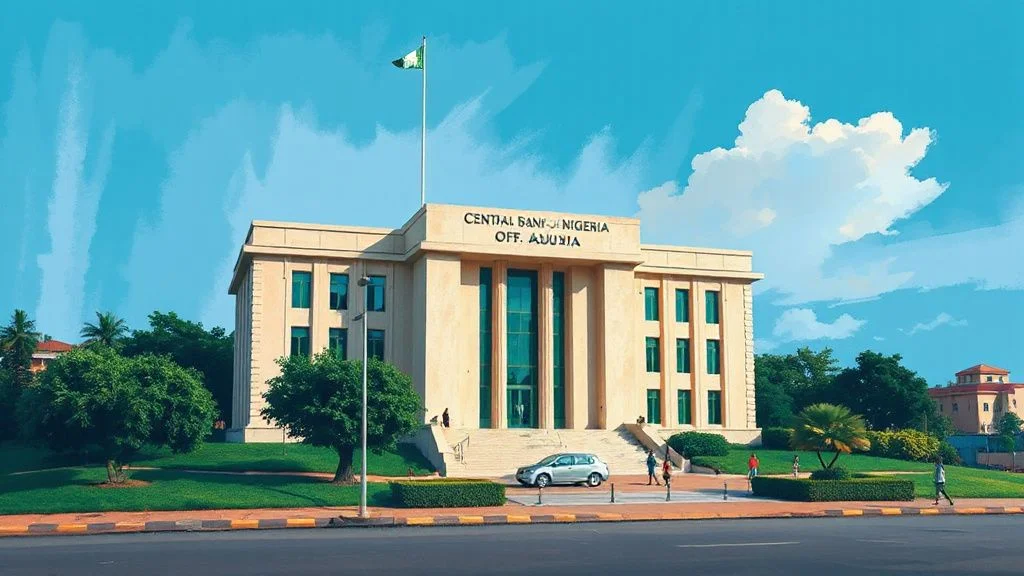
The Central Bank of Nigeria, established in 1958, serves as the apex financial institution in Nigeria. It regulates the country’s monetary and financial system, ensuring stability and growth. The CBN oversees commercial banks, microfinance banks, and other financial institutions, playing a crucial role in the economy. However, interacting with the CBN can sometimes involve long waiting times, depending on the service required.
Types of Services Offered by the CBN
The CBN provides various services, including currency issuance, monetary policy formulation, and financial regulation. For expatriates and returning Nigerians, the most relevant services may include:
- Opening a bank account
- Currency exchange
- Accessing loans and credit facilities
- Obtaining certificates for business registration
Each of these services has its own processing times, which can vary significantly based on several factors, including the complexity of the request and the volume of applications being processed at any given time.
Typical Waiting Times at the CBN
While the CBN aims to provide efficient services, waiting times can vary widely. Here’s a breakdown of typical waiting times for some common services:
1. Opening a Bank Account
Note first what the Central Bank is and is not. The CBN is the regulator and the banker to the banks and to the federal government; it does not open accounts, change money or lend to members of the public, and nothing on this page should send you to its counter for those. Opening an account is done at a commercial bank the CBN regulates, and with identification, proof of address and a Tax ID in order it is usually finished the same day. The Tax ID is no longer optional paperwork: section 8(2) of the Nigeria Tax Administration Act 2025 requires a bank to obtain one both to open an account and to keep it open. However, if there are any discrepancies or if additional verification is needed, it may take longer.
For expatriates, it is advisable to contact the bank ahead of time to confirm the specific requirements, as some banks may have additional documentation needs for foreign nationals. This proactive approach can help minimize waiting times.
2. Currency Exchange
The CBN does not sell foreign currency over a counter to the public. Currency is bought and sold at a commercial bank or at a licensed Bureau de Change, both of which operate under CBN rules, and the documentation a bank asks for rises with the amount and with the purpose, so ask your own branch what it wants before you travel to it. There is no published waiting time for this because there is no CBN queue to join.
The CBN does publish official exchange rates, daily, on its own website, and those are the rates its regulated institutions work from. What you are quoted at a bank counter or a Bureau de Change will differ from the official rate, so check the published rate first and treat the difference as the price of the transaction.
3. Accessing Loans and Credit Facilities
The CBN does not lend to individuals or to businesses. It lends to banks, and the intervention schemes it announces are disbursed through those banks, which apply their own credit assessment on top. So the queue you are actually standing in is your bank's, not the central bank's, and the time it takes is set by that bank's credit process.
Have proof of income, a business plan where one applies and your recent financial statements ready before you start, and put the questions to the bank that would actually lend to you. Asking the central bank about a loan application costs you the time it takes to be sent somewhere else.
4. Obtaining Certificates for Business Registration
Registering a business in Nigeria is not a CBN matter at all. Incorporation is done at the Corporate Affairs Commission, which is the companies registry, and that is where the certificate of incorporation comes from. The document that does involve the banking system is the Certificate of Capital Importation, which your bank issues for capital you bring into the country and which you will need later if you want to repatriate dividends or capital. Ask the bank that receives the inflow to raise it at the time of the inflow, not afterwards.
Send a complete and accurate application, and follow it up with the body that is actually handling it: the Corporate Affairs Commission for the incorporation, your bank for the Certificate of Capital Importation. Following up with the central bank on either of those will not move them.
Practical Tips for Navigating the CBN
Understanding the processes and typical waiting times at the CBN can help you manage your expectations and plan accordingly. Here are some practical tips to navigate the system more efficiently:
1. Prepare Your Documentation
Before visiting the CBN or any commercial bank, ensure that you have all required documents ready. This includes identification, proof of address, tax identification number, and any other relevant paperwork. Having everything in order can significantly reduce waiting times.
2. Contact the CBN Directly
If you have specific questions or concerns, don’t hesitate to reach out to the CBN directly. They have various contact methods, including phone and email, which can provide you with immediate answers and help you avoid unnecessary trips.
This is where the Central Bank does have a queue of its own, and it is the one worth knowing about. Complaints go to your bank first: the bank must take the complaint and give you a tracking number, and if it has not acknowledged within three days, or it lets the resolution run past the time it quoted you, you may escalate to the CBN Consumer Protection Department at [email protected]. The CBN guidance puts a general resolution window at around two weeks. This has teeth: under the Consumer Protection Regulations of 2019 a bank that fails to resolve within the prescribed timeline is liable to 500,000 naira per complaint for every week the failure continues, and one that fails to acknowledge or to issue a tracking number is liable to 2,000,000 naira. Keep the tracking number; without it you have no case to escalate. The contacts page at cbn.gov.ng lists the current telephone lines, among them +234 817 665 7060 and +234 707 338 4828; other numbers circulate in press reports, so take the line from the contacts page on the day you call.
3. Visit During Off-Peak Hours
To minimize waiting times, try to visit the CBN during off-peak hours. Typically, early mornings or late afternoons are less busy. Avoiding Mondays and Fridays can also help, as these days tend to see higher foot traffic.
4. Follow Up Regularly
If you have submitted an application or are waiting for a service, make it a habit to follow up regularly. This can help keep your request on the radar and may expedite the process. Be polite and professional in your communications, as this can positively influence the response you receive.
Common Pitfalls to Avoid
While navigating the CBN, there are several common pitfalls that you should be aware of:
1. Incomplete Applications
One of the most common reasons for delays is submitting incomplete applications. Ensure that you double-check all forms and documents before submission. If in doubt, consult with a local expert or bank representative.
2. Ignoring Updates
The CBN may occasionally update its processes or requirements. Stay informed by regularly checking their official website or subscribing to their newsletters. This can help you avoid surprises and ensure that you are following the latest guidelines.
3. Failing to Keep Copies
Always keep copies of any documents you submit, along with receipts for payments made. This can be invaluable if there are any disputes or if you need to reference your submission later.
Conclusion
Understanding how long the Central Bank of Nigeria keeps you waiting for various services is crucial for expatriates and returning Nigerians. By preparing your documentation, contacting the CBN directly, and following practical tips, you can navigate the system more efficiently. Remember to stay informed about updates and avoid common pitfalls to ensure a smoother experience. With the right approach, you can minimize waiting times and make the most of the services offered by the CBN.