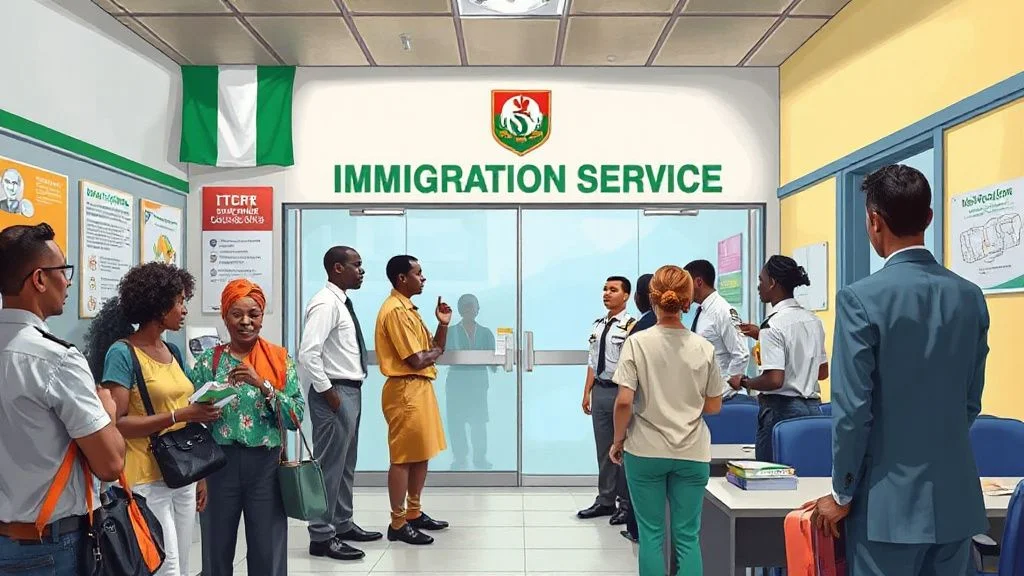
When dealing with immigration matters in Nigeria, expatriates and returning-diaspora Nigerians may encounter situations that require lodging a complaint with the Nigeria Immigration Service (NIS). Understanding how these complaints are handled can significantly ease the process and ensure that your concerns are addressed efficiently. This article will provide a detailed overview of the complaint process, including how to file a complaint, expected timelines, and practical tips to enhance your experience.
What can we help you with?
Three short questions, then just how to reach you. No account needed.
Understanding the Nigeria Immigration Service
The Nigeria Immigration Service is the government agency responsible for managing immigration affairs in Nigeria. This includes the issuance of visas, passports, and residency permits, as well as the enforcement of immigration laws. Given the complexity of immigration regulations and the diverse needs of expatriates, the NIS has established protocols for addressing complaints and inquiries.
Complaints can arise from various issues, such as delays in processing applications, unsatisfactory service at immigration offices, or misunderstandings regarding immigration policies. Knowing how to navigate the complaint process can help you resolve these issues more effectively.
How to File a Complaint
Filing a complaint with the Nigeria Immigration Service involves several steps. Below is a comprehensive guide to help you through the process.
Step 1: Identify the Nature of Your Complaint
Before filing a complaint, clearly identify the nature of your issue. Common complaints include:
- Delays in visa or residency permit processing
- Unsatisfactory customer service from immigration officials
- Issues with expired passports or travel documents
- Miscommunication regarding immigration policies
Understanding the specifics of your complaint will help you articulate your concerns more effectively when you reach out to the NIS.
Step 2: Gather Relevant Documentation
Collect all relevant documentation that supports your complaint. This may include:
- Copies of your visa or residency permit application
- Receipts of payment for services rendered
- Correspondence with NIS officials
- Any other documents that substantiate your claims
Having these documents on hand will make it easier for the NIS to address your complaint and provide a resolution.
Step 3: Contact the Nigeria Immigration Service
Once you have identified your complaint and gathered the necessary documentation, you can contact the NIS. There are several ways to lodge your complaint:
- In writing to the SERVICOM unit: The Service Level Agreement lists written complaints to its SERVICOM unit as one of the official redress mechanisms, and publishes the address to use on the Service website. Give your full name, your contact details, the reference number of the application concerned and a dated description of what went wrong.
- Through the Contact Centre: The Service Level Agreement publishes call centre lines for complaint resolution and redress, staffed Monday to Friday from 08:00 to 16:00 local time, with the current numbers listed in the agreement itself on the Service website.
- At a service window, a SERVICOM desk or a complaint box: The agreement names the Contact Centre, the SERVICOM desk officers, the heads of the service windows and the complaint boxes as official mechanisms, and asks you to try the service window where the matter arose before escalating. Separately, the NIS Reform Champion is reachable around the clock through the ReportGov portal of the Presidential Enabling Business Environment Council.
Regardless of the method you choose, ensure that you provide all relevant details to facilitate a swift response.
What Happens After You File a Complaint?
After submitting your complaint, the NIS will initiate a review process. Here’s what you can typically expect:
Initial Acknowledgment
The agreement does not promise a separate acknowledgment of receipt. What it promises is the resolution itself inside a fixed period, and notification if that period cannot be met. It also commits the Service to give the applicant appropriate notification of every scheduled approval or rejection, so a decision on your underlying application should reach you whether or not you complained.
Investigation of the Complaint
The Service then looks into the complaint. Where the matter cannot be settled by the officer handling it, the agreement provides that it is escalated to the supervising officer of the unit, and the helpdesk team at the service windows decides whether a question needs escalating beyond what that window can do. You may be contacted for further information while that is going on.
Resolution and Response
Once the investigation is complete, the NIS will provide you with a response outlining their findings and any actions taken. This response may include:
- An explanation of the situation
- Details of any corrective measures implemented
- Recommendations for further action, if necessary
It is essential to keep a record of all communications with the NIS, including dates and names of officials you spoke with, as this information may be useful if further action is required.
Timelines for Complaint Resolution
There is one published figure here, and it is short. The Service Level Agreement of April 2026 states, under conflict resolution, that the turnaround time for the resolution of complaints received through any of its complaints and grievance redress mechanisms is three working days, which it puts at 72 hours, and that the complainant will be informed if the complaint cannot be resolved within that time. In practice that gives you:
- Resolution of the complaint: three working days, 72 hours, counted from receipt through one of the official mechanisms.
- If it cannot be resolved in that time: the agreement does not give a second deadline, but it does oblige the Service to tell you that the first one will not be met. That notice is the thing to ask for once 72 hours have passed.
- Escalation: to the supervising officer of the unit where customer service has not resolved the matter to your satisfaction, and in parallel through the ReportGov portal to the Reform Champion. No deadline is published for either step.
Be aware that during peak periods, such as visa application seasons, response times may be longer. Patience is key, but if you feel your complaint is not being addressed, do not hesitate to follow up.
Common Pitfalls to Avoid
When filing a complaint with the NIS, there are several common pitfalls to avoid:
- Insufficient Documentation: Ensure that you provide all relevant documents to support your complaint. Incomplete submissions can lead to delays.
- Lack of Clarity: Be clear and concise in your description of the complaint. Vague complaints are harder to address.
- Ignoring Follow-Up: If you do not receive a timely response, follow up. Persistence can be crucial in ensuring your complaint is taken seriously.
Practical Tips for Expats
As an expatriate navigating the Nigerian immigration system, here are some insider tips to enhance your experience:
- Stay Informed: Familiarize yourself with the latest immigration policies and procedures by regularly checking the NIS website. Changes can occur, and being informed can help you avoid complications.
- Network with Other Expats: Join expatriate groups or forums where you can share experiences and gather advice on dealing with immigration issues. Fellow expats can provide valuable insights and support.
- Consult Professionals: If your complaint involves complex legal issues, consider consulting an immigration lawyer or a licensed professional who specializes in Nigerian immigration law. They can provide tailored advice and assist with your case.
Conclusion
Filing a complaint with the Nigeria Immigration Service can be a straightforward process if you understand the steps involved. By clearly identifying your complaint, gathering necessary documentation, and following the proper channels, you can effectively communicate your concerns. Remember to be patient during the investigation process and to follow up if necessary. With the right approach, you can navigate the complexities of the Nigerian immigration system and ensure that your voice is heard.