Obtaining a driver's licence in Nigeria is a structured process governed by the Federal Road Safety Corps (FRSC). This article outlines the requirements and steps necessary to secure a driver's licence, whether you are a first-time applicant or seeking to renew an existing licence. Understanding these requirements will help ensure a smooth application process.
What can we help you with?
Three short questions, then just how to reach you. No account needed.
Eligibility Criteria for a Driver's Licence
To apply for a driver's licence in Nigeria, applicants must meet specific eligibility criteria set by the FRSC. Firstly, the applicant must be at least 18 years old, which is the minimum legal age for driving in Nigeria. This age requirement ensures that all drivers possess the maturity and responsibility necessary for operating a vehicle safely.
In addition to the age requirement, applicants must also complete training at an accredited driving school. This training is crucial as it equips individuals with the necessary skills and knowledge to navigate Nigerian roads safely. The FRSC maintains a list of certified driving schools, which can be accessed through their official website.
Steps to Obtain a Driver's Licence
1. Driving School Training
The first step in obtaining a driver's licence is to enroll in an accredited driving school. The training typically consists of 26 sessions, covering both theoretical and practical aspects of driving. Upon successful completion of the training, the driving school will issue a certificate of completion, which is essential for the next steps in the application process.
2. Driving Test
After receiving the certificate of completion, the applicant must undergo a driving test administered by the Vehicle Inspection Officer (VIO). This test assesses the applicant's ability to operate a vehicle and adhere to traffic regulations. If successful, the VIO will issue a certificate of proficiency, which is required for the driver's licence application.
Application Process for a Driver's Licence
3. Filling Out the Application
Once the applicant has the certificate of proficiency, they can proceed to fill out the driver's licence application form. This form can be completed online or in person at a Driver's Licence Centre (DLC). It is essential to ensure that all information provided is accurate and complete to avoid delays in processing.
4. Payment of Fees
After submitting the application form you pay the licence fee, and this is the part of the process where published figures go out of date fastest. The fee structure for driver's licences was revised upward with effect from 2025, following approval by the Joint Tax Board, so any amount quoted from 2024 or earlier has been superseded. What you pay also depends on two things beyond the revision itself: the validity period you choose, where the longer licence costs more in total but less per year, and the class of vehicle, with tricycles charged on a separate and lower scale. Rather than budget from a figure found in an article, take the current amount from the FRSC portal at the moment you apply, and pay through the gateway on that portal rather than over a bank counter.
Biometric Data Capture and Temporary Licence
5. Biometric Data Capture
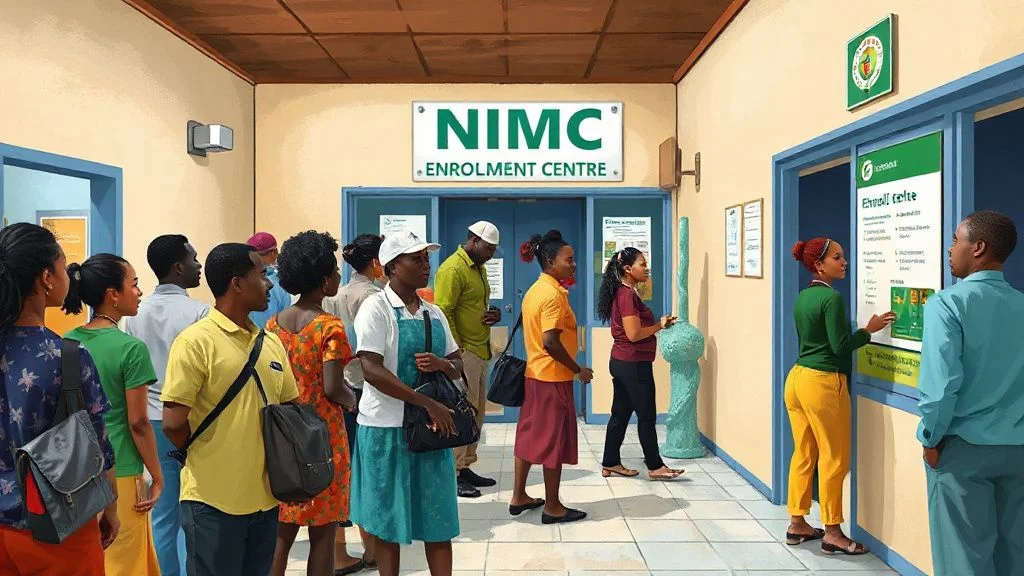
Following the payment confirmation, applicants must visit the FRSC Officer at the DLC for biometric data capture. This process involves taking the applicant's photograph and fingerprints, which will be stored in a central database for identification purposes. Biometric data capture is a critical step in ensuring the security and authenticity of the driver's licence.
6. Issuance of Temporary Licence
Once the biometric data has been captured, the applicant will be issued a temporary driver's licence, valid for 60 days. This temporary licence allows the applicant to drive legally while awaiting the processing of their permanent driver's licence.
Collection of Permanent Driver's Licence
After a processing period of approximately 60 days, the applicant can collect their permanent driver's licence from the Board of Internal Revenue (BIR) office. It is essential to bring the temporary licence and any other required documentation for collection. If there are any delays in the issuance of the permanent licence, the FRSC is obligated to communicate the reasons to the applicant.
Renewal of Driver's Licence
Renewing a driver's licence in Nigeria is a straightforward process. The holder of a valid driver's licence may apply for renewal at any time within one calendar month before the expiry date. If more than six months have passed since the last valid licence, the applicant must undergo a driving test again.
The renewal process involves filling out an application form, making the requisite payment, and undergoing biometric data capture. A temporary licence will also be issued during this process, allowing the applicant to continue driving legally while waiting for the renewed licence.
Practical Tips for Expats and Returning Nigerians
For expatriates and returning Nigerians, navigating the process of obtaining a driver's licence can be challenging. Here are some practical tips:
- Ensure you choose an accredited driving school to avoid issues with your training certificate.
- Keep all receipts and documentation organized, as they will be required throughout the application process.
- Be prepared for the driving test by practicing driving in various conditions to build confidence.
- Consider applying for your licence well in advance of any planned travel, as processing times can vary.
Conclusion
Obtaining a driver's licence through the FRSC involves several steps, including training, testing, and biometric data capture. By understanding the requirements and following the outlined process, applicants can navigate the system more effectively. Whether you are a first-time applicant or renewing an existing licence, being well-informed will help ensure a smooth experience.
Primary Sources
Last updated: November 2026