Relocating to Nigeria can be an exhilarating experience filled with new adventures and challenges. In your first week, having a day-by-day checklist will help you navigate the initial hurdles and set a solid foundation for your stay. This article provides practical advice on what to do each day, ensuring a seamless transition into your new environment.
What can we help you with?
Three short questions, then just how to reach you. No account needed.
Day 1: Arrival and Settling In
Upon arrival in Nigeria, your first task is to ensure that your accommodation is ready. If you have secured a rental in areas like Victoria Island or Lekki in Lagos or the upscale districts of Maitama or Asokoro in Abuja, confirm your check-in time. After settling in, take a moment to acclimatize to your surroundings. Connect with local expatriate communities online for support and guidance.
Next, it is vital to register your presence with your embassy. This ensures you receive important updates and assistance in case of emergencies. Make your way to the nearest embassy or consulate and provide them with your contact details. Also, familiarize yourself with nearby amenities such as grocery stores and pharmacies. This will help you get comfortable in your new neighborhood.
Day 2: Opening a Local Bank Account
On your second day, focus on financial logistics. Opening a local bank account will make it easier to manage your finances and pay for services without relying on cash. Visit a reputable bank branch and bring necessary documentation. Understand the bank's services, including mobile banking options, which are increasingly popular among locals.
While at the bank, inquire about the process for currency exchange if needed. Being informed about the current exchange rate will help you compare costs accurately and manage your budget effectively as you adjust to living in Nigeria.
Day 3: Exploring Transportation Options
On the third day, it’s essential to familiarize yourself with local transportation. In Lagos, traffic is notoriously challenging, so understanding your options is crucial. You can explore ride-hailing apps that are popular among expatriates, as they are generally more reliable and transparent. Additionally, consider public transportation options like the BRT (Bus Rapid Transit) system for routes that are more straightforward.
For longer distances, especially between cities, research domestic flight options and train services. Getting accustomed to the traffic patterns and peak hours will help you plan your daily commute effectively.
Day 4: Setting Up Utilities and Internet
By day four, it’s time to tackle your utilities. Contact your electricity provider to set up your account, keeping in mind that the grid supply can be unreliable. Many expatriates invest in generators or inverters for backup power. You can typically find reliable options in local markets or through online classifieds.
Next, arrange for internet service, which is essential for staying connected with family and work. Research local providers, as internet speeds and service quality can vary. Ensure that your chosen provider offers good customer support, as this can be critical in the event of connectivity issues.
Day 5: Health and Safety Precautions
Health should be a priority as you settle in. Schedule a visit to a local clinic for a health check-up and to discuss vaccinations, particularly for diseases prevalent in the region, such as malaria. Stock up on necessary medications and familiarize yourself with pharmacy locations nearby.
Additionally, understanding safety protocols is crucial. Familiarize yourself with emergency services and local security measures. Engaging with expatriate communities can provide valuable insights into safe practices and areas to avoid.
Day 6: Connecting with the Community
On the sixth day, immerse yourself in the local culture. Join community events or expatriate meetups to meet new people and build a support network. Engaging with locals will not only help you adapt but also provide insights into the best dining spots, markets, and cultural experiences.
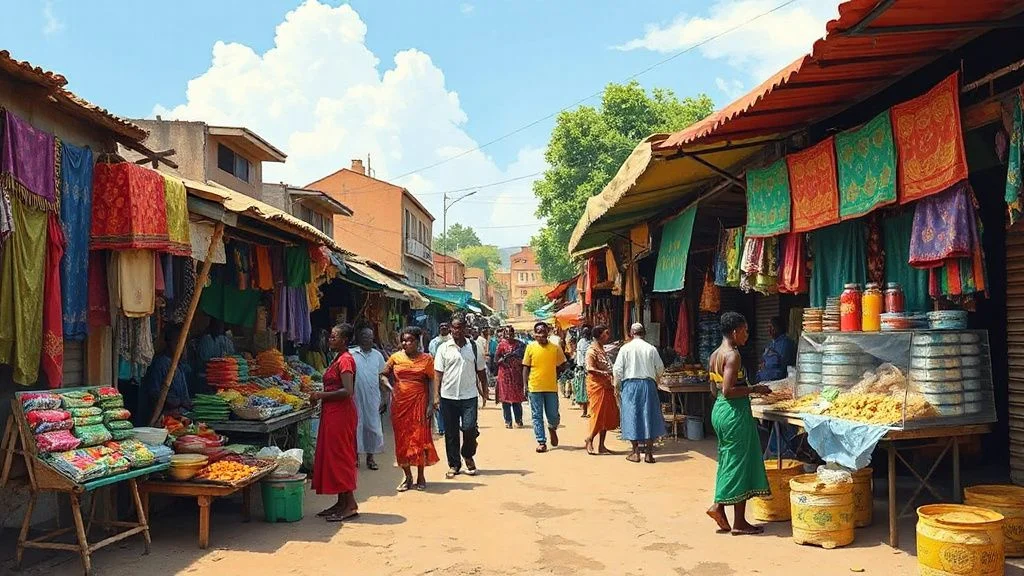
Visit local markets to experience Nigerian cuisine and customs firsthand. This is a great opportunity to try traditional dishes and meet vendors, enhancing your understanding of the local way of life.
Day 7: Reflection and Planning Ahead
By the end of your first week, take time to reflect on your experiences. Consider what has gone smoothly and what challenges you faced. This reflection will help you plan for the upcoming weeks.
Set goals for your first month in Nigeria, whether it’s exploring more neighborhoods, learning the local language, or discovering professional opportunities. Having a clear plan will motivate you as you continue your journey in Nigeria.
Practical Tips for Expats
Adapting to life in Nigeria involves understanding cultural nuances. Greetings often involve warm interactions, and being polite is highly valued. Learning basic Nigerian Pidgin or local dialects can also enhance your interactions.
Additionally, be aware of the local customs regarding dress and conduct, especially in more conservative areas. Respecting these cultural norms will help you integrate more smoothly into your new environment.
Lastly, always keep some cash on hand, as not all establishments accept cards, particularly in less urban areas. Understanding local currency and its conversion to USD will help you budget effectively.
Moving to Nigeria presents unique challenges, but with careful planning and an open mind, your first week can set the stage for a rewarding experience. Embrace the journey and enjoy discovering all that Nigeria has to offer.
Primary Sources
Last updated: October 2026