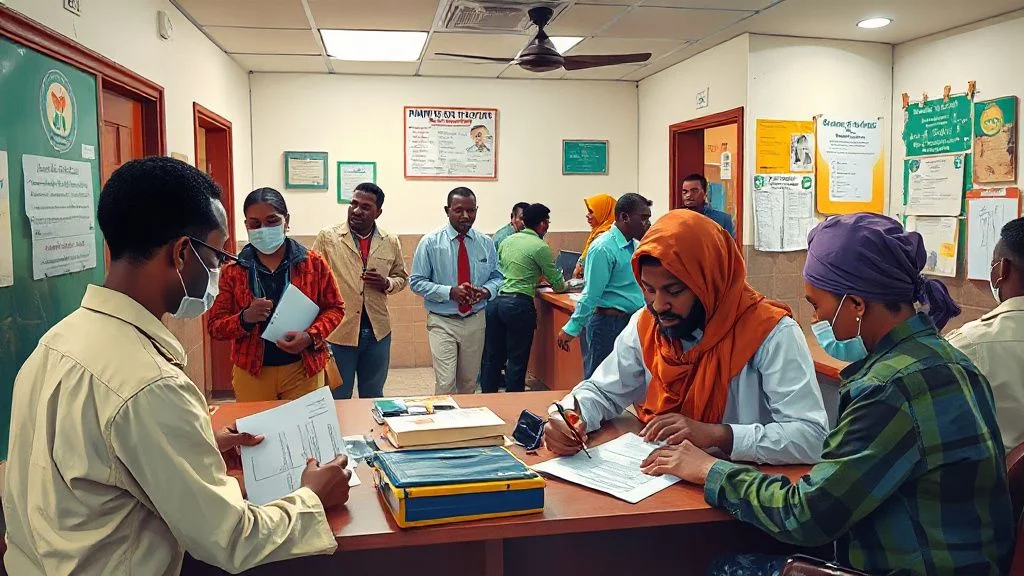
Understanding the implications of overstaying a visa in Nigeria is crucial for expatriates and returning-diaspora Nigerians. This article will delve into who bears the financial responsibility for exit visas when a foreign national overstays their permit, the associated costs, and the steps involved in the process. By the end of this article, you will have a comprehensive understanding of the exit visa procedure and practical advice to navigate this complex situation.
What can we help you with?
Three short questions, then just how to reach you. No account needed.
Understanding Overstay Penalties in Nigeria
Overstaying a visa in Nigeria carries a daily fine and, beyond certain thresholds, a ban on re-entry. The figure comes from a circular of the Nigeria Immigration Service dated 2 May 2025, which followed the expatriate administration and visa reforms the Federal Ministry of Interior announced on 11 April 2025: USD 15.00 for each day of overstay, counted from the exit date stated in the visa. Two professional summaries of that circular, by Deloitte on 6 May 2025 and by PwC for the rules taking effect from 1 May 2025, give the same figure. The circular itself is not published, so confirm the amount with the Service before you budget on it.
The thresholds matter more than the daily rate, because they are where the consequence stops being money. Under the circular there are three steps: any overstay attracts the daily fine; an overstay of three months or more attracts the daily fine plus a five-year entry ban; and an overstay of one year or more attracts the daily fine plus a permanent entry ban. Note both figures that are often misquoted: the first ban threshold is three months rather than six, and a year of overstay is not a ten-year ban but a ban without an end date.
Who is Responsible for Exit Visa Fees?
One point of confusion is worth clearing up before the question of who pays. The reporting at the time gave different start dates for these penalties, because the circular named two itself, 2 August 2025 and 1 September 2025, and because a grace period ran from 1 May to 1 August 2025 during which foreign nationals already in Nigeria on an expired visa could leave voluntarily without penalty. That window has closed. As to who pays: the cost falls on the person who overstayed. The Service requires the individual to pay both the penalty and the fees for leaving, and under the e-pass arrangement an overstayer pays the e-pass fee as well as the applicable overstay penalty, a point on which the circular left room for doubt.
It is important to note that the exit visa fee can vary depending on the circumstances surrounding the overstay. While specific amounts for exit visas are not publicly available, it is advisable to contact the NIS or visit their official website for the most accurate and up-to-date information regarding fees and processes.
Factors Influencing Exit Visa Fees
Several factors can influence the cost of an exit visa for an overstayed permit holder. These include:
- Duration of Overstay: The longer an individual has overstayed their visa, the more likely they are to incur additional fines and fees. For example, if someone has overstayed for several months, they may face higher penalties compared to someone who has only overstayed for a few days.
- Type of Visa: Different visa categories may have varying exit visa requirements and fees. For instance, business visa holders may have different obligations compared to tourist visa holders.
- Compliance with Immigration Laws: Individuals who proactively seek to regularize their status before being apprehended by immigration authorities may face lower fees compared to those who are caught overstaying.
The Process of Obtaining an Exit Visa
For expatriates or returning-diaspora Nigerians who find themselves in the unfortunate situation of overstaying their visa, understanding the process of obtaining an exit visa is essential. Here is a step-by-step guide:
- Contact the Nigerian Immigration Service: The first step is to reach out to the NIS. This can be done through their official website or by visiting their local office. They will provide guidance on the necessary documents and fees required for the exit visa application.
- Gather Required Documents: Typically, the following documents may be required for the exit visa application:
- Valid passport with the overstayed visa
- Proof of payment for any applicable fines
- Completed exit visa application form
- Any additional documentation requested by the NIS
- Submit the Application: Once all documents are prepared, submit the exit visa application to the NIS. Ensure that all information is accurate and complete to avoid delays.
- Pay Applicable Fees: As mentioned earlier, the individual applying for the exit visa is typically responsible for paying any associated fees. Payment methods may vary, so confirm with the NIS about accepted payment options.
- Await Processing: After submitting the application, there may be a waiting period for processing. The duration can vary, so it is advisable to inquire about estimated processing times when submitting the application.
- Receive the Exit Visa: Once approved, the exit visa will be issued. Ensure to keep this document safe, as it will be required when leaving Nigeria.
Common Challenges and How to Overcome Them
Expatriates and returning-diaspora Nigerians may face several challenges when dealing with overstayed visas and exit visas. Here are some common issues and tips on how to navigate them:
1. Lack of Information
Many individuals may not be aware of the specific requirements and fees associated with exit visas. To overcome this challenge, it is crucial to consult official sources, such as the NIS website or legal experts specializing in immigration matters. Additionally, joining expatriate forums or communities can provide valuable insights and experiences from others who have faced similar situations.
2. Financial Constraints
Paying fines and exit visa fees can be a financial burden for some individuals. It is advisable to budget for these expenses in advance and explore options for financial assistance if needed. Some expatriates may also consider negotiating payment plans with the NIS, although this is not guaranteed.
3. Language Barriers
For non-Nigerians, language barriers can pose a challenge when dealing with immigration authorities. It may be beneficial to seek assistance from a local legal representative or translator who can help navigate the process and communicate effectively with the NIS.
Practical Tips for Expats
For expatriates living in Nigeria, here are some practical tips to avoid overstaying your visa and ensure compliance with immigration laws:
- Keep Track of Visa Expiry Dates: Set reminders for your visa expiration dates and plan ahead for renewals or extensions.
- Understand Visa Regulations: Familiarize yourself with the specific regulations and requirements of your visa category to avoid unintentional overstays.
- Seek Legal Advice: If you are unsure about your visa status or need assistance with immigration matters, consider consulting an immigration lawyer or expert.
- Regularize Your Status Promptly: If you realize you are at risk of overstaying, take immediate action to regularize your status by contacting the NIS.
Conclusion
In summary, the responsibility for paying exit visa fees for overstayed permit holders in Nigeria typically lies with the individual who overstayed their visa. Understanding the penalties associated with overstaying, the process for obtaining an exit visa, and the common challenges faced can help expatriates navigate this complex situation more effectively. By staying informed and proactive, expatriates can avoid the pitfalls of visa overstays and ensure a smoother experience while living or working in Nigeria.
Primary Sources
Last updated: November 2026