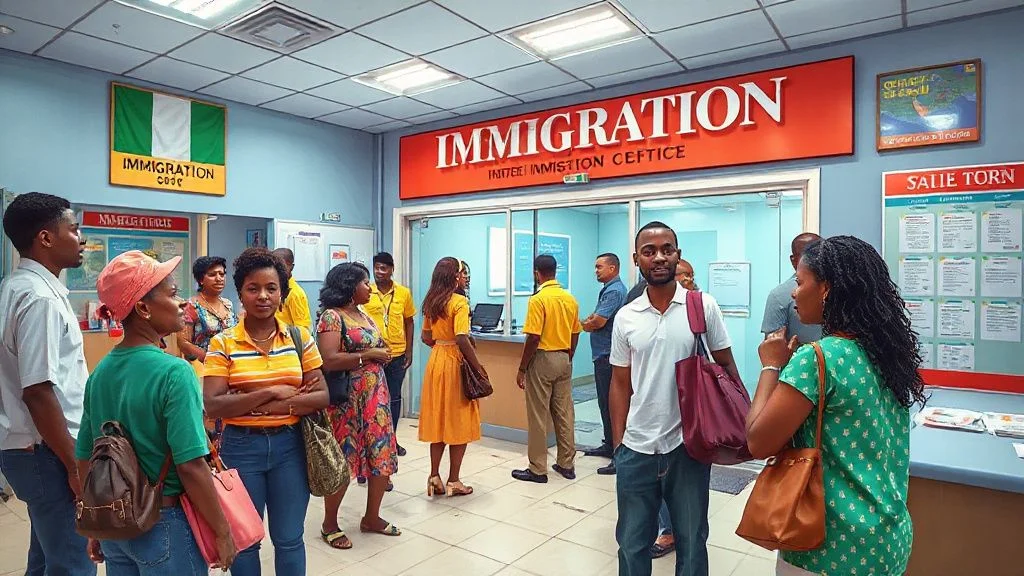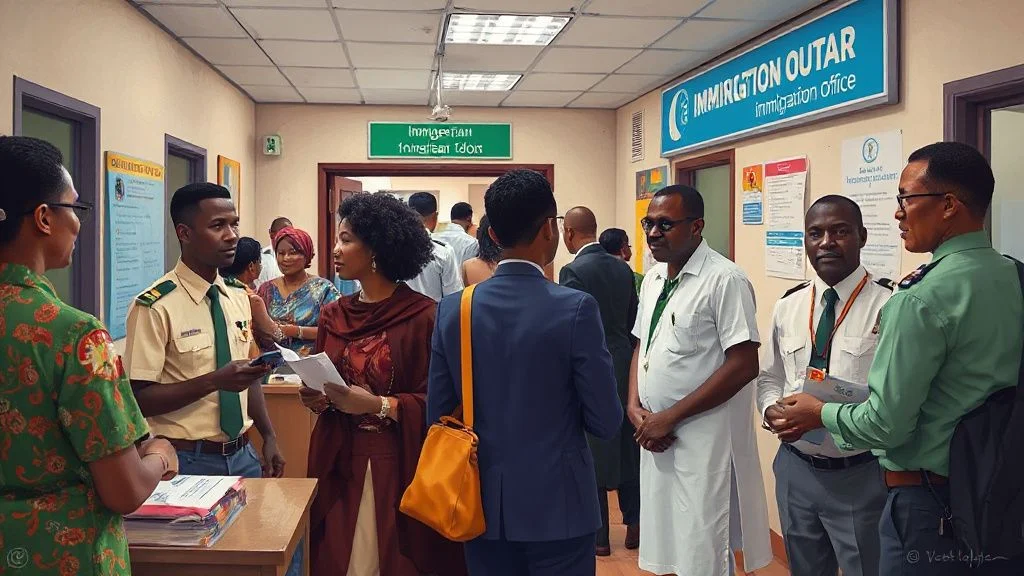
This question does have a clear answer, and it is not the one expatriates usually fear: THE COMPANY PAYS, not you. Under guidelines that took effect on 24 January 2022, an organisation applying for new expatriate quota positions or renewing existing ones must submit its facility to inspection and pay a Company Inspection charge. The inspection therefore attaches to the employer's quota, which is also why it is not something an individual can be billed for. No amount is quoted here: figures circulate on advisory blogs, varying by location, but they are not published by the Ministry of Interior, and a charge set by a ministry should be read from the ministry. Ask whoever handles immigration at your employer what the current charge is and when it falls due. One consequence worth stating plainly: if an official asks YOU personally for money during or after a visit, that is not how this charge works.
What can we help you with?
Three short questions, then just how to reach you. No account needed.
What is a Monitoring Visit?
A monitoring visit by the Nigeria Immigration Service (NIS) is an official inspection conducted to ensure compliance with immigration regulations. These visits are typically aimed at verifying the status of expatriates and their adherence to the terms of their residency permits. Monitoring visits can occur for various reasons, including routine checks, complaints, or as part of the application process for residency permits.
During a monitoring visit, immigration officers may check documentation, interview the expatriate, and assess the living conditions to ensure they align with the stipulations of the residency permit. This process is essential for maintaining the integrity of Nigeria's immigration system and ensuring that all expatriates are abiding by the laws governing their stay.
Who is Responsible for the Costs?
The question of who pays for a monitoring visit can be complex and often depends on the circumstances surrounding the visit. Typically, the costs associated with a monitoring visit are borne by the employer of the expatriate or the expatriate themselves, depending on the specific situation and the agreements in place.
In many cases, employers sponsor expatriates for work permits and residency permits, which may include provisions for monitoring visits. If the visit is part of a routine compliance check, the employer is usually responsible for any associated costs. However, if the monitoring visit is initiated due to a specific complaint or issue, the expatriate may be held accountable for the costs incurred during the visit.
Employer Responsibilities
Employers play a significant role in the immigration process for expatriates. When hiring foreign professionals, employers often take on the responsibility of securing the necessary permits and ensuring compliance with immigration laws. This includes covering the costs of monitoring visits, which can include fees for the immigration officers' time and any administrative costs associated with the visit.
Employers should be proactive in understanding their obligations regarding monitoring visits. This includes having clear policies in place for handling such visits and ensuring that expatriates are aware of their rights and responsibilities. By doing so, employers can mitigate potential issues and ensure a smoother immigration process for their employees.
Expatriate Responsibilities
Expatriates must also be aware of their responsibilities regarding monitoring visits. If a visit is initiated due to a specific concern, such as a violation of immigration regulations, the expatriate may be required to cover the costs associated with the visit. This could include fees for the immigration officers and any penalties that may arise from non-compliance.
To avoid unexpected costs, expatriates should ensure that they fully understand the terms of their residency permits and comply with all regulations. This includes maintaining accurate documentation, adhering to the conditions of their stay, and promptly addressing any issues that may arise. By being proactive, expatriates can minimize the risk of incurring additional costs during monitoring visits.
Understanding the Costs Involved
The costs associated with a monitoring visit can vary widely depending on several factors, including the nature of the visit and the specific requirements of the Nigeria Immigration Service. While exact figures are not publicly available, it is essential to understand the potential expenses involved.
Typically, costs may include fees for the immigration officers' time, transportation expenses, and any administrative fees related to processing the visit. Employers and expatriates should be prepared for these costs and factor them into their budgets when planning for residency permits and related expenses.
Potential Fees and Charges
While specific fees for monitoring visits are not published, it is advisable to consult with the Nigeria Immigration Service or a qualified immigration consultant for the most accurate and up-to-date information. This can help expatriates and employers better understand the potential costs involved and plan accordingly.
Additionally, employers should consider including provisions for monitoring visit costs in their employment contracts with expatriates. This can help clarify responsibilities and avoid disputes over who is liable for these expenses.
Consequences of Non-Compliance
Failure to comply with immigration regulations can lead to severe consequences for both expatriates and employers. If a monitoring visit reveals violations, the expatriate may face penalties, including fines, revocation of their residency permit, or even deportation. Employers may also face repercussions, including legal action or fines for failing to ensure compliance with immigration laws.
To avoid these consequences, it is crucial for both expatriates and employers to maintain open communication and stay informed about immigration regulations. Regular training and updates on immigration policies can help ensure that all parties are aware of their responsibilities and can act accordingly.
Practical Tips for Expatriates and Employers
For expatriates and employers navigating the complexities of immigration monitoring visits in Nigeria, several practical tips can help streamline the process and minimize potential issues.
1. Maintain Accurate Documentation
Both expatriates and employers should ensure that all documentation related to residency permits is accurate and up-to-date. This includes work permits, identification documents, and any supporting materials required by the Nigeria Immigration Service. Keeping organized records can help facilitate monitoring visits and demonstrate compliance with immigration regulations.
2. Communicate Openly
Open communication between expatriates and employers is essential for addressing any concerns that may arise during the immigration process. Regular check-ins can help identify potential issues before they escalate and ensure that both parties are on the same page regarding responsibilities.
3. Consult with Immigration Experts
Given the complexities of immigration laws in Nigeria, it may be beneficial to consult with immigration experts or legal advisors. These professionals can provide valuable insights into the immigration process, help navigate monitoring visits, and ensure compliance with all regulations.
4. Prepare for Monitoring Visits
Both expatriates and employers should be prepared for monitoring visits by familiarizing themselves with the process and understanding what to expect. This includes knowing the rights and responsibilities of both parties and being ready to provide any necessary documentation during the visit.
Conclusion
Understanding who pays for a monitoring visit by the immigration service in Nigeria is essential for expatriates and employers alike. Typically, costs are borne by the employer, but expatriates may be responsible in certain situations. By maintaining accurate documentation, communicating openly, and consulting with immigration experts, both parties can navigate the complexities of the immigration process more effectively. Staying informed and proactive can help mitigate potential issues and ensure a smoother experience during monitoring visits.
Last updated: November 2026