
When relocating to Nigeria, particularly in bustling cities like Lagos and Abuja, understanding the import duties and levies on used vehicles is crucial for expatriates and returning Nigerians. This article explores who qualifies for exemptions from these costs, providing practical insights for international professionals and returning-diaspora Nigerians.
What can we help you with?
Three short questions, then just how to reach you. No account needed.
Understanding Import Duty and Levies in Nigeria
Import duties and levies on vehicles in Nigeria can significantly impact the overall cost of bringing a car into the country. Typically, the Nigeria Customs Service (NCS) charges a 20% import duty on the Cost, Insurance, and Freight (CIF) value of the vehicle. Additionally, there are other charges, including the National Automotive Council (NAC) levy, which is 5% for used vehicles, and a VAT of 7.5% on the combined customs charges. These costs can accumulate to approximately 35-45% of the CIF value for most vehicles, making it essential to understand potential exemptions.
Who is Exempt from Import Duty and Levies?
In Nigeria, certain categories of vehicles and individuals may qualify for exemptions from import duties and levies. Here are the main groups:
1. Electric Vehicles (EVs)
As part of Nigeria's commitment to promoting environmentally friendly transportation, electric vehicles are fully exempt from import duties and levies. This exemption is particularly beneficial for expatriates and returning Nigerians looking to invest in sustainable transport options. The exemption applies to both new and used electric vehicles, making it a viable option for those considering a greener lifestyle in Nigeria.
2. Mass Transit Buses
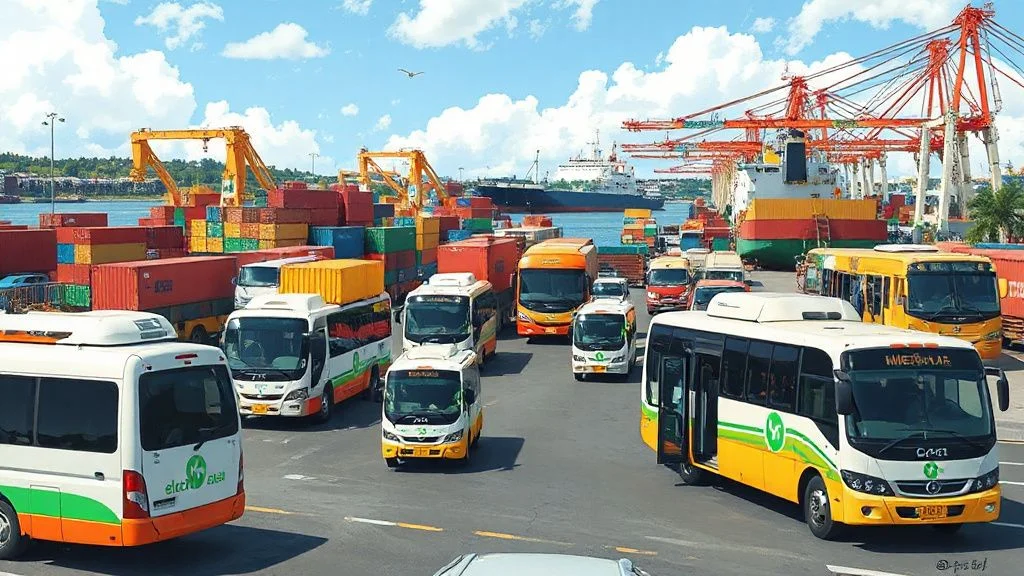
Mass transit buses are also exempt from import duties and levies. This initiative aims to enhance public transportation systems in Nigeria and encourage the importation of vehicles that can contribute to mass transit solutions. If you are involved in public transport or planning to import buses for commercial purposes, this exemption can significantly reduce your costs.
3. Vehicles for Humanitarian Purposes
Vehicles imported for humanitarian purposes, such as those used by non-governmental organizations (NGOs) and charitable organizations, may qualify for exemptions. These vehicles must be specifically designated for humanitarian aid, and proper documentation must be provided to the NCS to secure the exemption. If you are part of an NGO or charity, consult with your organization to ensure compliance with the necessary regulations.
4. Special Permits for Certain Individuals
Some individuals, such as diplomats and members of international organizations, may also be exempt from import duties and levies. These exemptions are typically granted based on the individual's status and the nature of their work. It is advisable for such individuals to coordinate with their respective embassies or organizations to understand the specific requirements and documentation needed to claim these exemptions.
Understanding the Application Process
To benefit from these exemptions, it is essential to follow the correct application process. Here are the steps typically involved:
1. Documentation
Gather all necessary documentation that supports your claim for exemption. This may include proof of the vehicle's classification (e.g., electric vehicle certification), letters of authorization from NGOs, or diplomatic credentials. Ensure that all documents are in order to avoid delays in processing.
2. Engage a Clearing Agent
Working with a licensed clearing agent can simplify the importation process. These professionals are familiar with the customs regulations and can assist in navigating the complexities of the import duty exemptions. They can help ensure that all documentation is correctly submitted and that you comply with the necessary regulations.
3. Submit Your Application
Once you have all the required documents, submit your application to the Nigeria Customs Service. It is crucial to do this well in advance of your vehicle's arrival to ensure that any exemptions are processed before the vehicle reaches the port.
Practical Tips for Expats
For expatriates and returning Nigerians, understanding the nuances of vehicle importation can save significant costs. Here are some practical tips:
- Research the Vehicle Type: Before purchasing a vehicle abroad, research whether it qualifies for any exemptions. Electric vehicles and mass transit buses can offer substantial savings.
- Consult with Experts: Engage with customs brokers or legal experts who specialize in import regulations to ensure compliance and maximize your benefits.
- Stay Updated on Regulations: Import regulations can change frequently. Regularly check with the Nigeria Customs Service or your clearing agent for the latest updates on exemptions and duties.
- Budget for Hidden Costs: While exemptions can reduce the duty itself, clearing a vehicle carries its own charges, and they vary with the size of the vehicle and how long it sits at the port. Ask your clearing agent for a written quote before the vehicle arrives, because storage and demurrage accrue daily once it lands.
Conclusion
Understanding who is exempt from import duty and levies on used vehicles in Nigeria can significantly impact your relocation experience. Electric vehicles, mass transit buses, and vehicles for humanitarian purposes offer valuable exemptions. By following the correct application process and staying informed, expatriates and returning Nigerians can navigate the complexities of vehicle importation more effectively. Always consult with professionals to ensure compliance and maximize your savings.
