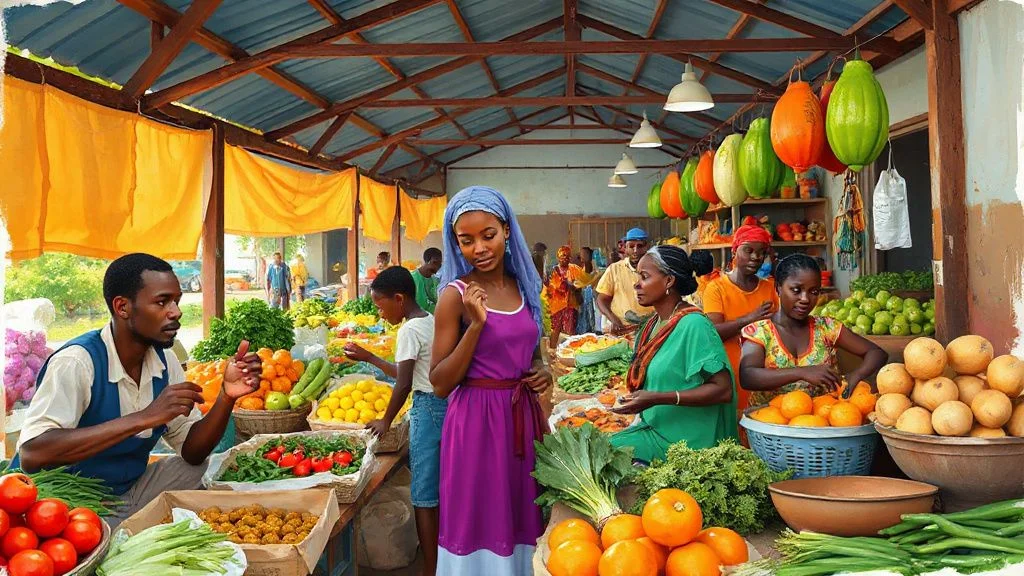
Nigeria's health profile reveals critical insights into the country's health challenges and realities. Understanding these statistics is essential for expatriates and returning Nigerians as they navigate life in cities like Lagos and Abuja. This article provides a comprehensive overview of Nigeria's health metrics, highlighting child and maternal health, prevalent diseases, and practical advice for living in Nigeria.
What can we help you with?
Three short questions, then just how to reach you. No account needed.
Child Health in Nigeria
Child health is a vital indicator of a nation's overall well-being. As of the latest data from 2024, 14% of children in Nigeria die before their 15th birthday, highlighting significant challenges in child healthcare. This statistic translates to approximately 856,000 children under five who die annually, a stark figure that underscores the urgency of addressing health issues affecting the nation's youth.
Child Mortality Rates
The child mortality rate, which measures the share of newborns who die before the age of five, stands at 12% in Nigeria. This figure is critical for understanding the health infrastructure's effectiveness in safeguarding young lives. Common causes of child mortality include infectious diseases, malnutrition, and complications during birth. For expatriates, this means being aware of the health resources available, especially in case of emergencies involving children.
Malnutrition and Its Impact
Malnutrition significantly contributes to child mortality in Nigeria, with around half of all child deaths linked to it. In 2021, 33.8% of children were reported as stunted, indicating chronic malnutrition that hampers physical and cognitive development. Expatriates should be proactive in ensuring their children have access to nutritious food, particularly in areas where food insecurity is prevalent. Local markets often provide a variety of fresh produce, and families can explore options such as community-supported agriculture for healthier food choices.
Maternal Health Insights
Maternal health is another crucial aspect of Nigeria's health profile. The maternal mortality rate is alarmingly high, with 1,050 women per 100,000 live births dying during pregnancy or childbirth as of 2020. This statistic highlights the need for improved healthcare services, especially for expectant mothers. The challenges faced by women during pregnancy can include limited access to prenatal care, and inadequate facilities for childbirth.
Understanding Maternal Health Risks
Many factors contribute to maternal mortality in Nigeria, including inadequate healthcare infrastructure, lack of skilled birth attendants, and socio-economic barriers. For expatriate women considering childbirth in Nigeria, it is advisable to research and choose healthcare facilities that have a good reputation for maternal care. Many private hospitals in urban areas like Lagos and Abuja offer comprehensive maternal health services, including prenatal care, delivery, and postnatal support.
Access to Healthcare Services
Healthcare access can vary significantly in Nigeria. Urban areas typically have better healthcare facilities compared to rural regions. However, even in cities, the quality of care may not meet the standards expatriates are accustomed to. It's crucial to establish a relationship with a local doctor or healthcare provider who understands the expatriate community's needs. Many expatriates find that private clinics offer more reliable services and shorter wait times.
Prevalent Diseases and Health Risks
In addition to child and maternal health issues, Nigeria faces a high burden of infectious diseases. Malaria, tuberculosis, and HIV/AIDS are among the leading health concerns. For instance, malaria remains a significant cause of morbidity and mortality, particularly in children and pregnant women. The World Health Organization (WHO) reports a high incidence of malaria in Nigeria, making preventive measures essential for expatriates.
Preventative Health Measures
To mitigate health risks, expatriates should prioritize vaccinations and preventive care, particularly against diseases like hepatitis and yellow fever. Malaria prophylaxis is also recommended, especially for those living in or traveling to high-risk areas. Installing mosquito nets, using insect repellent, and ensuring proper sanitation can significantly reduce the risk of mosquito-borne diseases.
Health Expenditure and Resources
Nigeria's current health expenditure is approximately 4.08% of its GDP, indicating limited funding for healthcare services compared to many Western nations. Expats should be prepared for out-of-pocket expenses, as health insurance may not cover all treatments or services. Researching comprehensive health insurance plans that include international coverage can alleviate some financial burdens associated with healthcare.
Practical Tips for Expats
Living in Nigeria presents unique challenges, especially regarding health and well-being. Here are some practical tips for expatriates:
- Establish a Local Network: Connect with other expatriates and locals to gain insights into reliable healthcare providers and services.
- Stay Informed: Keep abreast of health advisories and vaccination recommendations from health authorities.
- Invest in Health Insurance: Consider comprehensive health insurance that covers a wide range of medical services, including emergency care.
- Utilize Local Health Services: Familiarize yourself with local clinics and hospitals that are known for good care, especially those that cater to expatriates.
- Practice Preventive Health: Ensure you and your family are up-to-date with vaccinations and take preventive measures against common diseases.
Conclusion
Nigeria's health profile reveals significant challenges, particularly in child and maternal health, infectious diseases, and access to quality healthcare services. For expatriates and returning Nigerians, understanding these issues is crucial for making informed decisions about health and well-being in Lagos, Abuja, and beyond. By leveraging local resources, investing in health insurance, and prioritizing preventive care, expatriates can navigate Nigeria's healthcare landscape more effectively.