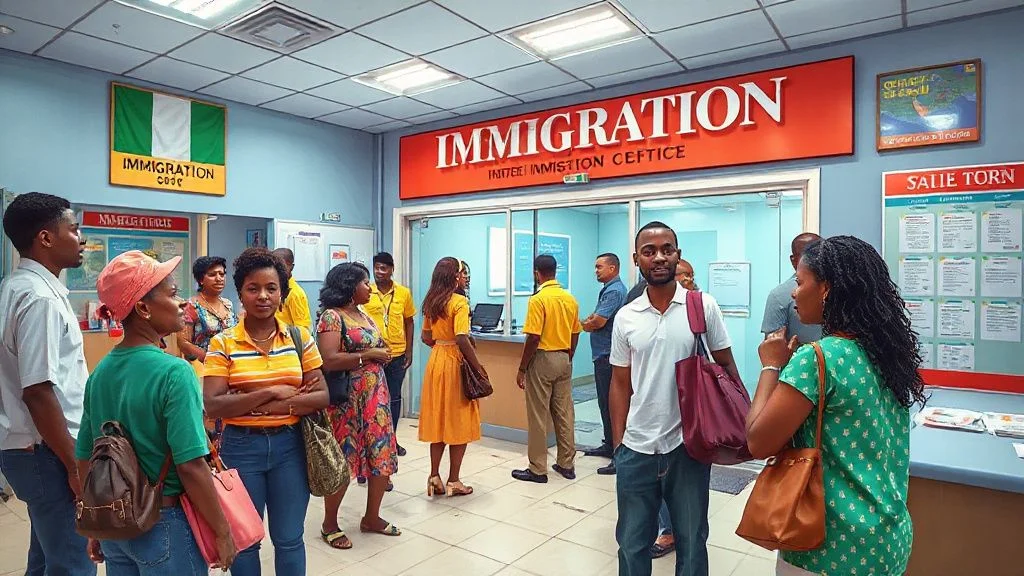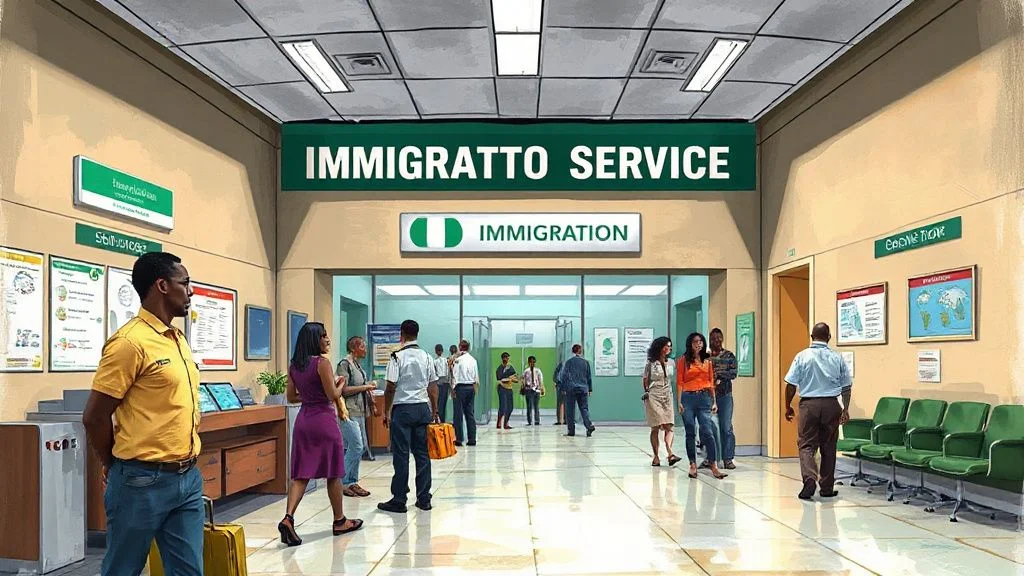
For expatriates and returning Nigerians in Nigeria, navigating the immigration landscape can be challenging, especially when it comes to overstayed permits. This article provides a comprehensive guide on where to file an exit visa for overstayed permit holders, detailing the necessary steps, associated fees, and practical advice to ensure a smooth exit process.
What can we help you with?
Three short questions, then just how to reach you. No account needed.
Understanding the Exit Visa Requirement
An exit visa is a document that allows a foreign national to leave Nigeria lawfully, particularly where a visa or residence permit has been overstayed. Two consequences attach to an overstay and they are of a completely different order, so take them in turn.
The first is a daily fine of USD 15.00 for every day beyond the permitted stay, introduced as part of the immigration reforms unveiled by the Federal Ministry of Interior in April 2025 and reported consistently by professional advisers since. Be careful with the START DATE, because published accounts differ: some put the fine in force from May 2025, others from 1 September, and the best-supported date is 1 August 2025. If you are already overstaying, that spread decides how many days are counted, so establish the applicable date with the Service rather than from a guide.
The second consequence is the one that should drive your decision, and it is not financial: a RE-ENTRY BAN. Here too the reported thresholds conflict and no single account can be relied on. A five-year ban is described as following an overstay of three months by one account and six months by another, and for an overstay of a year or more some sources report a ten-year ban while others report a permanent one. What is consistent across all of them is the shape of it: the longer the overstay runs, the faster it stops being about money and starts being about whether you can ever return. Someone a few weeks over should expect a bill; someone months over is deciding about their future access to the country, and that is the point at which professional advice is worth its cost.
On fees and timing, this can now be stated more precisely than it usually is. The Nigeria Immigration Service publishes a Service Level Agreement, revised in April 2026, which sets out a timeline and a fee for each of its service windows: 48 hours for an e-visa, ten days from enrolment for a residence permit, 42 days for a fresh passport and 21 for a renewal. AN EXIT VISA IS NOT AMONG THEM. There is no published standard for this, which is why nobody can honestly quote you one, and it is a reason to start the process early rather than close to a departure date.
What the agreement does recognise is regularisation, and specifically the STR visa, which stands for SUBJECT TO REGULARIZATION. That is the vocabulary to use at a counter or in correspondence: ask about regularising your status rather than about an exit visa, since the first is a process the Service documents and the second may not be the name it works under.
Foreign nationals who overstay their visas must file for an exit visa to regularize their status before leaving the country. This process is crucial to avoid further complications, such as being barred from re-entering Nigeria in the future.
Where to File for an Exit Visa
The application for an exit visa must be submitted to the Nigerian Immigration Service (NIS). The NIS has offices in major cities across Nigeria, including Lagos and Abuja, where expatriates can file their applications. Here’s a step-by-step guide on how to proceed:
1. Locate the Nearest NIS Office
To file for an exit visa, you first need to locate the nearest NIS office. In Lagos, the main office is situated at:
- Nigerian Immigration Service Headquarters
- Address: 67, Kudirat Abiola Way, Oregun, Lagos
In Abuja, the main office is located at:
- Nigerian Immigration Service Headquarters
- Address: 9, Abidjan Street, Wuse Zone 3, Abuja
It is advisable to visit the NIS office early in the day to avoid long queues and ensure you have ample time to complete your application.
2. Prepare Required Documents
Before visiting the NIS office, gather all necessary documents to facilitate your application. Typically, you will need:
- A completed exit visa application form, which can be obtained at the NIS office or downloaded from the NIS website.
- A valid passport with at least six months' validity remaining.
- Proof of your visa or residence permit, including any documentation that indicates the duration of your stay.
- Evidence of payment for any applicable fines related to your overstay.
- A recent passport-sized photograph.
Ensure that all documents are in order to avoid delays in processing your application.
Filing the Application
Once you have gathered your documents, proceed to file your application at the NIS office. Here’s how to navigate the filing process:
1. Submit Your Application
At the NIS office, present your completed application form along with the required documents to the immigration officer. They will review your application and may ask questions regarding your overstay. Be honest and provide clear explanations to avoid complications.
2. Pay the Required Fees
There are fees associated with filing for an exit visa, which can vary based on the specifics of your case. As of October 2026, the fees for residency permits are as follows:
- For employed expatriates: $2,000 (2026-10-21)
- For students: $600 (2026-10-21)
- For those married to Nigerian nationals: $0 (2026-10-21)
Payment methods typically include cash or bank transfers, but verify with the NIS office for the most current payment options.
3. Await Processing
After submitting your application and payment, the processing time for an exit visa can vary. It is advisable to ask the immigration officer about the expected processing duration. Typically, it can take a few days to a couple of weeks, depending on the volume of applications being processed.
Common Reasons for Exit Visa Denial
While many applications are approved, there are common reasons why an exit visa may be denied. Understanding these can help you avoid pitfalls:
- Incomplete Documentation: Ensure all required documents are submitted and complete. Missing paperwork can lead to immediate denial.
- Outstanding Fines: If you have not paid the required fines for overstaying, your application will likely be rejected. Make sure to settle any dues before applying.
- Previous Immigration Violations: A history of immigration violations can negatively impact your application. Be prepared to explain any past issues.
Practical Tips for Expats and Returning Nigerians
Here are some insider tips to help expatriates and returning Nigerians navigate the exit visa process more smoothly:
1. Stay Informed
Immigration policies can change frequently. Regularly check the official NIS website or consult with legal experts to stay updated on any changes that may affect your exit process.
2. Seek Legal Assistance if Necessary
If you are unsure about the exit visa process or have a complicated case, consider seeking legal assistance from an immigration lawyer. They can provide tailored advice and help you navigate the complexities of Nigerian immigration law.
3. Plan Your Exit in Advance
Don’t wait until the last minute to file for your exit visa. Plan your exit well in advance to allow for any unexpected delays in processing. This is especially important if you have travel plans or commitments.
4. Maintain Copies of All Documents
Keep copies of all documents submitted during the application process. This can be helpful in case of any discrepancies or if you need to reference your application in the future.
Conclusion
Filing for an exit visa as an overstayed permit holder in Nigeria is a crucial step in ensuring a legal and smooth departure from the country. By understanding the requirements, preparing the necessary documents, and following the application process closely, expatriates and returning Nigerians can navigate this often-complex procedure effectively. Always stay informed about the latest immigration policies and consider seeking professional guidance if needed. With careful planning and attention to detail, you can successfully manage your exit from Nigeria.
Primary Sources
Last updated: November 2026