
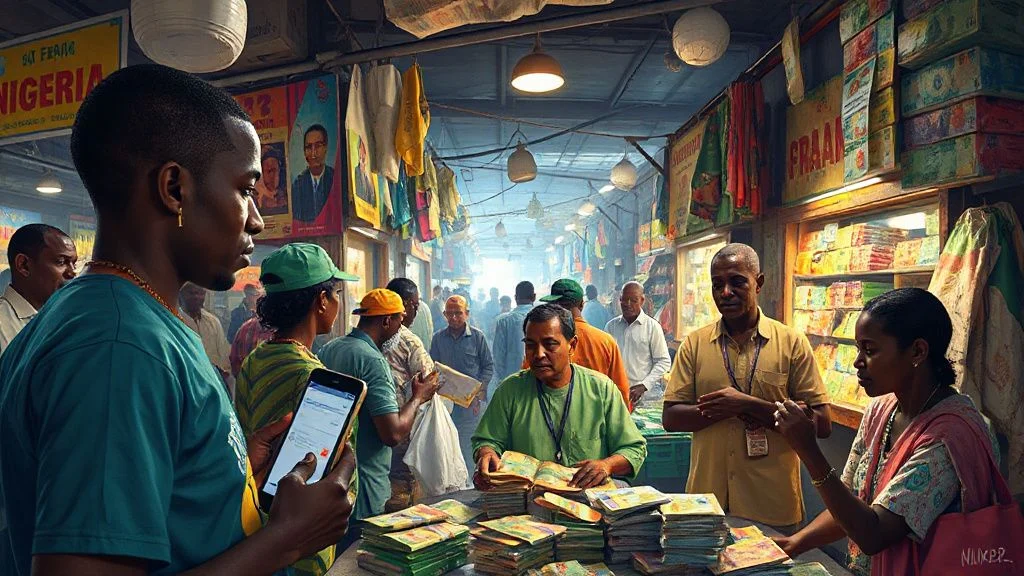
As Nigeria's economy continues to evolve, understanding the dynamics of currency exchange rates is crucial for expatriates and returning Nigerians. This article delves into the differences between the official window rate and street quotes, how they affect daily transactions, and when these rates are typically due. By the end of this article, you will have a clearer understanding of how to navigate currency exchange in Nigeria.
What can we help you with?
Three short questions, then just how to reach you. No account needed.
What Are Official Window Rates and Street Quotes?
The official window rate refers to the exchange rate set by the Central Bank of Nigeria (CBN) for transactions involving foreign currencies. This rate is typically used for official transactions, such as government dealings, international trade, and some banking operations. As of 1 USD = 1353.97 NGN, this rate is subject to fluctuations based on market conditions and government policies.
On the other hand, street quotes refer to the rates available in the parallel or black market. These rates are often higher than the official rates due to demand and supply dynamics, inflation, and economic instability. For instance, as of a recent report, street quotes for the naira have been observed to be significantly higher than the official rates, making it essential for expatriates and returning Nigerians to understand the implications of these differences.
The Importance of Understanding the Difference
For expatriates and returning Nigerians, knowing the difference between these two rates can significantly impact budgeting and financial planning. When making transactions, whether for housing, groceries, or other expenses, the rate at which you exchange your currency can lead to substantial differences in costs. For example, if you exchange USD at the official rate for a housing deposit, you may find that the amount you receive in naira is insufficient compared to what you would get on the street market.
Moreover, understanding these rates can help expatriates make informed decisions about when to exchange their money. If the street quote is significantly higher than the official rate, it may be worth waiting for a more favorable exchange rate before making a transaction.
When Are Official Rates Typically Announced?
The Central Bank publishes an official rate daily, and the word to be careful with is announces, because it suggests a rate being set. It is not.
One structural point explains most of what follows, and it is often described the wrong way round. Nigeria no longer runs separate foreign exchange windows with different rates. In its own account of the reform, the Central Bank adopted the WILLING BUYER, WILLING SELLER model in June 2023, and that step ENDED FX MARKET SEGMENTATION: the segments were collapsed into the Investors' and Exporters' window, which was later renamed the NIGERIAN FOREIGN EXCHANGE MARKET, the NFEM. In November 2024 the Bank issued the guidelines for an electronic foreign exchange matching system and approved an interbank platform to run it. Note that the Bank's own pages give more than one date for the stages of this reform, so treat 2023 as the year of unification rather than fixing on a single day.
The consequence is that the official rate is MARKET-DETERMINED rather than set by decree. What the Bank publishes each day is a reference drawn from what was actually traded, not a tariff it has fixed, which is also why the gap with street quotes has narrowed considerably compared with the years of segmentation.
For you that has a practical consequence: the published figure is a reference for a day that has largely already traded, so it tells you where the market is rather than what you will be given. The rate you actually receive is your bank's on the day you transact, and it will differ from the published reference. Check it on the day rather than relying on a figure from a guide, including the dated one quoted in this article.
For expatriates and returning Nigerians, it is advisable to check the CBN's official website or reliable financial news sources for the most current rates. This practice ensures that you are aware of the latest official rates before making any currency exchanges or financial transactions.
Understanding the Timing of Street Quotes
Street quotes, however, do not have a fixed schedule. They are influenced by real-time market conditions and can fluctuate significantly throughout the day. This volatility means that expatriates and returning Nigerians need to be vigilant and proactive in monitoring these rates. Engaging with local currency exchange providers or using mobile apps that track street rates can provide valuable insights into the best times to exchange currency.
Additionally, expatriates should be aware of the potential risks associated with using street quotes. While they may offer better rates, the lack of regulation in the parallel market can lead to scams or unfavorable transaction conditions. It is advisable to conduct transactions with reputable exchange providers to mitigate these risks.
Practical Implications for Expatriates
For expatriates living in Nigeria, understanding the timing and implications of official window rates versus street quotes is essential for effective financial management. Here are some practical tips to consider:
- Monitor Exchange Rates Regularly: Use financial news websites, mobile apps, or local currency exchange services to keep track of both official and street rates. This information will help you make informed decisions about when to exchange your money.
- Plan Your Transactions: If you know that you will need to make a significant purchase, such as paying rent or buying a car, plan ahead. Monitor the rates leading up to your transaction date to ensure you get the best possible rate.
- Consider Currency Exchange Fees: When exchanging currency, be aware of any fees that may apply. These fees can vary significantly between banks and street vendors, so it's crucial to factor them into your calculations.
- Use Local Banks for Large Transactions: For larger transactions, it is often safer and more reliable to use local banks that adhere to official rates. This approach minimizes the risks associated with street transactions.
Hidden Costs to Watch Out For
Expatriates often overlook hidden costs when budgeting for their time in Nigeria. These can include:
- Import Duties: If you plan to bring personal items into Nigeria, be prepared for potential import duties. These fees can add up quickly and should be factored into your overall budget.
- Deposit Norms: When renting a property, landlords may require a deposit that is equivalent to several months' rent. Understanding these norms can help you prepare financially.
- Currency Exchange Fees: Whether you are exchanging money at a bank or a street vendor, always inquire about any additional fees that may apply. These can significantly affect the amount of naira you receive.
Long-Term Planning in a Volatile Currency Environment
Nigeria's currency situation has been characterized by volatility since the naira was floated in June 2023. This unpredictability can pose challenges for expatriates and returning Nigerians looking to establish long-term financial plans. Here are some strategies to consider:
- Diversify Your Currency Holdings: If possible, consider holding multiple currencies. This strategy can provide a buffer against fluctuations in the naira's value and offer more flexibility in transactions.
- Establish a Budget in Naira: When planning your expenses, create a budget in naira rather than relying solely on USD. This approach helps you better understand your purchasing power in the local economy.
- Stay Informed About Economic Policies: Keep an eye on government policies regarding currency exchange and economic stability. Changes in regulations can impact exchange rates and your financial planning.
Engaging with Financial Advisors
For expatriates unfamiliar with Nigeria's economic landscape, consulting with a financial advisor can provide valuable insights. These professionals can help you navigate the complexities of currency exchange, investment opportunities, and long-term financial planning.
Additionally, they can assist in developing a tailored financial strategy that aligns with your goals and circumstances, ensuring that you make the most of your time in Nigeria.
Conclusion
Understanding the differences between official window rates and street quotes is essential for expatriates and returning Nigerians navigating Nigeria's financial landscape. By monitoring exchange rates, planning transactions, and being aware of hidden costs, you can make informed financial decisions. Additionally, considering long-term strategies in a volatile currency environment will help you manage your finances effectively. Stay informed, and don't hesitate to seek professional advice to ensure a smooth financial experience in Nigeria.
