
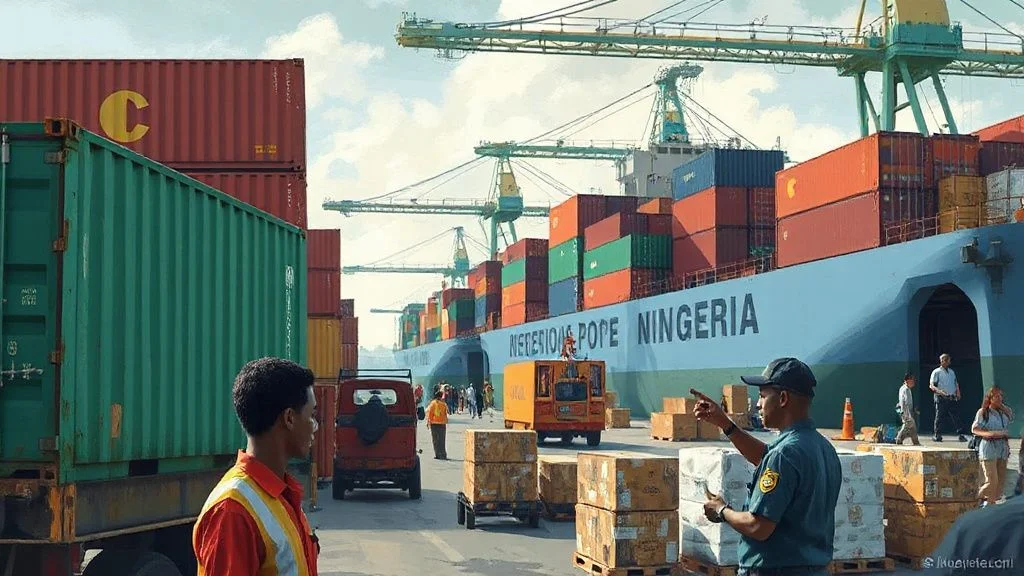
When relocating to Nigeria, particularly in bustling cities like Lagos or Abuja, understanding the customs clearance process for your personal effects is crucial. This article will provide a comprehensive overview of the costs associated with customs clearance, the necessary documentation, and practical advice for expatriates and returning Nigerians. By the end, you will have a clear understanding of what to expect when shipping your belongings to Nigeria.
What can we help you with?
Three short questions, then just how to reach you. No account needed.
Overview of Customs Clearance in Nigeria
Customs clearance is a mandatory process that involves the inspection and approval of goods entering Nigeria. For personal effects, this process is generally less complex than for commercial shipments, but it still requires careful attention to detail. The Nigeria Customs Service (NCS) oversees this process, ensuring that all imported goods comply with national regulations.
Typically, customs clearance for personal effects can take anywhere from a few days to several weeks, depending on the completeness of your documentation and the efficiency of the customs office. Understanding the associated costs is essential for budgeting your move and avoiding unexpected expenses.
Key Costs Involved in Customs Clearance
The costs associated with customs clearance for personal effects can vary based on several factors, including the value of the goods, the type of items being imported, and the specific fees charged by customs and other agencies. Below are the primary costs you should anticipate:
1. Documentation Fees
Before your personal effects can clear customs, you will need to prepare several documents. The primary document is the Form M, which is an import declaration form that must be processed through a Nigerian bank. The fee for processing Form M is typically around £20 (2026-10-06) (source: Two UK forwarders' published cargo price lists to Nigeria, measured 2026-10-06).
In addition to the Form M, you may also require a Pre-Arrival Assessment Report (PAAR), which is generated by the Nigeria Customs Service. This report is crucial for determining the applicable duties and taxes on your shipment. While the PAAR itself does not have a specific fee, it is essential to ensure that your Form M is accurately filled out to avoid additional costs.
2. Customs Examination Fees
Once your documents are submitted, customs may conduct a physical examination of your goods. The fee for this examination is approximately NGN 1,400 (2026-10-06) per document (source: Nigerian Ports Authority, published port tariff, measured 2026-10-06). If your shipment includes multiple documents, this fee can add up quickly.
3. Port Handling Fees
Port handling fees are charged for the services provided by the port authority during the unloading and handling of your container. For a 20-foot container, the handling fee is approximately NGN 6,796 (2026-10-06) (source: Nigerian Ports Authority, published port tariff, measured 2026-10-06). For a 40-foot container, the fee increases to about NGN 11,648 (2026-10-06) (source: Nigerian Ports Authority, published port tariff, measured 2026-10-06).
4. Customs Duties and Taxes
Customs duties are calculated based on the value of your goods and their classification under the Harmonized System (HS) code. The duty rates can vary significantly depending on the type of items you are importing. For example, essential goods may attract a duty of around 5%, while luxury items could incur duties of 35% or more. In addition to customs duties, you may also be liable for Value Added Tax (VAT) at a rate of 7.5% and a CISS levy of 1% on certain goods.
The Nigeria Customs Service Board approved a de minimis threshold of $300 with effect from 8 September 2025: a consignment valued at $300 or less is released free of import duties and taxes, provided the goods are not prohibited or restricted. Read the condition that usually gets left out, because it is the one that catches people. The relief is capped at four importations per person or entity per year, so the fifth parcel is dutiable however small it is. It covers low-value imports, e-commerce consignments and passenger baggage, and eligible consignments are released without post-release documentation. Splitting one shipment into several invoices to stay under the line is invoice manipulation, and the penalties under the Nigeria Customs Service Act 2023 run to forfeiture and arrest.
5. Storage Fees
If your goods are not cleared within a specified timeframe, they may incur storage fees. The cost for storage in a shed is approximately NGN 6 (2026-10-06) per ton per day (source: Nigerian Ports Authority, published port tariff, measured 2026-10-06). Delays in customs clearance can lead to significant additional costs, so it is advisable to ensure that all documentation is accurate and complete to avoid unnecessary storage fees.
Essential Documentation for Customs Clearance
To facilitate a smooth customs clearance process, it is crucial to prepare the necessary documentation ahead of time. Here are the key documents you will need:
- Form M: This import declaration form must be processed through a Nigerian bank before your shipment arrives.
- Commercial Invoice: This document details the goods, their quantities, and values. It should match the information provided in the Form M.
- Packing List: This itemizes the contents of each package or container, providing customs with a clear overview of what is being imported.
- Bill of Lading: This shipping document serves as proof of shipment and identifies your cargo.
- SONCAP Certificate: Required for certain regulated products to confirm compliance with Nigerian standards.
- NAFDAC Permit: Necessary for importing food, drugs, cosmetics, and chemicals.
Practical Tips for Expats and Returning Nigerians
Successfully navigating the customs clearance process can save you time and money. Here are some practical tips to help you avoid common pitfalls:
1. Work with a Licensed Customs Agent
Engaging a licensed customs clearing agent can significantly streamline the customs clearance process. These professionals are familiar with the regulations and can help ensure that your documentation is complete and accurate. They can also represent you in dealings with the Nigeria Customs Service, reducing the likelihood of delays.
2. Double-Check Your Documentation
Incomplete or inaccurate documentation is one of the leading causes of customs delays. Before your shipment departs, review all documents to ensure they match and contain the correct information. Pay special attention to the values declared and the descriptions of your goods.
3. Be Transparent About Values
While it may be tempting to undervalue your goods to reduce customs duties, this practice can backfire. Customs officers are trained to identify undervalued shipments, and penalties for misrepresentation can be severe. Always declare the true value of your items to avoid complications.
4. Prepare for Inspections
Be aware that customs may conduct physical inspections of your goods. Ensure that your items are easily accessible and organized to facilitate a smooth inspection process. This can help expedite the clearance of your shipment.
Conclusion
Understanding the costs and requirements associated with customs clearance for personal effects in Nigeria is essential for a successful relocation. By preparing the necessary documentation, working with a licensed customs agent, and being transparent about the value of your goods, you can navigate the customs process more efficiently. Anticipating costs such as documentation fees, customs duties, and port handling fees will help you budget effectively for your move. With careful planning, you can ensure that your personal effects clear customs smoothly and arrive at your new home without unnecessary delays.