The Benue River is a significant waterway in Nigeria, flowing through diverse landscapes and supporting various ecosystems. This article delves into the river's geographical features, its ecological importance, and the socio-economic implications for the regions it traverses. Readers will gain a comprehensive understanding of the Benue River and its basin, which plays a crucial role in the lives of many Nigerians.
What can we help you with?
Three short questions, then just how to reach you. No account needed.
Geographical Overview of the Benue River
Source and Course
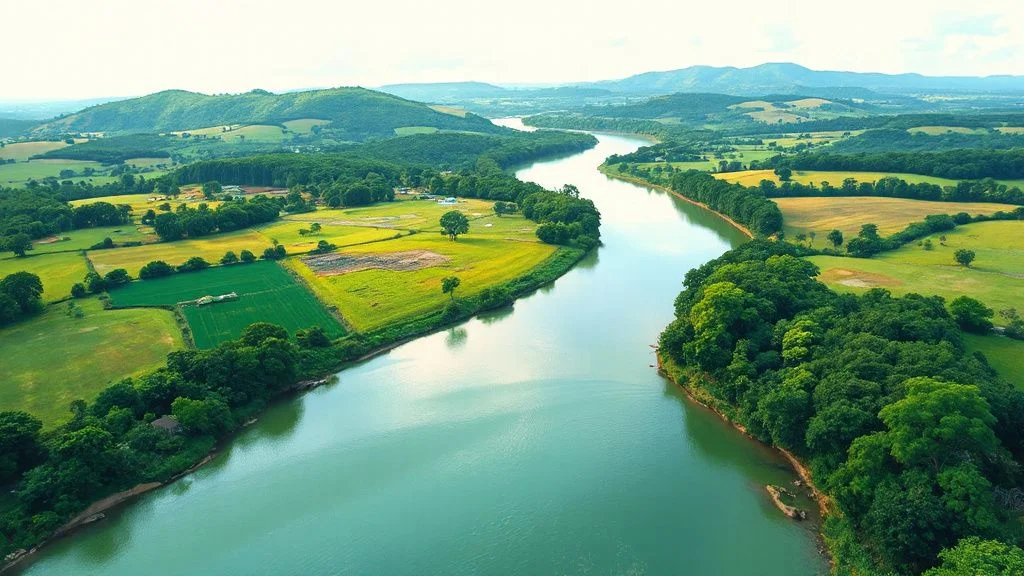
The Benue River originates in the Adamaoua Massif in northern Cameroon, flowing westward for approximately 1,400 kilometers before joining the Niger River at Lokoja, Nigeria. This confluence takes place about 450 kilometers upstream from the Niger Delta. The river's journey is marked by varied landscapes, including mountains, savannahs, and floodplains, which contribute to its rich biodiversity.
In terms of accessibility, the river provides vital transportation routes for local communities. While specific boat services may vary, the river is recognized as an important transportation route for trade and movement. It is important to consider seasonal variations, as the river's flow changes significantly between wet and dry seasons, with peak levels typically occurring during the rainy season.
Hydrology and Basin Characteristics
The Benue River basin covers a substantial area within Nigeria, contributing to the hydrology of the larger Niger River basin. Rainfall in the Benue basin varies significantly depending on the location. This rainfall supports diverse flora and fauna, including various fish species that inhabit its waters.
Flooding is a natural occurrence in the basin, particularly during the rainy season when rivers overflow their banks. These floods are crucial for replenishing soil nutrients, supporting agriculture in the surrounding regions. However, they can also lead to significant challenges, including displacement of communities and damage to infrastructure.
Ecological Significance of the Benue River Basin
Biodiversity and Ecosystems
The Benue River and its basin are home to a wide range of ecosystems, including tropical and subtropical floodplain rivers and wetland complexes. The river supports endemic fish species that are vital for the local fishing economy. Additionally, the floodplains are rich in aquatic vegetation, providing habitats for countless bird species and other wildlife.
As the river flows southward, the surrounding vegetation transitions, showcasing the region's ecological diversity. This transition impacts local agriculture, with different crops being cultivated depending on the soil and climate conditions present in various parts of the basin.
Environmental Challenges
Despite its ecological significance, the Benue River faces several environmental challenges, including pollution and habitat degradation. Agricultural runoff, urbanization, and industrial waste contribute to declining water quality, affecting both aquatic life and human communities relying on the river for drinking water and livelihoods.
Conservation efforts are essential to maintain the health of the river and its surrounding ecosystems. Local and national initiatives focus on sustainable agricultural practices, waste management, and habitat restoration to mitigate the impacts of human activity on the river basin.
Socio-Economic Impact of the Benue River
Economic Activities
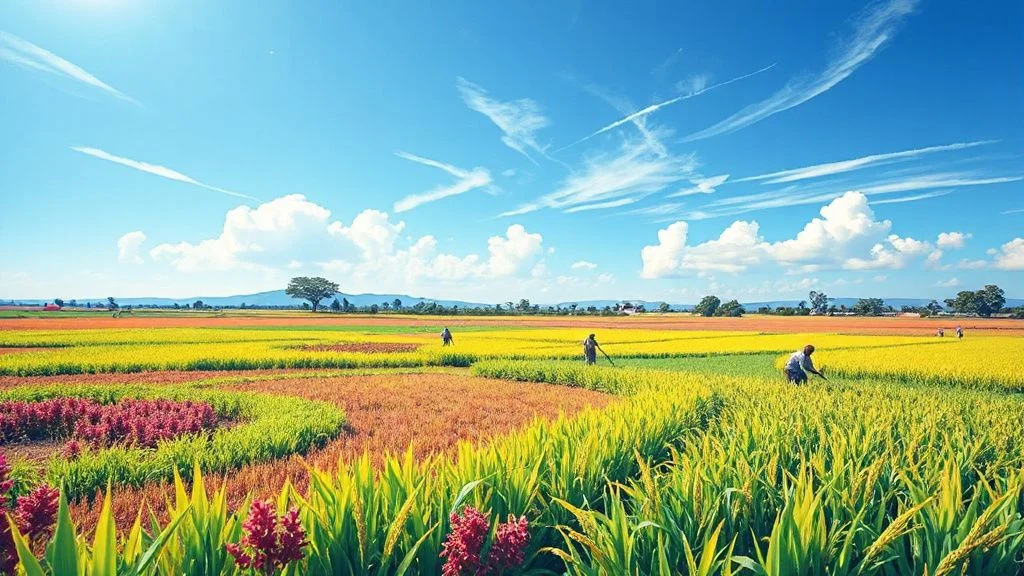
The Benue River is a lifeline for millions of people, providing water for domestic use, fishing, and irrigation. Local communities depend on the river for sustenance and economic activities. Fishing is a primary source of income for many, with various species caught and sold in local markets. The river also supports agriculture, with farmers using its waters for irrigation, particularly in the dry season.
Trade along the river is vital for regional economies, with goods transported between towns and cities. The river facilitates access to markets, enabling communities to sell agricultural products and crafts, bolstering local economies. Understanding the economic implications of the Benue River is crucial for expatriates and returning Nigerians looking to invest or establish businesses in the region.
Cultural Significance
The Benue River holds cultural importance for many ethnic groups in Nigeria. It is often featured in local folklore, traditions, and rituals, reflecting the deep connection between the river and the communities that inhabit its banks. Festivals celebrating the river's bounty and cultural heritage are common, exemplifying the integral role of the Benue in the lives of local people.
For expatriates and those returning to Nigeria, engaging with local culture and understanding the significance of the river can foster better relationships with communities and enhance the relocation experience.
What Expats Should Know
When relocating to Nigeria, particularly around the Benue River region, consider the following tips:
- Climate Awareness: Be prepared for the rainy season, which typically lasts for several months. During this period, flooding may occur, affecting transportation and infrastructure.
- Community Engagement: Participate in local events and festivals to better understand the culture and foster connections with residents.
- Water Safety: Always ensure water from the river is treated before consumption to avoid health risks associated with pollution.
- Investment Opportunities: Explore agricultural and fishing opportunities in the region, as they are significant economic drivers.
Conclusion
The Benue River is not just a geographical feature but a vital artery that sustains life and culture in Nigeria. Understanding its geography, ecology, and socio-economic significance can provide valuable insights for expatriates and returning Nigerians. As Nigeria continues to develop, the importance of the Benue River will persist, underscoring the need for sustainable management and conservation efforts to protect this essential resource.