In Nigeria, particularly in urban areas like Lagos and Abuja, the proper management of wastewater is crucial due to limited access to municipal sewage systems. This article will explain how septic tanks and drainage systems function, their importance, how they are installed, and essential maintenance practices. Understanding these aspects can help expatriates and returning Nigerians adapt to local living conditions while ensuring their homes are equipped with effective waste management solutions.
What can we help you with?
Three short questions, then just how to reach you. No account needed.
What is a Septic Tank?
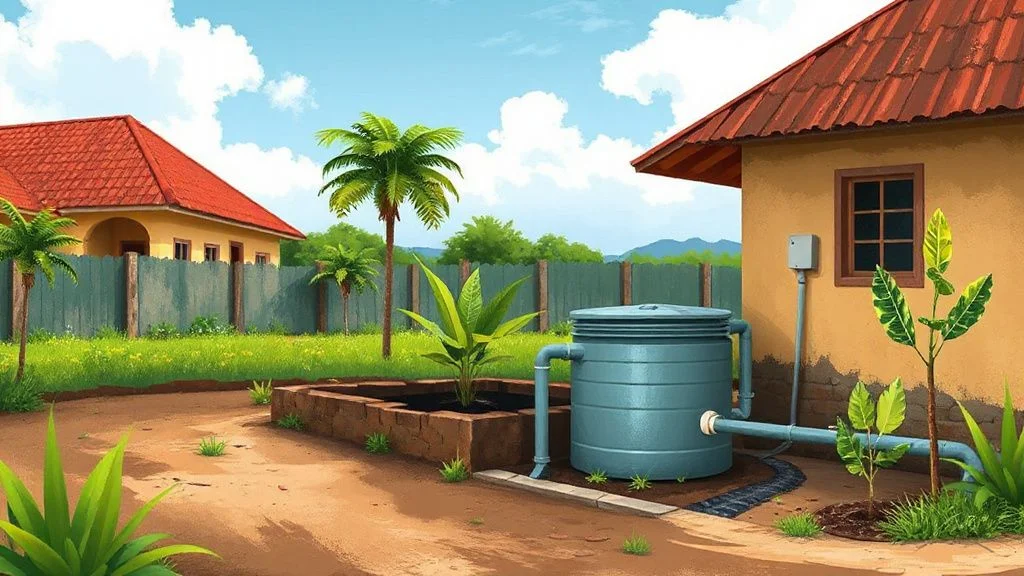
A septic tank is a key component of a decentralized wastewater treatment system. Typically made from concrete or concrete masonry, a septic tank collects wastewater from various sources within a home, including toilets, sinks, and washing machines. The tank is designed to separate solids from liquids, allowing for the safe disposal of effluent into the surrounding soil.
In Nigeria, septic tanks are often paired with soakaway pits, which allow treated wastewater to drain back into the earth. This system is particularly common in areas without municipal sewer connections, making it a practical solution for many households.
How Septic Tanks Work
When wastewater enters the septic tank, heavier solids settle at the bottom, forming sludge, while lighter materials, such as fats and oils, float to the top, creating a layer of scum. The anaerobic bacteria in the tank break down the organic matter over time, converting it into simpler compounds. This process reduces the volume of waste and prepares it for further treatment. The liquid effluent then flows out of the tank into the soakaway pit, where it is further filtered and treated by the soil.
Understanding this process is essential for homeowners, as it impacts the effectiveness and longevity of the septic system. Regular maintenance is necessary to prevent blockages and overflow, especially during heavy rains or periods of increased water usage.
Soakaway Pits: An Integral Part of the System
The soakaway pit is designed to absorb and disperse the effluent from the septic tank. Typically constructed with walls made of concrete blocks, the pit has a bottom filled with coarse aggregates like gravel to facilitate drainage. Natural soil beneath the gravel further filters the effluent, allowing it to percolate into the ground.
In areas like Lagos and Abuja, where the soil can vary greatly, the effectiveness of a soakaway pit depends on the soil’s absorption capacity. Sandy soils tend to drain well, while clay soils may lead to slower drainage and potential system failures. Homeowners should assess the soil type before installation, as this can impact the design and size of the soakaway pit.
Installation of Septic Tanks and Soakaway Pits
Installing a septic tank and soakaway system requires careful planning and professional expertise. Typically, the process begins with a site assessment to determine the best location based on factors such as soil type, proximity to water sources, and local regulations.
The installation involves excavating a hole for the septic tank and soakaway pit, constructing the tank, and connecting it to the household plumbing. It is essential to maintain proper distances from structures and water bodies to prevent contamination. After installation, the system should be inspected regularly to ensure it is functioning correctly.
Maintenance Tips for Expatriates and Returning Nigerians
Maintaining a septic system is crucial to avoid costly repairs and health hazards. Here are some practical maintenance tips:
- Pumping the Tank: Septic tanks should be pumped out every 3 to 5 years, depending on usage. This process removes accumulated sludge and scum, preventing system failure.
- Avoid Flushing Non-Biodegradables: Items like sanitary products, wipes, and plastics can clog the system. Only human waste and toilet paper should be disposed of in the toilet.
- Monitor Water Usage: Excessive water usage can overwhelm the system. Be mindful of water consumption, especially during heavy rain seasons.
- Regular Inspections: Schedule inspections with a licensed septic service provider to assess the system’s health and address any issues before they escalate.
- Educate Family Members: Ensure everyone in the household understands how the septic system works and the importance of proper waste disposal.
Common Issues and Troubleshooting
Septic systems can face several problems, particularly if maintenance is neglected. Common issues include:
- Odors: Foul smells around the tank or soakaway may indicate system failure or overflow. Prompt investigation is necessary.
- Slow Drains: If drains are slow or backing up, it may signal a clog in the pipes or a full tank that needs pumping.
- Excessive Greenery: If the area around the soakaway pit is unusually lush, it may indicate a leak or overflow from the system.
What Expats Should Know
For expatriates and returning Nigerians, adjusting to the realities of septic systems in Nigeria can be a learning curve. Here are some key points to consider:
- Understanding Local Practices: Familiarize yourself with how septic systems operate and the cultural practices surrounding waste management. This understanding will help in adapting to your new environment.
- Choosing the Right Neighborhood: When looking for housing, inquire about the drainage systems in the area. Some neighborhoods may have better infrastructure than others.
- Community Resources: Engage with local communities or expatriate groups for shared experiences and recommendations on reliable service providers for septic maintenance.
- Emergency Contacts: Keep a list of local septic service providers handy in case of emergencies. Knowing who to call can save time and prevent further issues.
Conclusion
Understanding septic tanks and drainage systems is essential for anyone relocating to Nigeria. These systems play a vital role in managing wastewater, particularly where municipal sewage systems are not available. By knowing how these systems work, how to maintain them, and what to expect, expatriates can ensure their homes remain safe and functional. Proper care and attention to septic systems can lead to a more comfortable living experience in Nigeria.
Primary Sources
Last updated: October 2026