Nigeria is a vibrant country where religion plays a pivotal role in daily life. With diverse faiths coexisting, newcomers to Nigeria—whether expatriates or returning Nigerians—may find themselves seeking a spiritual home. This article explores how to navigate Nigeria's religious landscape, connect with communities, and find a sense of belonging.
What can we help you with?
Three short questions, then just how to reach you. No account needed.
Understanding Nigeria's Religious Landscape
Nigeria's religious demographics are diverse, with Christianity and Islam being the two predominant faiths. Christianity is primarily found in the southern regions, while Islam is prevalent in the northern parts of the country. Additionally, traditional African religions are practiced, often alongside these major faiths, contributing to the rich tapestry of belief systems.
This blend of religious practices influences social life, cultural events, and community interactions, making it vital for newcomers to understand the local context.
Finding Religious Communities in Major Cities
Connecting in Lagos
Lagos, Nigeria's bustling commercial hub, is home to numerous religious communities. Expats can find churches and mosques in almost every neighborhood. The city offers a mix of vibrant congregations across different areas. To find a suitable place of worship, newcomers can explore online platforms or local social media groups dedicated to expatriates.
Many expatriates recommend visiting large congregations that often have English-speaking services. These churches not only provide spiritual nourishment but also serve as social hubs where newcomers can meet others and establish connections.
Exploring Religious Options in Abuja
In Abuja, the capital city, the religious landscape is equally diverse. There are significant landmarks that welcome both locals and visitors. Newcomers can also discover smaller congregations that cater to various denominations and interests. To find a community that resonates with them, newcomers might attend services at different places until they find a welcoming atmosphere.
Many churches and mosques in Abuja also host social events, workshops, and community service projects, providing excellent opportunities for newcomers to engage and get involved. These gatherings are often advertised through local flyers and online posts, making it easier to stay informed.
Embracing Cultural Nuances
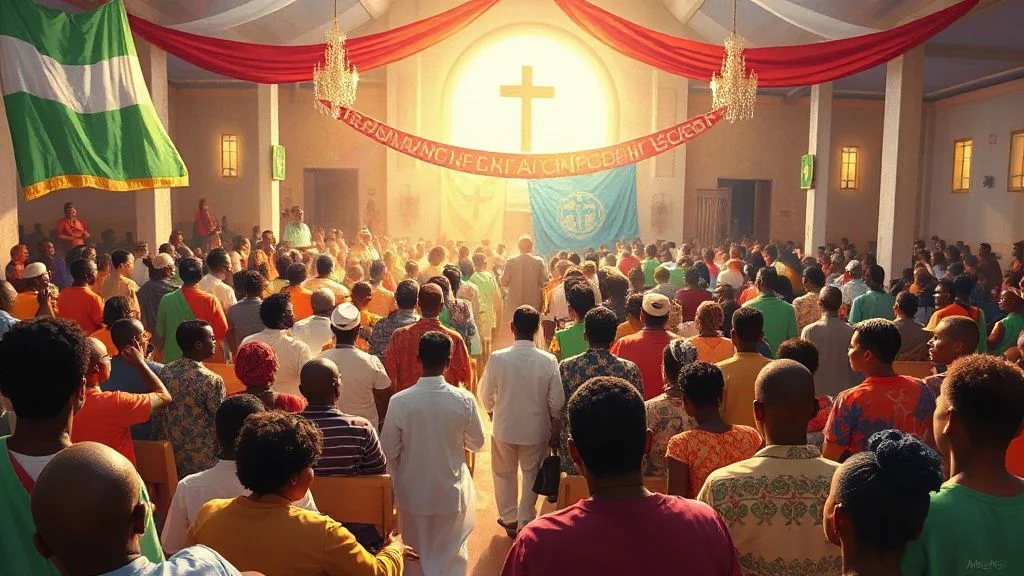
Adapting to the religious culture in Nigeria involves understanding local customs and practices. For instance, in many mosques, it is customary to remove shoes before entering. Similarly, in Christian settings, newcomers may encounter lively worship styles, including singing, dancing, and communal prayers. Participating respectfully in these practices can foster a sense of belonging and acceptance.
Language can also be a barrier. While many Nigerians speak English, especially in urban areas, local dialects and expressions are prevalent. Learning a few basic phrases in Yoruba, Hausa, or Igbo, depending on the region, can significantly enhance interactions within religious communities. Many congregations appreciate efforts to engage in local language, further bridging cultural gaps.
Building Relationships within Communities
Once newcomers identify a religious community that resonates with them, building relationships is crucial. Attending weekly services is a great starting point, but participating in small group activities, study sessions, or community outreach programs can deepen connections. Many churches and mosques encourage fellowship through events such as potlucks, charity drives, and youth programs, making it easier for newcomers to integrate.
Additionally, many religious leaders are open to meeting with newcomers to discuss their beliefs, community activities, and how they can get involved. Expats often share their experiences of feeling welcomed and supported through these interactions, which can lead to lasting friendships.
Leveraging Online Resources and Social Media
In today's digital age, online platforms are invaluable for newcomers seeking to connect with religious communities. Websites and social media groups dedicated to expatriates in Nigeria often feature discussions about local churches and mosques, upcoming events, and personal experiences. These platforms can provide insights into which communities are particularly welcoming to newcomers.
Moreover, apps that cater to religious practices, such as prayer times, Bible studies, or Quran recitation, are commonly used among the religious population in Nigeria. These resources can be beneficial for newcomers aiming to maintain their spiritual practices while exploring new communities.
Practical Tips for Newcomers
To help newcomers navigate Nigeria's religious scene, here are some actionable tips:
- Research before you arrive: Look into major religious communities in your area, including their schedules and services. Many have websites or social media pages with up-to-date information.
- Attend multiple services: Don’t hesitate to visit various places of worship to find where you feel most comfortable and welcomed.
- Engage with locals: Building friendships with local members can enrich your experience and provide deeper insights into the community’s customs and practices.
- Participate actively: Get involved in community activities, volunteer opportunities, or social events to foster deeper connections.
- Be open and respectful: Embrace the diversity of beliefs and practices you encounter, and approach differences with curiosity and respect.
Conclusion
Navigating the religious communities in Nigeria can be a fulfilling journey for newcomers. By understanding the diverse landscape, actively participating in local congregations, and fostering relationships, expatriates and returning Nigerians can find a spiritual home in this dynamic country. With an open heart and willingness to engage, newcomers can truly become part of the rich cultural and spiritual fabric of Nigeria.
Primary Sources
Last updated: October 2026