As Nigeria continues to navigate the complexities of its economy, the recent naira redesign and subsequent cash scarcity have become critical topics for expatriates and returning Nigerians. Understanding these changes is essential for new arrivals who need to adapt quickly to the financial landscape. This article delves into the implications of the naira redesign, the resulting cash scarcity, and practical lessons for newcomers in Nigeria.
What can we help you with?
Three short questions, then just how to reach you. No account needed.
The Naira Redesign: Overview and Objectives
In late 2022, the Central Bank of Nigeria (CBN) announced a redesign of the naira, specifically targeting the 200, 500, and 1000 naira denominations. The primary objectives of this policy included reducing the amount of cash outside the formal banking system, combating counterfeiting, and promoting a cashless economy. The Central Bank put the share of cash held outside the banking system at well over three quarters when it announced the redesign, and gave that as one of its reasons for the policy.
However, the implementation of this policy faced significant challenges. The transition to new banknotes was slow, leading to a cash crunch that affected millions of Nigerians. Many people found themselves unable to access their funds, as the infrastructure for cashless transactions struggled to keep pace with demand. This situation serves as a cautionary tale for newcomers, highlighting the importance of understanding the local financial systems and preparing for potential disruptions.
Cash Scarcity: Impacts on Daily Life
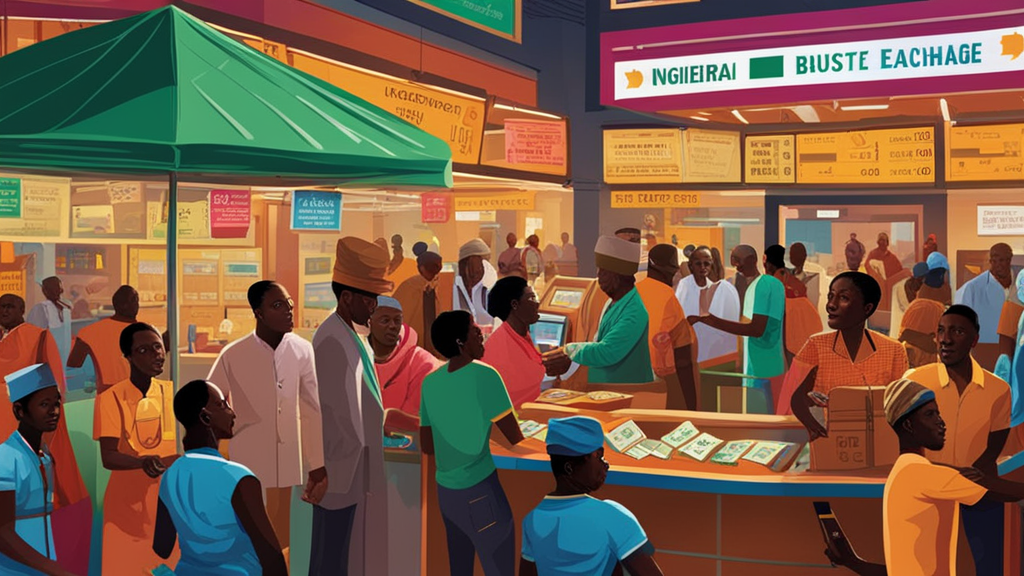
The cash scarcity that followed the naira redesign had immediate and far-reaching effects on daily life in Nigeria. Many businesses, particularly those in the informal sector, rely heavily on cash transactions. As cash became increasingly difficult to obtain, many small and medium-sized enterprises (SMEs) faced significant challenges. For instance, street vendors and local markets, which typically operate on cash, saw a sharp decline in sales as customers struggled to access physical currency.
Moreover, the cash crunch led to increased withdrawal fees at Point of Sale (PoS) terminals, as operators sought to compensate for their losses. This situation created a ripple effect, with many consumers facing higher costs for everyday transactions. For new arrivals, this means budgeting for additional expenses related to cash transactions, including potential fees for electronic payments and cash withdrawals.
Lessons for New Arrivals: Navigating the Financial Landscape
1. Understand the Cashless Economy
As Nigeria pushes towards a cashless economy, it is essential for newcomers to familiarize themselves with available digital payment options. Mobile banking apps, online transfers, and digital wallets have gained popularity, providing alternatives to cash transactions. For example, many businesses now accept payments via popular mobile banking platforms, which can help mitigate the challenges posed by cash scarcity.
New arrivals should consider setting up accounts with local banks that offer robust digital banking services. This will enable them to conduct transactions more efficiently and avoid the pitfalls of cash shortages. Additionally, understanding the fees associated with these services is crucial, as they can vary significantly between banks.
2. Budget for Hidden Costs
When relocating to Nigeria, it is vital to account for hidden costs that may arise due to the cash scarcity and naira redesign. For instance, many expatriates may not anticipate the increased fees associated with cash withdrawals or electronic transactions. It is advisable to set aside a portion of your budget specifically for these expenses, as they can add up quickly.
Furthermore, consider the impact of inflation on your overall cost of living. Inflation in Nigeria has been influenced by the redesign, pushing up prices for goods and services. New arrivals should remain vigilant about price changes and adjust their budgets accordingly.
3. Build a Network of Local Contacts
Establishing connections with locals can provide invaluable insights into navigating the financial landscape in Nigeria. Local contacts can offer recommendations for reliable banks, payment platforms, and strategies for managing cash flow during times of scarcity. Engaging with expatriate communities can also provide support and information on best practices for financial management in Nigeria.
Additionally, consider joining online forums or social media groups focused on expatriate life in Nigeria. These platforms can serve as a resource for sharing experiences and advice on navigating the challenges posed by the naira redesign and cash scarcity.
What Expats Should Know About Currency Volatility
The volatility of the naira is another critical factor for new arrivals to consider. Since the currency was floated in June 2023, its value has fluctuated significantly, impacting purchasing power and financial planning. The rate quoted in the footnote below this article is the Central Bank's own figure on the date stated; take the current rate from the Bank rather than from an article, because the naira moves. This means that budgeting in USD can help expatriates gauge their expenses more effectively.
It is advisable to monitor exchange rates regularly and consider using currency exchange services that offer competitive rates. Additionally, be aware of potential fees associated with currency conversion, as these can vary widely between service providers. Keeping a close eye on currency trends can help expatriates make informed decisions about when to convert funds or make significant purchases.
Conclusion: Preparing for Financial Challenges in Nigeria
The naira redesign and subsequent cash scarcity present unique challenges for new arrivals in Nigeria. By understanding the implications of these changes and adopting proactive financial strategies, expatriates can navigate the local economy more effectively. Familiarizing themselves with cashless payment options, budgeting for hidden costs, building local networks, and staying informed about currency volatility will empower newcomers to thrive in Nigeria's dynamic financial landscape.
As the country continues to evolve, staying adaptable and informed will be key to successfully managing financial challenges and enjoying the rich cultural experiences that Nigeria has to offer.
Exchange rate used in this article: 1 USD = 1330.8745 NGN (rate as of 2026-10-07T07:56:41.137029+00:00, source: Central Bank of Nigeria (CBN)).
Primary Sources
Last updated: October 2026