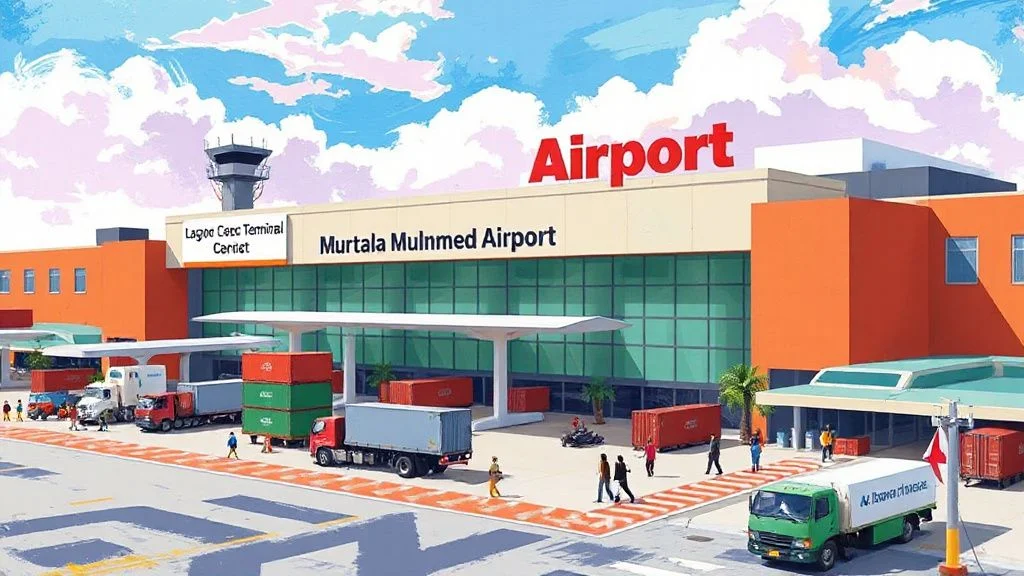
Relocating to Nigeria or managing logistics from abroad can be a daunting task, particularly when it comes to clearing cargo at Murtala Muhammed International Airport (MMIA) in Lagos. This guide provides a comprehensive overview of who collects your shipment, the necessary paperwork, and practical advice to ensure a smooth cargo clearance process.
What can we help you with?
Three short questions, then just how to reach you. No account needed.
Understanding the Cargo Clearance Process
The cargo clearance process at Murtala Muhammed Airport typically involves several key players, including customs officials, freight forwarders, and clearing agents. Understanding the roles of these stakeholders will help you navigate the complexities of the logistics landscape in Nigeria.
Who Collects Your Shipment?
When your cargo arrives at MMIA, it is essential to have a licensed customs clearing agent to facilitate the clearance process. These agents are professionals who specialize in handling customs documentation and procedures. They act on your behalf to ensure that your shipment is cleared efficiently and complies with Nigerian import regulations.
Freight forwarders also play a crucial role in the logistics chain, managing the transportation of goods from the point of origin to the final destination. While they focus on the movement of cargo, it is the customs clearing agent who will ultimately collect your shipment from the airport.
Importance of Using a Licensed Customs Clearing Agent
Using a licensed customs clearing agent is highly recommended for several reasons:
- Expertise: They are well-versed in the latest customs regulations and can help avoid potential pitfalls.
- Time Efficiency: A competent agent can expedite the clearance process, significantly reducing the time your cargo spends at the airport.
- Cost Management: They can help you avoid unexpected fees or penalties by ensuring that all paperwork is in order.
Required Documentation for Customs Clearance
To collect your shipment at Murtala Muhammed Airport, you will need to prepare and submit several essential documents. Here’s a detailed breakdown of each required document:
1. Bill of Lading (BL) or Air Waybill (AWB)
The Bill of Lading or Air Waybill is a critical shipping document that identifies your cargo. It serves as proof of the contract of carriage and provides details about the shipment, including the sender’s and recipient’s information, cargo description, and shipping instructions. Without this document, customs clearance cannot proceed.
2. Form M
Form M is a mandatory import declaration form that must be processed through your bank before the shipment arrives in Nigeria. This form includes details about the goods being imported and is essential for customs to determine the applicable duties and taxes. Ensure you complete this form accurately to avoid delays.
3. Pre-Arrival Assessment Report (PAAR)
The PAAR is issued by the Nigeria Customs Service and confirms the duty calculation for your goods. It is crucial to have this document ready as it will be required during the customs clearance process. Be sure to check the accuracy of the PAAR to ensure that it reflects the correct value of your shipment.
4. Customs Declaration Form (DTI Print)
The Customs Declaration Form, also known as DTI Print, is the official entry form submitted for clearance. This document must be prepared by your licensed customs clearing agent. It captures essential information about your shipment and is a key requirement for obtaining approval from customs.
5. Clearance Letter / Authorization Letter
This letter authorizes your customs clearing agent to act on your behalf during the clearance process. It is essential for ensuring that your agent has the legal right to collect and clear your shipment. Make sure this document is signed and dated appropriately.
6. Other Supporting Documents
Depending on the nature of your shipment, additional documents may be required. These can include:
- Commercial Invoice: Details the sale transaction and is necessary for calculating customs duties.
- Packing List: Provides a detailed inventory of the shipment's contents.
- Insurance Certificate: Proves that your cargo is insured during transit.
- SONCAP Certificate: Required for regulated imports to ensure compliance with safety standards.
Logistics and Practical Considerations
Understanding the logistics of cargo clearance at Murtala Muhammed Airport can significantly impact your experience. Here are some practical considerations to keep in mind:
1. Cargo Terminal Location
The cargo terminal at MMIA is situated within the airport premises, making it relatively accessible for customs clearing agents. However, it is advisable to discuss the exact location with your agent, especially if you are unfamiliar with the airport layout.
2. Customs Inspection
Be prepared for a customs inspection, which may occur before your cargo is cleared. Customs officials will examine your shipment to ensure that it complies with regulations and that all documents are in order. Having all the necessary paperwork readily available will facilitate this process.
3. Potential Delays
Delays in cargo clearance can occur due to various factors, including bureaucratic processes, customs inspections, or incomplete documentation. It is wise to factor in potential delays when planning your logistics. Engaging a reliable clearing agent who can manage these challenges is crucial.
4. Payment of Duties and Taxes
Once your shipment is cleared, you will need to pay any applicable duties and taxes. The exact amount will depend on the nature of your goods and their assessed value. Be prepared to make this payment promptly to avoid additional charges or penalties.
What Expats Should Know
For expatriates, navigating the cargo clearance process in Nigeria can present unique challenges. Here are some insider tips:
- Build Relationships: Establishing a good relationship with your customs clearing agent can lead to smoother transactions and valuable advice throughout the clearance process.
- Stay Informed: Keep up to date with the latest customs regulations and requirements, as these can change frequently. Resources like the Nigeria Customs Service website can be helpful.
- Utilize Technology: Consider using digital platforms to manage your logistics and documentation. Many clearing agents offer online services that can streamline the process.
Conclusion
Successfully clearing cargo at Murtala Muhammed Airport requires careful preparation and understanding of the necessary documentation and processes. By engaging a licensed customs clearing agent, you can navigate the challenges of cargo clearance more effectively. Remember to prepare all required documents in advance, stay informed about customs regulations, and be ready for potential delays. With the right approach, your experience at MMIA can be both efficient and stress-free.