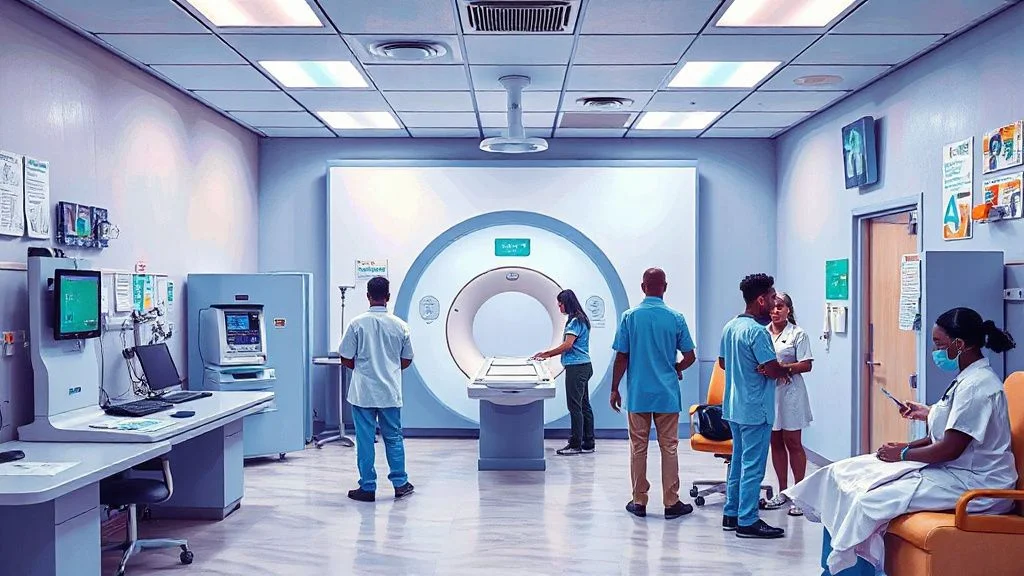
Nigeria is home to a growing healthcare sector, with laboratory and diagnostic imaging services becoming increasingly essential for both locals and expatriates. In bustling cities like Lagos and Abuja, a variety of facilities offer advanced diagnostic services for a range of medical conditions. This article provides an in-depth look at the types of services available, typical costs, and what expatriates should know when navigating the healthcare landscape in Nigeria.
What can we help you with?
Three short questions, then just how to reach you. No account needed.
Types of Laboratory Services
Clinical Laboratory Services
Clinical laboratory services in Nigeria encompass a wide range of tests that help in diagnosing various medical conditions. These include blood tests, urine analysis, and microbiological cultures. Facilities typically use modern equipment and adhere to international standards to ensure accurate results. Many laboratories are also accredited, such as those following the ISO 15189:2022 standard.
For expatriates, knowing where to find reliable clinical laboratories is crucial. In Lagos, there are several well-established facilities offering comprehensive testing services, while Abuja features a growing number of clinical labs. Generally, you can expect to pay around 20,000 NGN ($15) to 50,000 NGN ($37) for routine tests. It's advisable to check for any specific provider's accreditation and reviews before making a decision.
Molecular and Genetic Testing
Molecular and genetic testing has gained traction in Nigeria, especially in light of the COVID-19 pandemic. Facilities like Everight Diagnostics offer advanced molecular diagnostics, including PCR tests and genomic screening. This type of testing can identify genetic disorders and infectious diseases at a molecular level, providing crucial insights for treatment.
As of our last update, prices for molecular tests can range from 30,000 NGN ($22) to 100,000 NGN ($75) depending on the complexity of the test. Expatriates should inquire about the turnaround time for results, as this can vary significantly from one lab to another.
Diagnostic Imaging Services
Types of Imaging Services
Diagnostic imaging services are essential for visualizing various medical conditions and include X-rays, ultrasounds, CT scans, and MRIs. Facilities in Nigeria are increasingly investing in modern imaging technology, providing high-quality diagnostic services. For example, many hospitals and diagnostic centers in Lagos and Abuja now offer digital X-ray machines and advanced MRI technology.
Typically, the cost of an X-ray can start from around 10,000 NGN ($7.50), while a CT scan may range from 40,000 NGN ($30) to 100,000 NGN ($75). MRIs are generally more expensive, costing upwards of 80,000 NGN ($60), depending on the facility and specific tests required.
Choosing the Right Facility for Imaging
When selecting a diagnostic imaging center, expatriates should consider factors such as the facility's accreditation, the experience of the radiologists, and the technology used. Many reputable centers in Nigeria have partnerships with international organizations, ensuring they meet global standards.
As an example, Everight Diagnostics operates several centers across Nigeria, offering a comprehensive range of imaging services. They focus on precision and quality, which is essential for accurate diagnosis. When visiting such facilities, it's advisable to bring any necessary medical records or referrals from your physician to streamline the process.
Costs and Payment Options
Understanding Costs
Healthcare costs in Nigeria can vary widely based on the type of service, the facility, and location. In general, expatriates can expect to pay more for services in larger cities like Lagos and Abuja compared to rural areas. Understanding the typical costs can help you budget effectively for medical expenses.
For example, a complete blood count (CBC) test may cost around 15,000 NGN ($11.25), while more specialized tests could reach up to 60,000 NGN ($45). Imaging services, as previously mentioned, can be more costly, particularly for advanced scans like MRIs.
Payment Options
Most facilities in Nigeria accept various payment methods, including cash, credit/debit cards, and health insurance. However, it's important to verify whether your specific health insurance plan is accepted at the facility of your choice. Many expatriates find it beneficial to obtain health insurance that covers a wide range of diagnostic services to minimize out-of-pocket expenses.
Additionally, some laboratories and imaging centers offer package deals for multiple tests, which can be a cost-effective option for those requiring comprehensive health screenings.
Practical Tips for Expatriates
Preparing for Your Visit
Before visiting a laboratory or imaging center, it’s wise to prepare adequately. Ensure you have all necessary documents, including identification, referrals, and any prior medical records. This will facilitate a smoother process and help the medical professionals understand your health history better.
Moreover, consider calling ahead to confirm the services offered, the availability of specific tests, and the expected wait times. This can save both time and frustration, especially if you’re managing a busy schedule.
Cultural Considerations
Understanding cultural nuances can also enhance your experience in Nigerian healthcare facilities. For instance, it is common for healthcare professionals to engage in friendly conversation, which can help ease any anxiety you may have about tests or procedures. Being open and communicative with your healthcare provider can lead to better care and understanding of your needs.
Additionally, be prepared for possible delays; while many facilities strive for efficiency, the healthcare system in Nigeria can sometimes be affected by various external factors, including power outages. Familiarize yourself with the local customs and practices to navigate any challenges you may face.
Conclusion
Navigating laboratory and diagnostic imaging services in Nigeria can be a manageable process for expatriates when equipped with the right information. Understanding the types of services available, typical costs, and practical tips for your visits can make a significant difference in your healthcare experience. As you settle into life in Nigeria, remember to explore the various diagnostic options available, ensuring that your health and well-being are prioritized in your new environment.
Exchange rate used in this article: 1 USD = 1334.7233 NGN (rate as of 2026-10-22T04:40:21.543396+00:00, source: Central Bank of Nigeria (CBN)).