
This guide was synthesized using the latest legislative data and verified by our editorial board. Laws are subject to change; always consult official sources for final confirmation.
The comparison between Nigerian and Ghanaian jollof rice arises from a friendly rivalry rooted in cultural pride. Each country claims to have the superior version, with Nigerians emphasizing spiciness and Ghanaians highlighting aromatic qualities. This ongoing debate is fueled by social media and culinary traditions, making it a central topic in West African cuisine.
Jollof rice is more than just a dish; it's a cultural symbol that ignites passionate debates and friendly rivalries, particularly between Nigerians and Ghanaians. When you delve into the world of jollof, you'll find that the comparison between the two nations' versions of this beloved dish is inevitable. In this article, we'll explore the rich history of jollof rice, the reasons behind the ongoing competition, and practical tips for enjoying this iconic West African staple.
The Origin of Jollof Rice
Jollof rice's roots trace back to the Senegambia region, where the Wolof people are credited with creating the dish. Known as thieboudienne in Senegal, it is recognized by UNESCO as an essential part of Senegalese cuisine. Over time, jollof rice spread throughout West Africa, adapting to local tastes and culinary practices. Today, both Nigeria and Ghana lay claim to the title of the best jollof, each with their unique twist on the classic recipe.
Cultural Significance
In both Nigeria and Ghana, jollof rice is a staple at celebrations, parties, and family gatherings. Its vibrant colors and rich flavors make it a centerpiece on the dining table. For many Nigerians, no party is complete without jollof rice, often served alongside grilled meats, fried plantains, or salads. The dish typically includes a blend of tomatoes, onions, and peppers, seasoned with spices that differ from household to household.
In Ghana, jollof rice is equally celebrated, often accompanied by fried chicken or fish. The dish's significance transcends mere sustenance; it is a source of pride and cultural identity for both nations, contributing to the ongoing friendly rivalry.
The Jollof Wars: Nigeria vs. Ghana
The friendly rivalry between Nigeria and Ghana over who makes the best jollof rice is often referred to as the "Jollof Wars." This competition is fueled by social media, where memes and videos showcasing the superiority of one country's jollof over the other circulate widely. Typically, Nigerians argue that their jollof is spicier and more flavorful, while Ghanaians contend that their version is more aromatic and refined. The rivalry has even inspired music videos and diss tracks celebrating each country's culinary prowess.
Key Differences in Ingredients and Cooking Methods
While the core components of jollof rice remain consistent across both nations, the differences lie in the specifics. Nigerian jollof rice often uses long-grain parboiled rice, which absorbs flavors well and results in a slightly firmer texture. The cooking process usually involves frying a rich tomato sauce before adding the rice, leading to a smoky depth of flavor.
In contrast, Ghanaians typically use basmati rice, known for its aromatic qualities. The Ghanaian method may involve less spice than the Nigerian version, focusing instead on the rice's natural fragrance. Both cooking methods create delicious dishes, but the distinctive flavors and textures contribute to the ongoing debate over which is superior.
- Jollof rice originated from the Senegambia region, created by the Wolof people.
- The dish is a staple at celebrations in both Nigeria and Ghana, symbolizing cultural identity.
- The "Jollof Wars" reflect a friendly rivalry over which country makes the best version.
- Nigerian jollof typically uses long-grain parboiled rice, while Ghanaian jollof often uses basmati rice.
- Both versions feature distinct cooking methods that contribute to their unique flavors.
Where to Enjoy Jollof Rice in Nigeria
If you're in Nigeria and want to indulge in some authentic jollof rice, numerous restaurants and eateries serve this iconic dish. Many local restaurants, particularly in Lagos and Abuja, specialize in Nigerian cuisine, providing a variety of jollof rice options.
For instance, you can find jollof rice at upscale restaurants that offer modern takes on traditional dishes, as well as street vendors who serve it freshly cooked. Prices for a plate of jollof rice typically range from 1,000 NGN to 3,000 NGN (approximately $0.75 to $2.25), depending on the establishment and portion size.
Popular Dining Spots
- Local Eateries: Many local joints in bustling markets serve jollof rice at affordable prices. These spots often provide an authentic experience, allowing you to enjoy the dish in a lively atmosphere.
- Fine Dining: Upscale restaurants in urban areas often feature gourmet versions of jollof rice, sometimes served with international twists, like grilled lobster or chicken.
- Food Trucks and Street Vendors: In cities like Lagos, street vendors offer quick bites of jollof rice that are both delicious and affordable, usually served with fried plantains and grilled meats.
Shopping for Jollof Ingredients
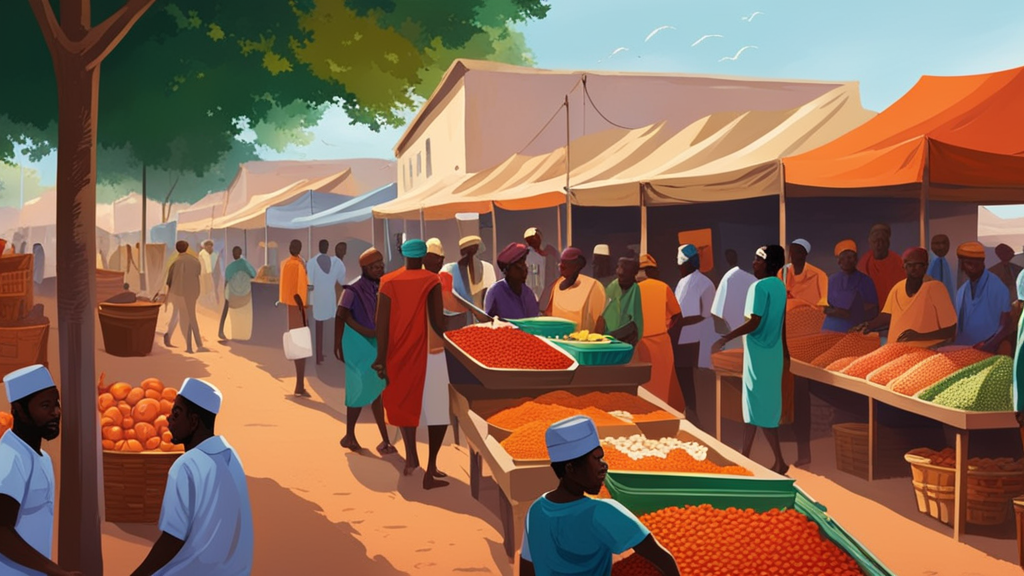
For those who want to try making jollof rice at home, sourcing the right ingredients is essential. Most of the components can be found at local markets or supermarkets. Key ingredients include:
- Rice: Long-grain parboiled rice is typical for Nigerian jollof, while basmati is preferred for Ghanaian versions.
- Tomatoes: Fresh tomatoes or tomato paste are vital for the base sauce. Look for ripe tomatoes in local markets for the best flavor.
- Spices: Common spices include thyme, curry powder, ginger, and garlic. These are typically available at grocery stores across Nigeria.
- Proteins: Whether you prefer chicken, beef, or fish, these can be purchased from local markets or supermarkets.
Delivery Options
In urban areas like Lagos and Abuja, several delivery services cater to food lovers. Many local restaurants offer delivery through popular apps, making it easy to enjoy jollof rice without leaving your home. Some grocery stores also provide online shopping options for ingredients, allowing you to stock up on everything you need for your jollof rice preparation.
Practical Tips for Expats
As an expatriate in Nigeria, navigating the culinary landscape can be both exciting and overwhelming. Here are some insider tips for enjoying jollof rice and the surrounding culture:
- Join Local Events: Attend food festivals or cultural events where jollof rice is featured. This is a great way to sample different styles and meet locals.
- Engage with Locals: Don’t hesitate to ask locals for their favorite jollof spots or recipes. Nigerians are often proud of their culinary heritage and happy to share tips.
- Experiment at Home: Try making jollof rice at home using local ingredients. This can be a fun way to explore the dish and share it with friends.
- Be Open-Minded: While you may have a preference for one country's jollof, be open to trying both Nigerian and Ghanaian versions. You may discover new flavors that you love.
In conclusion, the rivalry between Nigerian and Ghanaian jollof rice is a lighthearted yet passionate celebration of culture and culinary heritage. Regardless of which version you prefer, the essence of jollof rice lies in its ability to bring people together. Whether dining out or cooking at home, embracing the flavors and traditions of this iconic dish will undoubtedly enhance your experience in Nigeria.
AI-Generated Content: This article was created with AI assistance and may contain inaccuracies. Please verify important information with official sources.
Exchange rate used in this article: 1 USD = 1332.096 NGN (rate as of 2026-10-13T04:40:22.511112+00:00, source: Central Bank of Nigeria (CBN)).
Primary Sources
Last updated: October 2026