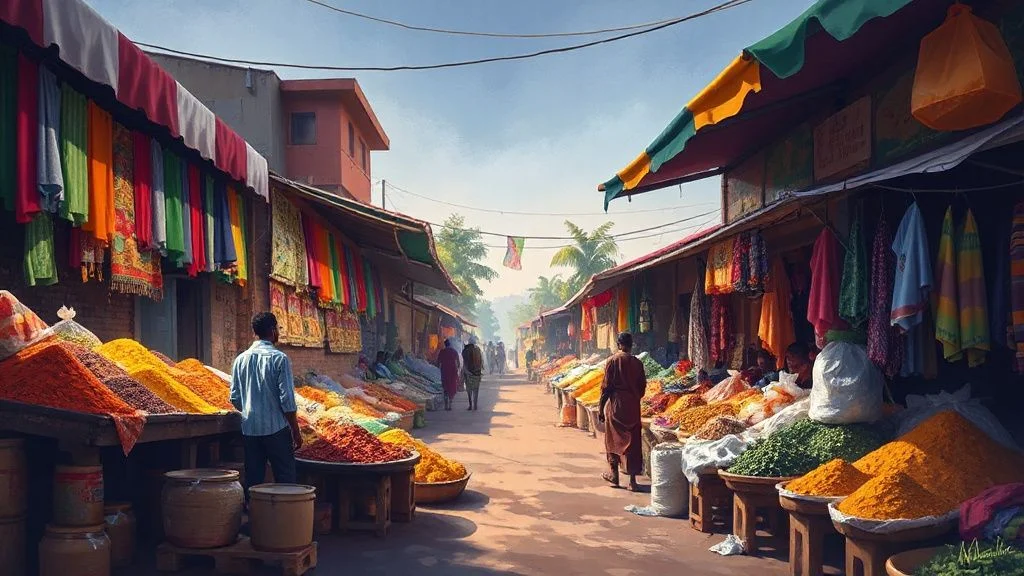
Nigeria, a vibrant and culturally rich nation, attracts expats for various reasons, including business opportunities, a growing tech scene, and a unique lifestyle. However, safety concerns often loom large in the minds of potential movers. This article provides an honest assessment of safety in Nigeria for expatriates in 2026, drawing on real experiences, statistical data, and practical advice to help you navigate life in this diverse country.
What can we help you with?
Three short questions, then just how to reach you. No account needed.
Understanding the Safety Landscape in Nigeria
Current Crime Rates and Security Challenges
As of 2026, crime rates in Nigeria exhibit a complex picture. While urban centers like Lagos and Abuja have areas that are relatively safe, they are also notorious for pickpocketing, petty theft, and occasional violent crime. Expats should remain vigilant and avoid displaying valuables in public.
In contrast, some neighborhoods, especially those frequented by expats, have a stronger security presence. For instance, areas like Victoria Island in Lagos and the central districts in Abuja are known for their relative safety, with gated communities and security personnel providing additional layers of protection. Expats typically form communities that prioritize safety, sharing tips on secure living.
Political Stability and Civil Unrest
Political unrest has historically plagued Nigeria, and while challenges remain, it is essential for expats to stay updated on local news and avoid areas known for protests or demonstrations. Social media platforms also serve as valuable tools for real-time updates on safety conditions.
For example, during elections or significant political events, it's wise to remain cautious and limit travel to essential outings. Expats often rely on local contacts or expat groups for timely information on which areas to avoid during such times.
Health and Emergency Services
Healthcare Access for Expats
Healthcare quality varies significantly across Nigeria. While some private hospitals in cities like Lagos and Abuja offer quality services, they may not match the standards found in other countries. Expats frequently recommend facilities for routine care and emergencies. A standard consultation can range from 25,000 to 60,000 NGN (approximately 18.74 to 44.92 USD), making private health insurance essential for expats.
In emergencies, expats often face challenges due to the country's limited ambulance services and response times. Many choose to maintain a relationship with private healthcare providers to ensure swift access to medical assistance. It’s advisable for expats to familiarize themselves with local emergency contacts and have a plan for quick evacuations if necessary.
Safety Tips for Daily Life
Living in Nigeria requires a blend of awareness and adaptability. Here are some practical safety tips for expats:
- Know Your Neighborhood: Familiarize yourself with your surroundings, including local customs and safe routes. Engaging with locals enhances your understanding of the area.
- Transportation Choices: Opt for reputable taxi services or ride-hailing apps. Public transport can be less reliable and may pose safety concerns.
- Emergency Plans: Establish contacts in your community and keep a list of emergency numbers readily accessible. Having a trusted local contact can be invaluable.
- Stay Informed: Regularly review news and local updates. Expat groups on social media platforms can provide insights and safety tips tailored to your specific location.
Adapting to Cultural Nuances
Building Relationships
Nigeria is home to a multitude of cultures and ethnicities, and understanding these nuances can significantly enhance your experience. Engaging with local communities fosters trust and safety. Expats often find that attending local events or cultural festivals provides opportunities to connect with Nigerians, breaking down barriers and enriching their understanding of the country.
Common cultural practices include greetings and expressions of respect, which are pivotal in establishing rapport. Learning a few phrases in local languages can also endear you to locals and demonstrate your willingness to adapt.
Connecting with the Expat Community
The expat community in Nigeria is vibrant and supportive. Many expats recommend joining social groups or networking events to build connections. These communities share invaluable insights on navigating life in Nigeria, from safety tips to local recommendations. Websites and social media platforms dedicated to expat life in Nigeria can help facilitate these connections.
Practical Tips for Living Safely in Nigeria
For a smoother transition to life in Nigeria, consider the following practical tips:
- Secure Housing: Choose accommodation in reputable neighborhoods with good security measures. Many expats opt for serviced apartments or gated communities.
- Private Transport: Avoid driving in congested areas if possible. Utilize ride-hailing services that are generally safer than traditional taxis.
- Health Insurance: Invest in comprehensive health insurance that includes evacuation coverage, as local healthcare facilities may not always meet international standards.
- Stay Alert: Cultivate a habit of awareness; avoid distractions like using your phone in crowded areas.
Conclusion
Nigeria presents a unique mix of opportunities and challenges for expats. While safety concerns are valid, with proper precautions and an understanding of the local landscape, many expats find fulfilling lives in Nigeria. By staying informed, building community connections, and respecting cultural nuances, you can navigate your expat experience successfully. Ultimately, living in Nigeria can be rewarding, offering a rich tapestry of culture, business, and adventure.
Primary Sources
Last updated: October 2026