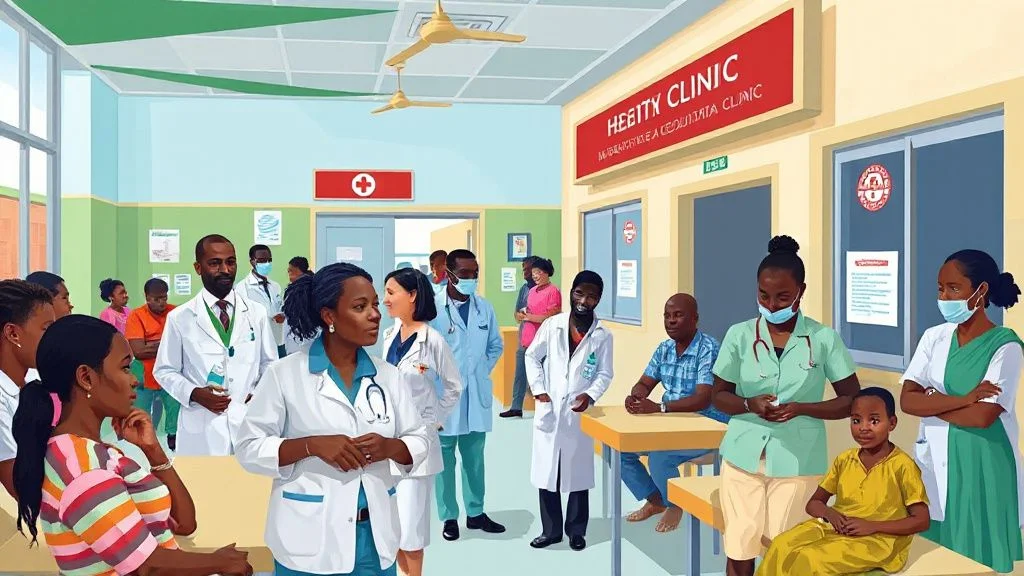
In Nigeria, navigating the healthcare system can be complex, especially for expatriates and returning Nigerians unfamiliar with local practices. One of the key components of efficient healthcare delivery is the referral system, which facilitates patient movement between primary care clinics and secondary or tertiary hospitals. This article will provide an in-depth understanding of how the referral system works in Nigeria, offering practical advice for those seeking medical care in cities like Lagos and Abuja.
What can we help you with?
Three short questions, then just how to reach you. No account needed.
What is the Referral System?
The referral system in Nigeria is designed to ensure that patients receive appropriate care based on the severity and complexity of their medical conditions. It typically operates in a two-way fashion, meaning that patients can be referred from clinics to hospitals and vice versa. This system is crucial for effective healthcare delivery, as it helps to streamline patient care and ensure that individuals receive the necessary medical attention.
Types of Referrals
Referrals in Nigeria can be categorized into two main types: direct and indirect referrals. A direct referral occurs when a primary care physician at a clinic identifies a patient's need for specialized treatment and refers them directly to a specialist in a hospital. This is often facilitated by a referral letter that outlines the patient's medical history and the reason for the referral.
Indirect referrals, on the other hand, may involve the patient being referred to another primary care provider or specialist within a network of healthcare facilities. This can occur when a clinic does not have the necessary resources or specialists available to treat a specific condition, prompting the patient to seek care elsewhere.
How the Referral Process Works
The referral process is designed to maintain a seamless flow of information and patient care. When a patient visits a clinic for an initial consultation, the healthcare provider will assess their condition and determine whether a referral to a hospital is necessary. If so, the provider will prepare a referral letter that details the patient's symptoms, medical history, and any preliminary tests or treatments that have been conducted.
Communication is Key
Effective communication between healthcare providers is essential in this process. The referring physician must ensure that the receiving hospital is aware of the patient's arrival and that there is a clear understanding of the patient's condition. In many cases, clinics and hospitals use electronic health records to share information quickly, which enhances the efficiency of the referral process.
Upon arriving at the hospital, the patient presents the referral letter to the hospital's registration desk. This document not only provides the hospital staff with background information about the patient but also establishes a continuity of care. The hospital team will review the referral and may conduct additional assessments before proceeding with treatment.
Challenges in the Referral System
While the referral system is designed to improve healthcare delivery, several challenges can hinder its effectiveness. One significant issue is the lack of awareness among patients about how the referral process works. Many individuals may not understand the importance of getting a referral before seeking specialized care, which can lead to delays in treatment and increased costs.
Moreover, the communication gap between clinics and hospitals can result in lost information or misdiagnosis. In some instances, patients may arrive at a hospital without any prior consultation or referral, which can complicate their treatment and lead to unnecessary delays.
Access to Specialized Care
Access to specialized care is another challenge within the referral system. In major cities like Lagos and Abuja, there may be a higher concentration of specialists; however, in rural areas, patients often struggle to find the necessary healthcare services. This disparity can lead to longer wait times for referrals and treatment, creating disparities in healthcare access.
Another complication arises from the financial aspect of healthcare in Nigeria. Patients may face high out-of-pocket expenses, especially when visiting private hospitals. It is essential for expatriates and returning Nigerians to understand the healthcare costs involved and budget accordingly.
Practical Tips for Utilizing the Referral System
For expatriates and returning Nigerians, navigating the referral system can be daunting. Here are some practical tips to ensure a smooth experience:
- Understand the Process: Familiarize yourself with how the referral system works in Nigeria. Knowing the steps involved and what to expect can alleviate stress during a medical emergency.
- Choose the Right Clinic: Select a reputable clinic for your initial consultation. Look for facilities with experienced healthcare providers who understand the referral process and can guide you through it.
- Ask Questions: Don’t hesitate to ask your healthcare provider about the necessity of a referral and what it entails. Understanding your condition and treatment options will empower you to make informed decisions.
- Keep Records: Maintain a file of all medical records, referral letters, and test results. Having this information readily available will facilitate communication between different healthcare providers.
- Follow Up: After receiving a referral, follow up with the hospital to ensure they have received your information. This proactive approach can help avoid delays in treatment.
Conclusion
The referral system in Nigeria plays a crucial role in ensuring patients receive the appropriate level of care. Understanding how this system operates can empower expatriates and returning Nigerians to navigate their healthcare needs effectively. By being informed and proactive, individuals can enhance their healthcare experience, ensuring that they receive timely and efficient treatment. Whether you are in Lagos, Abuja, or another city, knowing how to utilize the referral system can lead to improved health outcomes and greater peace of mind.