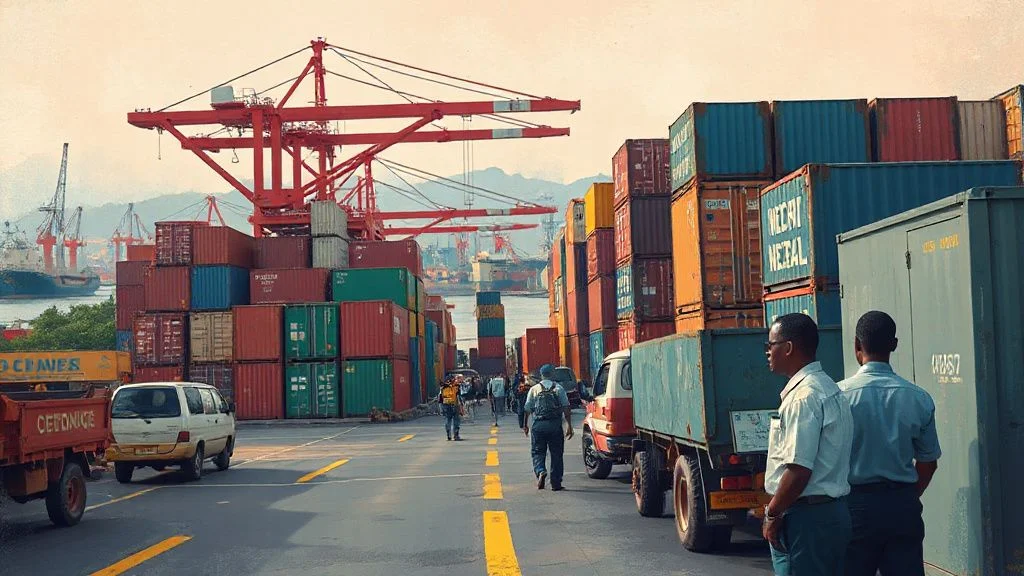
Understanding the waiting times at the Nigerian Customs Service (NCS) is crucial for expatriates and returning Nigerians alike. Whether you are importing goods or clearing personal effects, knowing what to expect can help you plan better and avoid unnecessary delays. This article delves into the typical waiting times, factors affecting these durations, and practical tips to streamline your experience with customs in Nigeria.
What can we help you with?
Three short questions, then just how to reach you. No account needed.
Overview of the Nigerian Customs Service
The Nigeria Customs Service is responsible for the collection of customs duties, facilitation of trade, and enforcement of trade regulations. Established in 1891, the NCS operates under the Federal Ministry of Finance and plays a critical role in Nigeria's economy. The agency is headquartered in Abuja and has various ports and border stations across the country.
When dealing with the NCS, it is essential to understand that the waiting times can vary significantly based on several factors, including the type of goods being imported, the volume of traffic at the port, and the efficiency of the documentation provided. Typically, the customs clearance process can take anywhere from a few hours to several days, depending on these variables.
Typical Waiting Times for Customs Clearance
No service standard is published for this, so the ranges of days that circulate are someone's experience rather than a commitment, and they vary by port. What exists instead is more important, because it runs against YOU rather than against the Service.
Under section 30(1) of the Nigeria Customs Service Act 2023, AN IMPORTED CONSIGNMENT MUST BE CLEARED WITHIN 30 DAYS OF DISCHARGE. Miss that and the goods are treated as OVERTIME CARGO; they can still be cleared within a further period of thirty days, but that requires the approval of the Customs Area Controller, and the status brings mounting storage and demurrage exposure with it. For a container of personal effects that is the deadline to plan around: not how fast the Service moves, but whether your paperwork and your agent are ready before the clock on your own consignment runs out.
Two faster figures are often quoted and neither is a standard you can rely on. A 48-HOUR clearance is a TARGET announced alongside the Service's One-Stop-Shop initiative, and the Presidential Enabling Business Environment Council is separately working to bring average cargo dwell time down from around twenty-one days to seven, with three or four days mentioned as possible once the National Single Window is fully in place. Those are reform objectives rather than entitlements. Treat them as the direction of travel and the thirty days as the rule.
Within that framework, here is what determines whether a particular consignment moves quickly or sits:
- Standard Shipments: For regular cargo, once all documentation is in order, clearance can typically be achieved within 24 to 48 hours.
- High-Value Goods: If you are importing high-value items or electronics, customs may take longer to process these shipments, often extending the wait to 72 hours or more.
- Personal Effects: Clearing personal effects can take longer, especially if the documentation is incomplete or if there are discrepancies. Expect a timeframe of 3 to 7 days on average.
- Specialized Goods: Items that require additional inspections, such as pharmaceuticals or agricultural products, may lead to extended waiting times, sometimes exceeding a week.
Factors Affecting Customs Waiting Times
Several factors can influence how long you might wait at the Nigerian Customs Service:
1. Documentation Completeness
One of the most significant factors affecting customs clearance times is the completeness and accuracy of your documentation. Essential documents typically include:
- Bill of Lading
- Commercial Invoice
- Import Permit (if applicable)
- Customs Declaration Form
If any of these documents are missing or incorrect, customs officials may hold your shipment for further verification, leading to delays. Always double-check your paperwork before submission to avoid unnecessary waiting.
2. Volume of Traffic
The volume of shipments being processed at the time of your arrival can also impact waiting times. During peak seasons, such as holidays or festive periods, customs offices may experience higher traffic, leading to longer processing times. If possible, plan your shipments during off-peak periods to minimize delays.
3. Customs Inspections
Customs may conduct random inspections on shipments to ensure compliance with regulations. If your shipment is selected for inspection, this can add additional days to your waiting time. Typically, inspections can take anywhere from a few hours to several days, depending on the nature of the goods and the volume of inspections being conducted.
4. Payment of Duties and Fees
Before your goods can be cleared, all applicable duties and fees must be paid. The Nigeria Customs Service has a structured tariff system, and the amount you owe will depend on the type of goods being imported. For instance, documentation fees can be around £20 (2026-10-06) (as of 2026-10-06, source: Two UK forwarders' published cargo price lists to Nigeria). Ensure you have sufficient funds ready to expedite this process.
Practical Tips for Expediting Customs Clearance
To minimize your waiting time at the Nigerian Customs Service, consider the following practical tips:
1. Prepare Your Documentation in Advance
Ensure that all required documents are prepared and verified before you arrive at customs. This includes having multiple copies of each document, as customs officials may request them. Additionally, consider consulting with a customs broker who can help you navigate the complexities of the process.
2. Use a Customs Broker
Engaging a licensed customs broker can significantly streamline the clearance process. Brokers are familiar with the regulations and can help ensure that all paperwork is correctly filled out and submitted. They can also communicate directly with customs officials on your behalf, which can save you time and reduce stress.
3. Track Your Shipment
Many shipping companies provide tracking services that allow you to monitor the status of your shipment. Keeping an eye on your shipment can help you anticipate any potential delays and prepare accordingly. If you notice any issues, you can address them proactively.
4. Be Patient and Polite
While it can be frustrating to wait, maintaining a polite demeanor with customs officials can go a long way. Building rapport can sometimes expedite the process, as officials may be more willing to assist someone who is respectful and understanding of their workload.
What Expats Should Know About Customs in Nigeria
For expatriates, navigating the customs process in Nigeria can be particularly challenging. Here are some additional insights to help you:
1. Understanding Customs Duties
Customs duties in Nigeria can vary widely based on the type of goods being imported. It is essential to familiarize yourself with the specific tariffs that apply to your items. The Nigeria Customs Service provides a tariff book that outlines these duties, which can be accessed online or at their offices.
2. Special Regulations for Personal Effects
If you are relocating to Nigeria and bringing personal effects, be aware that there are specific regulations governing what can and cannot be imported. Certain items, such as used clothing or electronics, may attract higher duties or may even be prohibited. Always check the latest regulations before shipping your belongings.
3. Be Aware of Scams
Unfortunately, customs-related scams can occur. Always ensure that you are dealing with official customs personnel and avoid paying any unofficial fees. If you are unsure, consult with a customs broker or legal advisor to verify the legitimacy of any requests.
Conclusion
Understanding the waiting times and processes at the Nigerian Customs Service is vital for a smooth experience when importing goods or relocating. By preparing your documentation, engaging a customs broker, and being aware of the factors that can affect waiting times, you can significantly reduce delays. Remember, patience and politeness can also play a crucial role in navigating the customs landscape in Nigeria. With the right preparation and mindset, you can ensure a more efficient customs experience.